

You can have a perfectly ordinary Tuesday in Japan, then open your phone and feel as if you have made a terrible mistake by moving here.
Someone is furious about paperwork. Someone else is lonely in a crowded city. A third person has just discovered that a simple task requires three forms, two phone calls, and a level of Japanese they do not yet have. By the time you finish scrolling, your own quiet evening feels suspiciously temporary.
I know that sensation. The internet can make a country look like a collection of its most exhausting moments. Your feed is not a census.
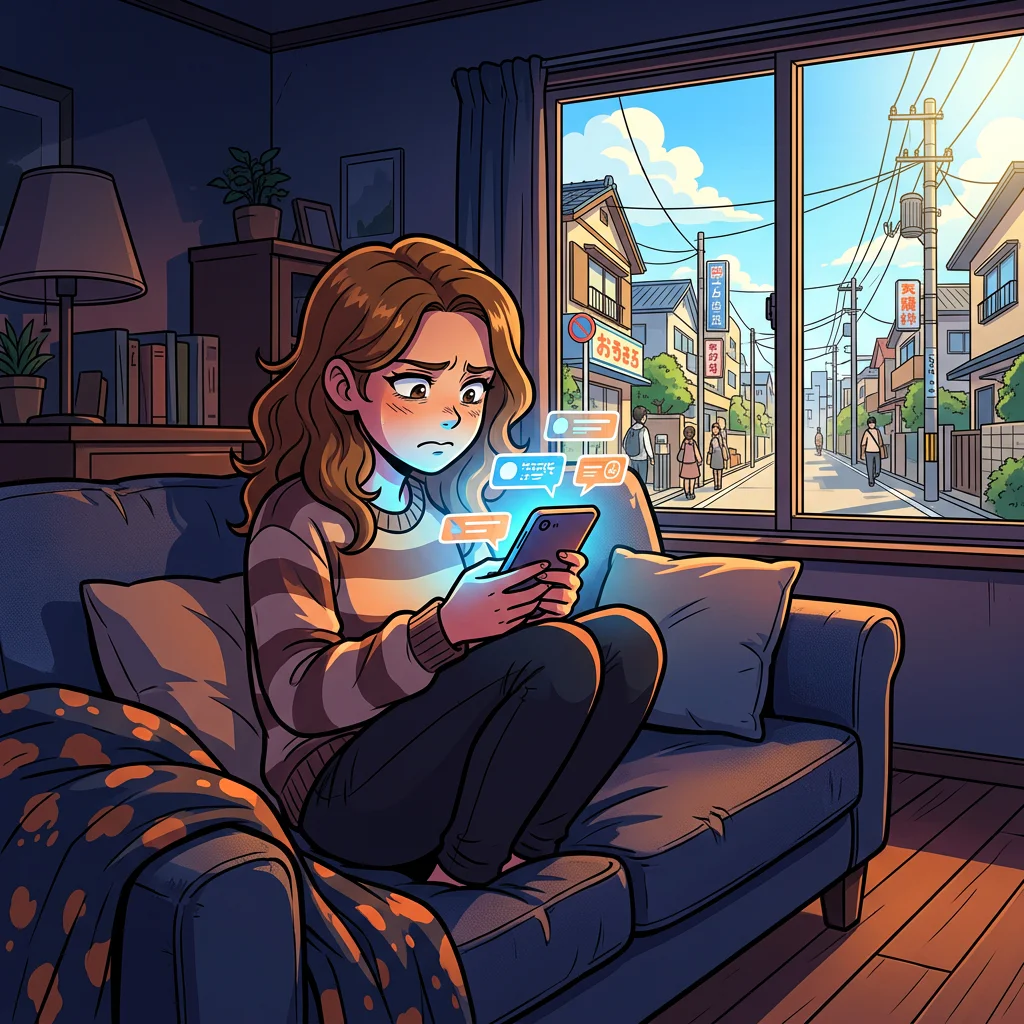
People rarely post because everything went smoothly. If the landlord renewed the contract without drama, the train arrived on time, and a coworker helped you find the right counter, there may be no reason to write a long public account of it.
But if a process was confusing, a conversation hurt, or a small problem became impossible to solve alone, sharing it can feel useful. Other people may recognize the situation. They may offer a translation, a workaround, or simply the relief of saying, "Yes, that happened to me too."
That makes these spaces valuable. They are often where hidden friction becomes visible. They are also naturally weighted toward moments that need attention, because smooth days do not ask for witnesses.
This is not unique to foreigners in Japan. Any group organized around a shared difficulty will hear more about problems than neutral afternoons. A support space is doing its job when people can bring their bad day there. The mistake is treating the collection of bad days as a balanced description of daily life.
There are two bad reactions to a negative story. You can dismiss it as exaggeration, or you can absorb it as a prediction of your own future. Neither response helps much.
Try asking what kind of information the story contains. Is it a warning about a process you should prepare for? A personal account of one workplace? A request for emotional support? A broad claim about an entire country based on a painful afternoon?
Those are different things. The first may change what you do tomorrow. The second may help you notice a question to ask during a job search. The third may deserve compassion without becoming your belief about every landlord, office, or neighbor you will meet.
I used to collect other people's frustrations as if preparation meant rehearsing every possible disappointment. It did not make me wiser. It made me arrive at ordinary interactions already braced for a fight. Caution is useful; permanent suspicion is expensive.
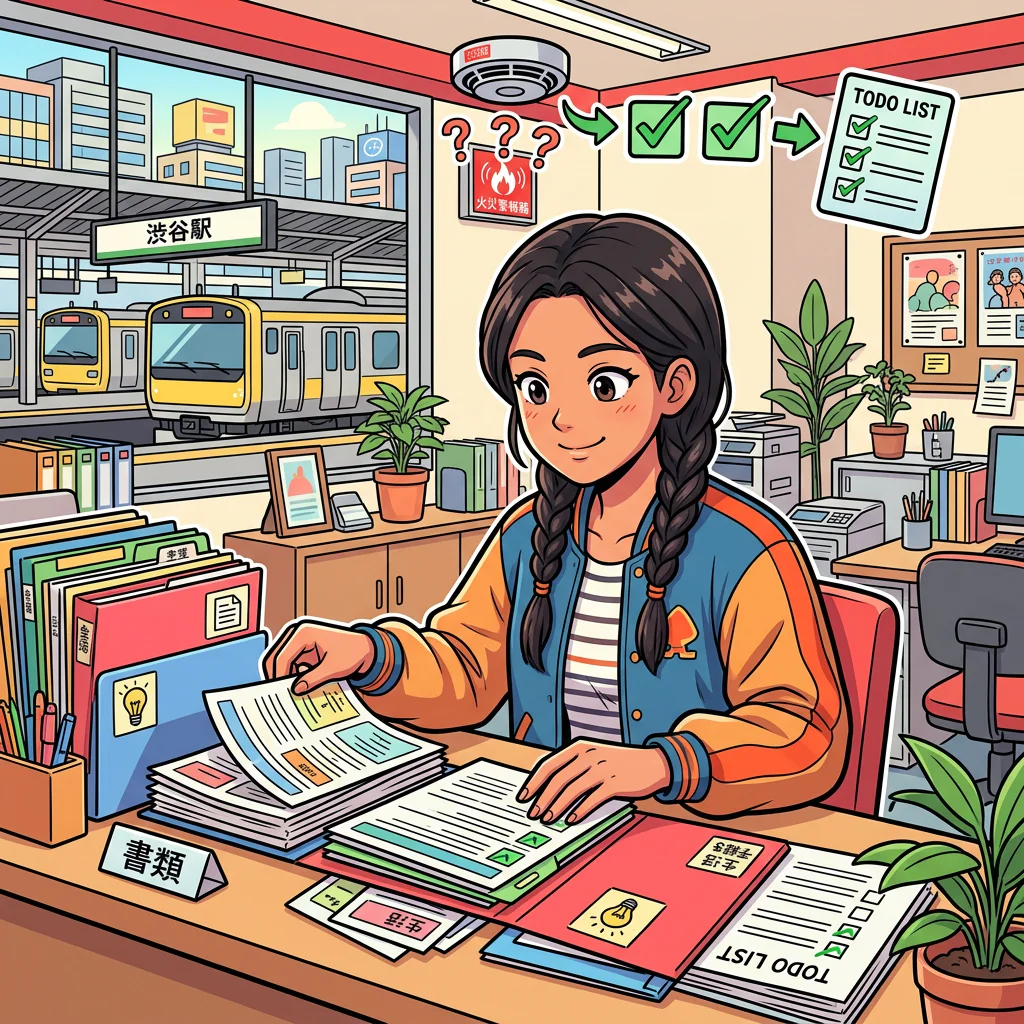
A smoke alarm is important because it tells you to look for a problem. It does not tell you that the whole building is on fire.
That is a better way to use online stories about Japan. Let them point you toward questions. Before signing a lease, ask what fees and renewal conditions are written in the contract. Before starting a job, clarify the hours, expectations, and who handles questions. Before an appointment, check what language support is actually available instead of assuming someone will interpret everything for you.
Then close the app and gather information from the people involved. An official website, a written contract, a school administrator, a municipal office, or a trusted friend can tell you more about your specific situation than a dramatic generalization can.
This approach keeps the useful part of collective experience. You learn where confusion tends to appear, but you do not let somebody else's worst case become the script for your own life.
There is another reason online life can feel darker than offline life. When you are new, isolated, or still learning Japanese, every difficult interaction has to be processed alone. You do not have a friend who can say, "That office is always confusing, but this is the phrase that worked for me." You do not have a local person who can tell you whether a quiet response was ordinary or personal.
Without that context, one bad experience expands. A cold email becomes proof that nobody wants to help. An awkward introduction becomes proof that friendships are closed. A difficult form becomes proof that you will never understand how anything works here.
The same event can feel completely different when you have somebody to debrief with over a coffee. Context shrinks the fear.

This does not mean you need a huge social life. One or two people who know your situation can give you a second angle. They can also remind you that the country has more texture than the problem currently filling your head.
Venting has a place. So does scrolling through other people's stories when you need to know you are not the only one struggling. The trouble begins when the feed becomes your main relationship with the country where you live.
You start consuming Japan instead of experiencing it. You know every argument about manners, policies, and cultural contradictions, but you do not know who to ask for a neighborhood recommendation. You can explain why making friends is difficult, but you have stopped accepting invitations because you expect the meeting to be awkward.
Try a small reset. For every hour spent reading about life here, create one reason to interact with someone who is actually part of your week. Ask a coworker where they eat lunch. Return to the same class or community event. Invite someone for a short walk instead of waiting for a perfect friendship to appear.
The goal is not to manufacture a cheerful story. It is to collect evidence from your own life. A country should be more than the opinions you read about it.
That is where SewaYou can help. It is a map-based app for finding people nearby who are open to friendship and language exchange. You can meet a local, another long-term resident, or someone who is also trying to make daily life feel more connected.
Make Japanese Friends On a Live World Map
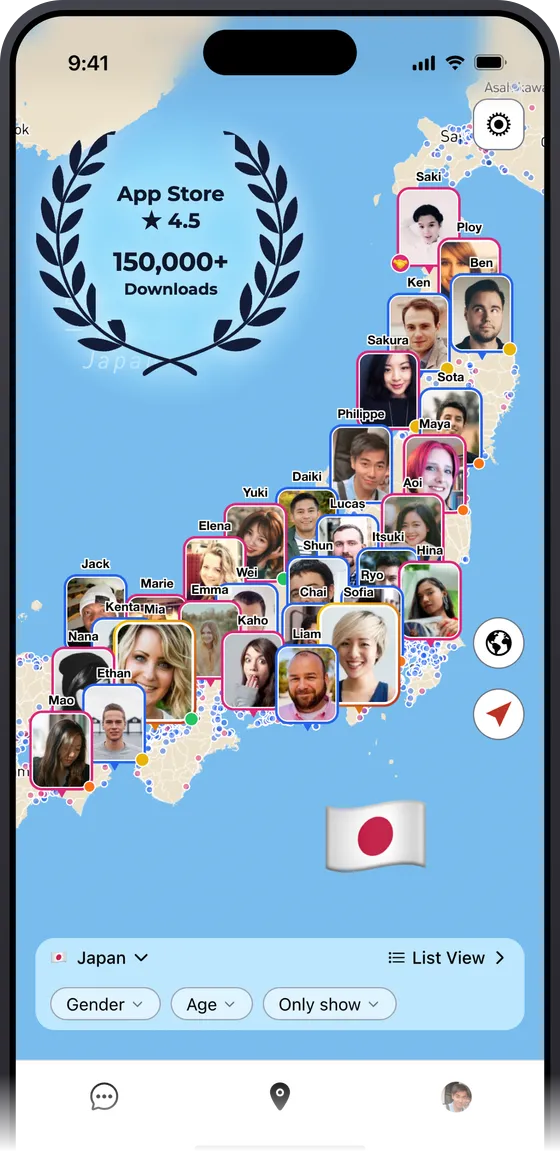
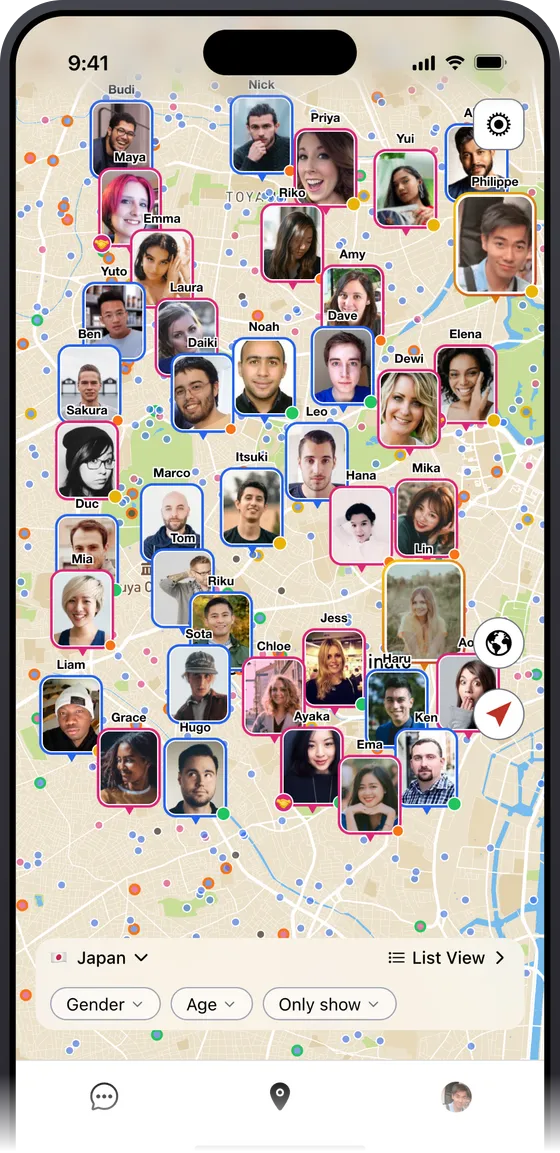
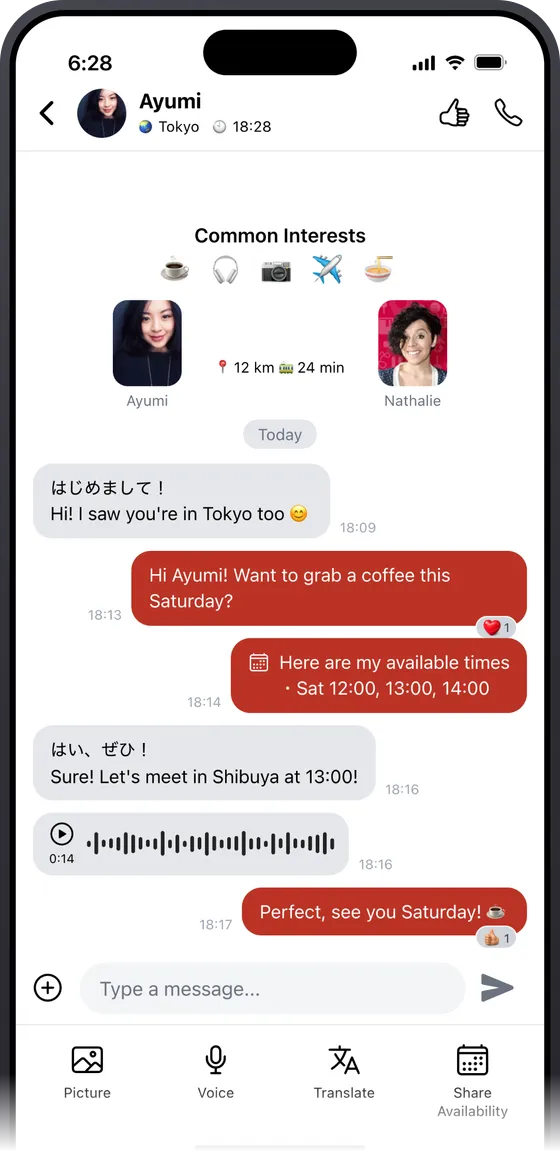


The useful part is not getting a definitive answer to "Is Japan good or bad?" Nobody can give you that answer for your exact life. The useful part is finding a person you can ask, "How does this work around here?" or, "Did that interaction feel normal to you?"
Meet in a public place, keep the first plan simple, and let the conversation be about ordinary things. Food, neighborhoods, work routines, hobbies, and small language questions are enough. Real contact beats borrowed certainty.
You do not have to choose between blind optimism and constant resentment. You can believe somebody's bad experience, learn from it, and still have a good afternoon that does not fit the pattern.
Read online complaints for clues. Check important details through reliable sources. Then return to the world in front of you, where a country is made from individual places and conversations, not from the most intense posts collected on one screen.
If your Japan life feels smaller than the internet's version of it, step away from the feed and add one person to your week. SewaYou gives you a simple way to find someone nearby and start there.


