

Someone at work remembers your favorite snack, asks about your weekend, and gives you a small character gift. You have a genuinely good conversation after work. Then you see the same person at a supermarket, wave, and receive nothing back.
It can feel as if the friendliness was fake. I understand why. In many places, recognizing someone is the natural continuation of knowing them. If we have talked, I know you. If I see you tomorrow, I say hello.
Japan can run on a different setting. Warmth can be context-bound. That does not make the warm moment meaningless, but it can make the relationship look completely different when the setting changes.

Work creates one kind of relationship. A class creates another. A neighborhood group, sports team, or regular language exchange creates another. Within that space, people may be generous, funny, and surprisingly personal. The shared activity gives everyone a clear reason to talk.
Outside that space, the reason is no longer automatic. A coworker may not know whether you want to discuss work in public. A classmate may worry that stopping you will create an obligation to have a longer conversation. Someone who is easygoing over dinner may still prefer to keep that connection attached to the group.
From the outside, this can look like denial: “You know me when it is convenient, but not here.” From the other side, it may feel more like keeping categories tidy. A role is not always a friendship.
That distinction is not an excuse for every rude behavior. If somebody repeatedly humiliates you or treats you badly, you do not have to call it culture and accept it. The useful point is narrower: a person can enjoy talking with you at work without having decided that you are now part of their personal life everywhere.
The hardest part is the uncertainty. If someone says, “I only talk to coworkers at work,” you can decide what to do with that information. A blank look in the street gives you no explanation, so your brain supplies one.
Maybe they are embarrassed to be seen with a foreigner. Maybe they dislike you. Maybe they forgot your face. Maybe you broke a rule you never knew existed. When you are still learning the language and social cues, all four explanations can feel equally possible.
There is also a difference in how recognition works. Some cultures treat a greeting as a basic acknowledgment between two people who know each other. In a more compartmentalized setting, greeting someone can be interpreted as starting a new interaction, not simply confirming that you recognize them. That extra step may be avoided in a crowded shop or on a train platform.
Ambiguity makes distance feel personal. The feeling is real even when the interpretation is uncertain. You are allowed to be disappointed without deciding that every person involved was secretly pretending.

The first useful response is boring but powerful: collect more context before you judge the relationship.
Was the person alone or with family? Were they rushing? Did they look directly at you and turn away, or did they simply fail to notice? Do they greet other classmates outside class? Have you ever clearly invited them to interact somewhere else, or have both of you only met inside the original setting?
You do not need to investigate like a detective. Just avoid building a story around one uncomfortable moment. Try a light greeting once more on another day. If the person responds briefly and keeps walking, let the interaction end. Respect the boundary without shrinking yourself.
You can also change your own expectations. A friendly colleague is still valuable even if they never become a weekend friend. A pleasant classmate can make a class better without becoming someone you message every day. Not every good connection has to expand to prove that it was genuine.
Sometimes the other person is not rejecting you. They simply have no script for moving the relationship outside the place where it began. If you want to find out, make the next step specific and easy to refuse.
At the end of work, try, “I am getting coffee nearby on Saturday. Would you like to join?” After class, try, “There is a small exhibition near the station. Want to go next week?” A clear invitation removes the guesswork. It tells them that you are not accidentally demanding a new level of closeness in the middle of a supermarket aisle.
Keep the first plan short. One coffee, one walk, or one meal is enough. Share something about yourself too, so the interaction is not an interview about Japan. If they decline, accept the answer warmly and keep the original connection comfortable.
A second context creates a bridge. If the person accepts, you now have evidence that the relationship can travel. If they do not, you have useful information instead of months of guessing.

There is a limit to how much social decoding one person should have to do. When every potential friendship begins inside a workplace, class, or other fixed role, you are constantly trying to figure out what is permitted to continue outside it.
That is one reason meeting people through an intentional language exchange can feel easier. The purpose is visible from the beginning. You are not interrupting a coworker’s private errand and hoping they understand your wave. You are meeting someone because both of you have already shown interest in conversation, friendship, or language practice.
SewaYou is a map-based app that helps you find people nearby who are open to meeting and exchanging languages. It can connect you with a local person, another newcomer, or a long-term resident who also wants a more human routine.
Make Japanese Friends On a Live World Map
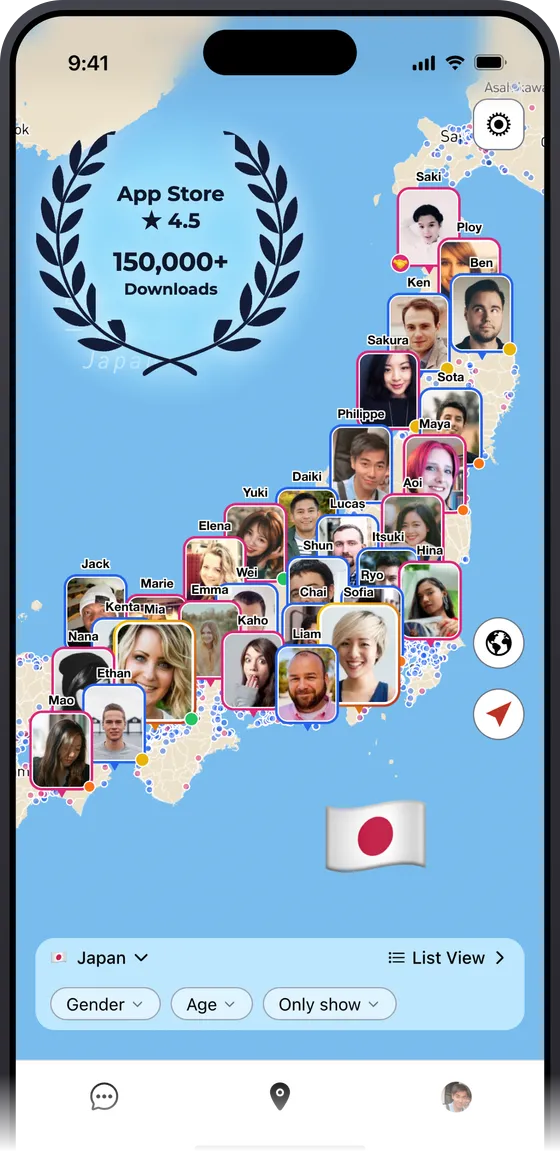
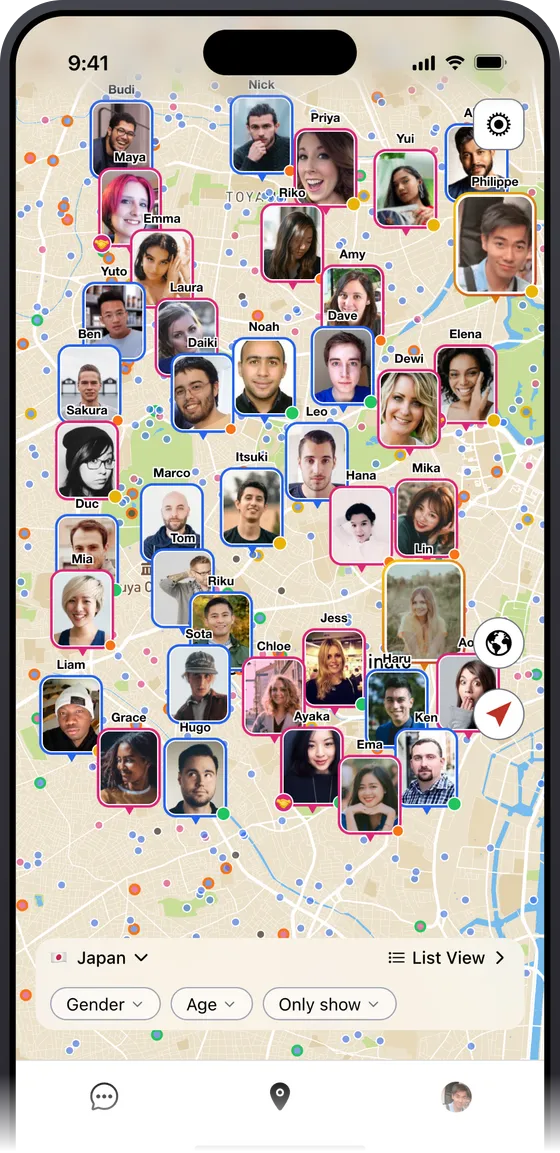
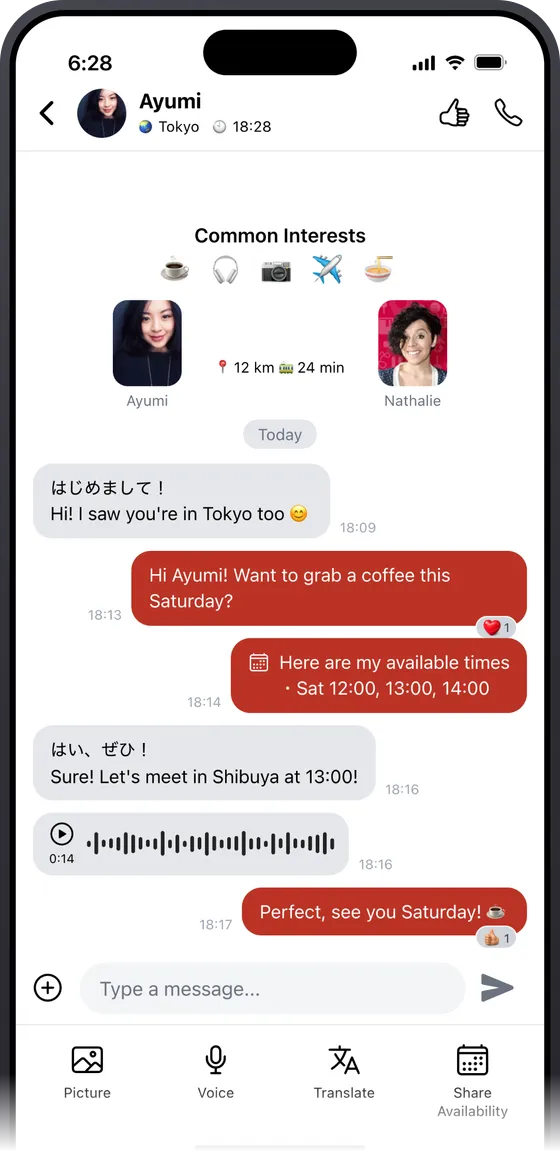


The app cannot remove every cultural difference, and it should not try to. It simply makes the first context more honest. You can meet in a public place, keep the plan simple, and see whether the conversation has somewhere to go.
The person who ignored your greeting may have been protecting a boundary, following a social habit, or just distracted. You may still have felt hurt. These facts do not cancel each other out.
Try not to demand a universal answer from one interaction. Let role-specific connections stay useful, invite the people you genuinely want to know better into a new setting, and notice who responds with the same openness you are offering.
Japan does not require you to stop being the person who says hello. It may require you to learn that a hello is sometimes an invitation, not a reflex. Choose people who can meet you at that doorway.
When you are ready to find them, SewaYou gives you a simple place to start. Find someone nearby, make a small plan, and build a connection that does not disappear when the room changes.


