

Every so often, someone tells me that Japan used to feel more interesting. They remember stranger phones, louder fashion, tiny shops with their own personality, and a version of daily life that seemed less polished and less interchangeable.
I understand the feeling. I have had it myself, standing in a familiar station surrounded by excellent coffee chains and immaculate signs, wondering why the whole country suddenly felt like a waiting room.
But I do not think the real loss is a decade. I think it is the feeling of being inside the culture.
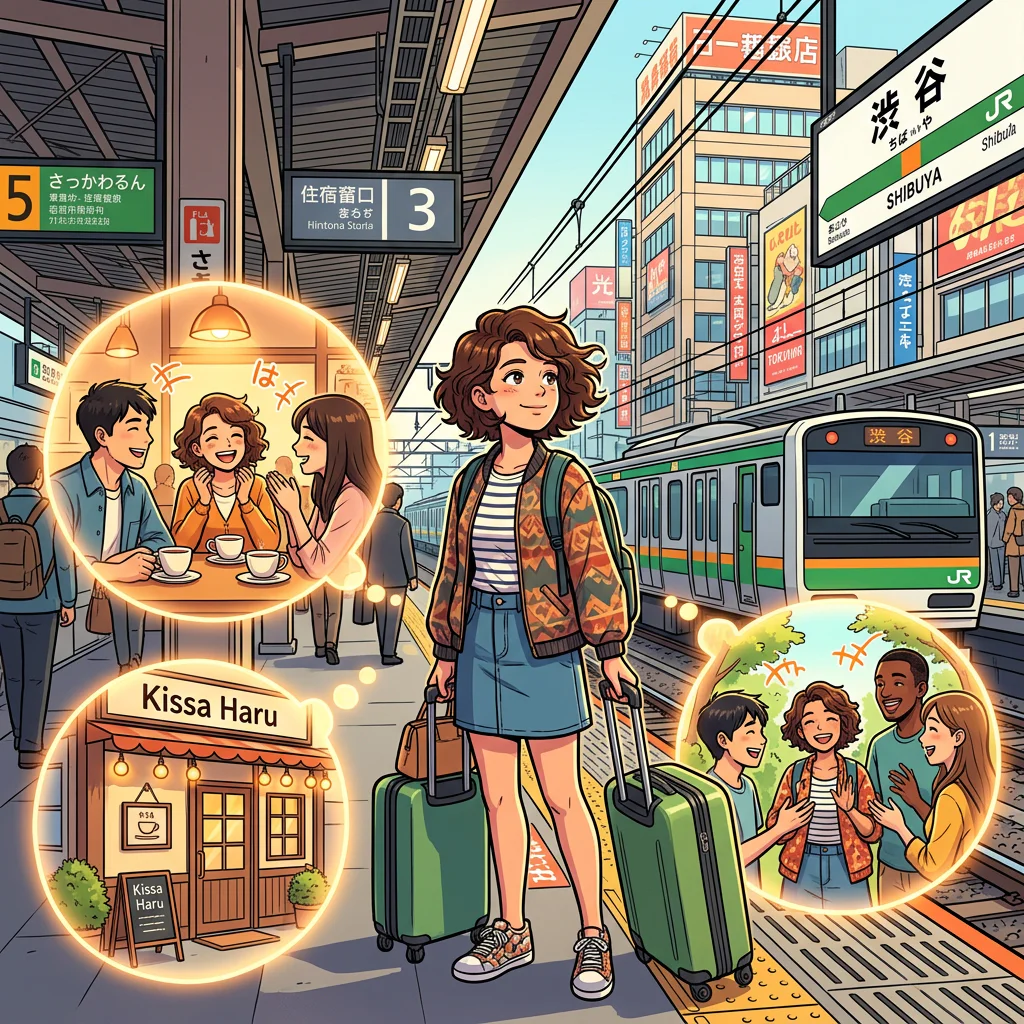
When people miss the Japan of their first few years here, they often describe objects and trends. The old gadgets. The music. The clothes. The weird local habits that have since been replaced by something more convenient.
Those details matter, but they are rarely the whole memory. Behind every detail there was probably a person. A friend who dragged you into a basement shop. A coworker who explained a joke. A group that had a favorite arcade, cafe, or late-night walk.
The object becomes a shortcut for the relationship around it. What you miss may be the life attached to the thing.
That is why nostalgia can hit especially hard after moving countries. Your memories from home arrive with built-in context. You know where to go, who to call, and what a strange little ritual means. In Japan, you may recognize the scenery without yet having a place in its social texture.
There is a difference between looking at a city and taking part in it. You can visit the same famous neighborhoods, order the same popular food, and photograph the same view as everyone else while feeling strangely absent from the experience.
I used to think this meant I needed to find a more authentic part of Japan. A smaller town. A less fashionable street. A hidden bar that tourists had not discovered. Sometimes a new place helped. Often, I was carrying the same loneliness to a different train station.
The issue was not that the city had run out of surprises. I was waiting for the city to entertain me. A living culture needs participation.
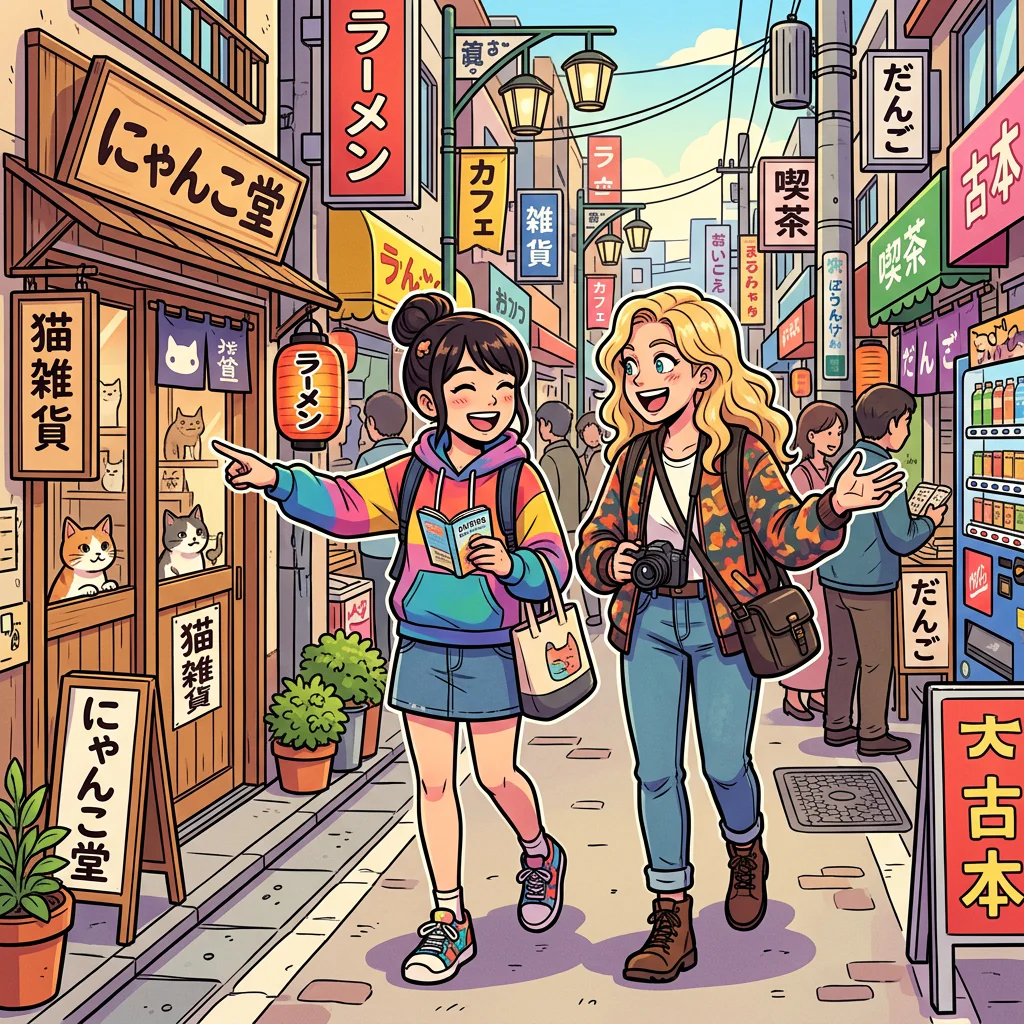
Participation does not have to mean becoming an expert on local history or collecting obscure recommendations. It can be much smaller: asking someone why they like a neighborhood, joining the same group twice, learning the phrase people use for an ordinary situation, or having a regular place where the staff recognize you.
Those moments give the map some personal coordinates. A generic street becomes the place where you had a difficult conversation. A convenience store becomes the meeting point before a walk. A festival becomes more than a photo because somebody was there with you.
There is another reason the past can seem more vivid. The present reaches us through the same polished feeds, recommendations, and global brands wherever we live. You can spend a whole day in Japan looking at a screen that makes every country feel like the same room.
That does not mean local character has disappeared. It means the most visible layer is often the easiest one to package and share. The odd, specific, inconvenient parts of life are less likely to arrive in a neat recommendation.
If you only follow what is already popular, Japan can feel like a theme park with the instructions printed on the ticket. The present can feel pre-edited. You have to go looking for the unfinished version, the place that is meaningful to a few people before it becomes a destination for everyone.
This is not an argument for romanticizing the past. Every era had its frustrations, and old memories are selective. It is an argument for noticing what made your favorite memories work. Usually, it was curiosity plus repetition plus someone to share it with.
You do not need to recreate somebody else's Japan. You need a few experiences that could not have happened without you being here.
Try choosing one small ritual for the next month. Visit the same neighborhood on a quiet evening. Ask a Japanese coworker for one recommendation and actually try it. Return to the same language exchange gathering instead of treating every event as a one-time audition.
The point is not to hunt for a secret Japan. The point is to give ordinary life enough time to become yours. Make one small ritual repeat.
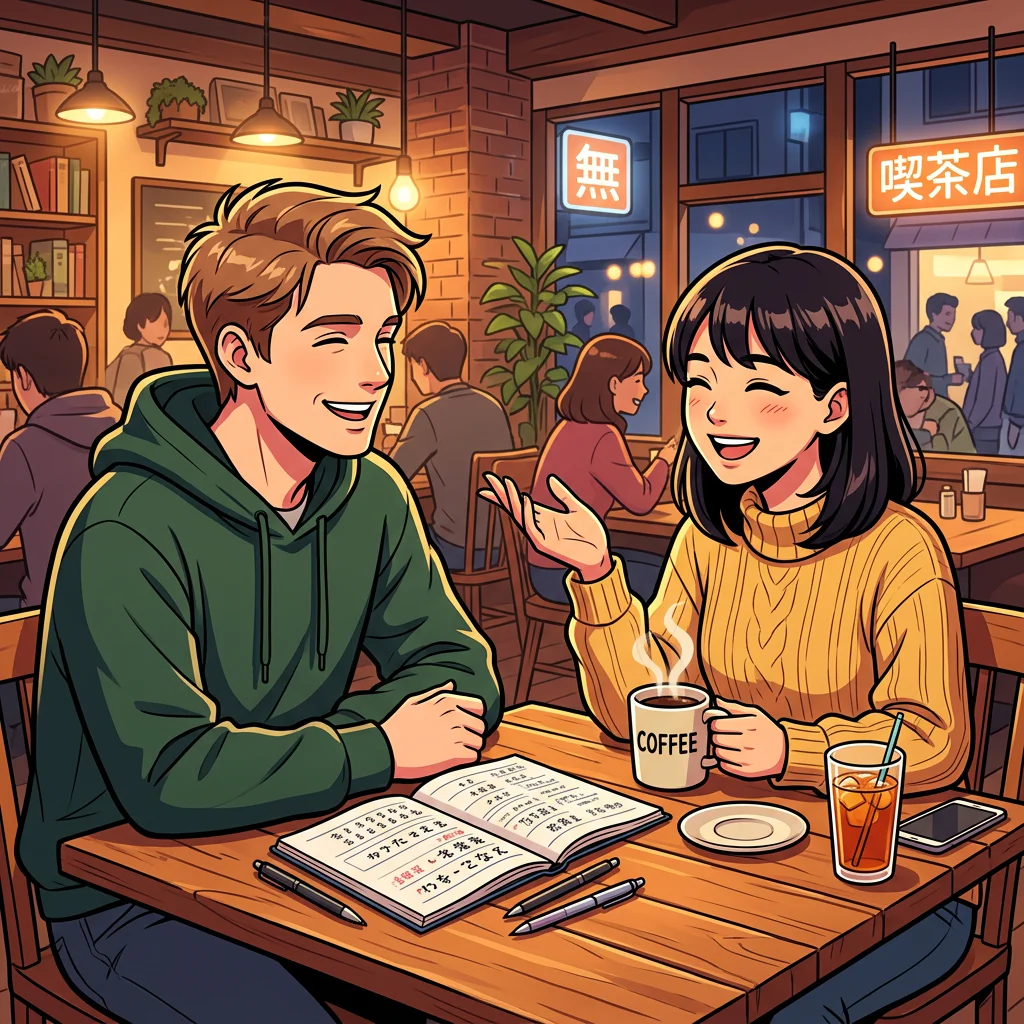
You may still miss the version of Japan you first imagined. That is normal. A new country can disappoint you and still become home. The goal is not to force yourself to call everything exciting. It is to stop judging your entire life here by how entertaining the surface looks on a lonely day.
The sharpest version of this feeling is not really, "Japan was better in the past." It is, "I used to have more stories here."
Stories accumulate through contact. They come from people who invite you somewhere slightly outside your routine, conversations that move beyond introductions, and shared plans that survive the first awkward meeting. Without those connections, even a fascinating city becomes a backdrop.
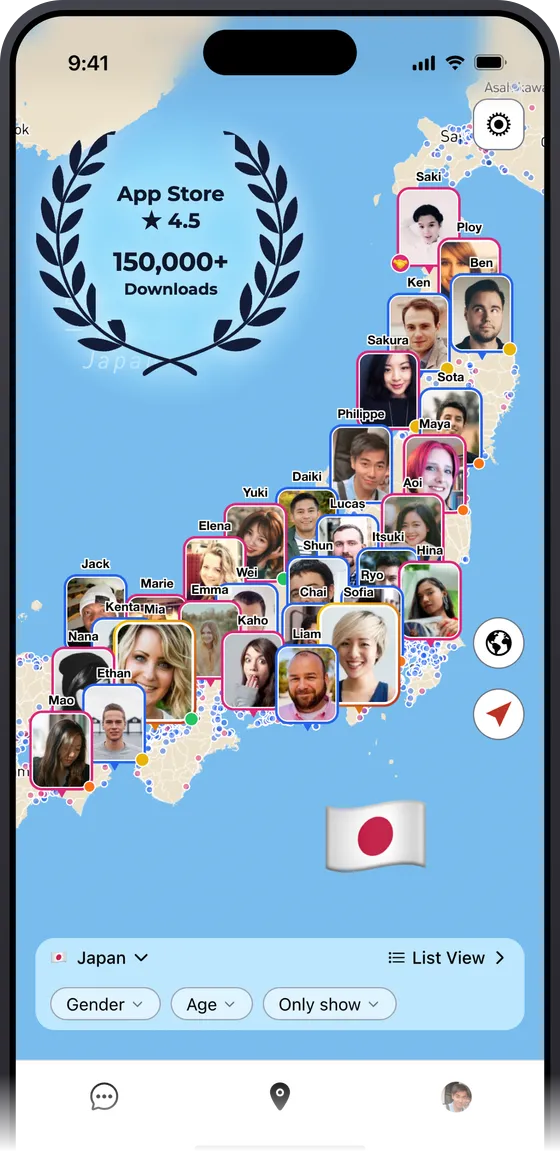
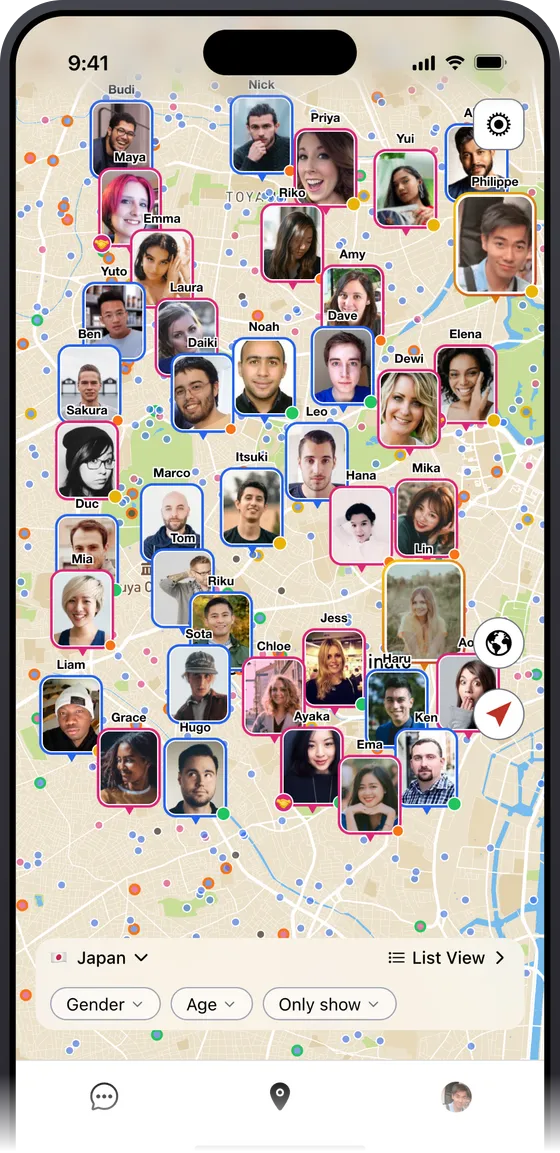
That is where SewaYou fits. It is a map-based app for finding people near you who are open to meeting, chatting, and exchanging languages. You can look for a local, another newcomer, or someone who is also trying to build a life here, then turn a vague wish for connection into a simple plan.
Make Japanese Friends On a Live World Map
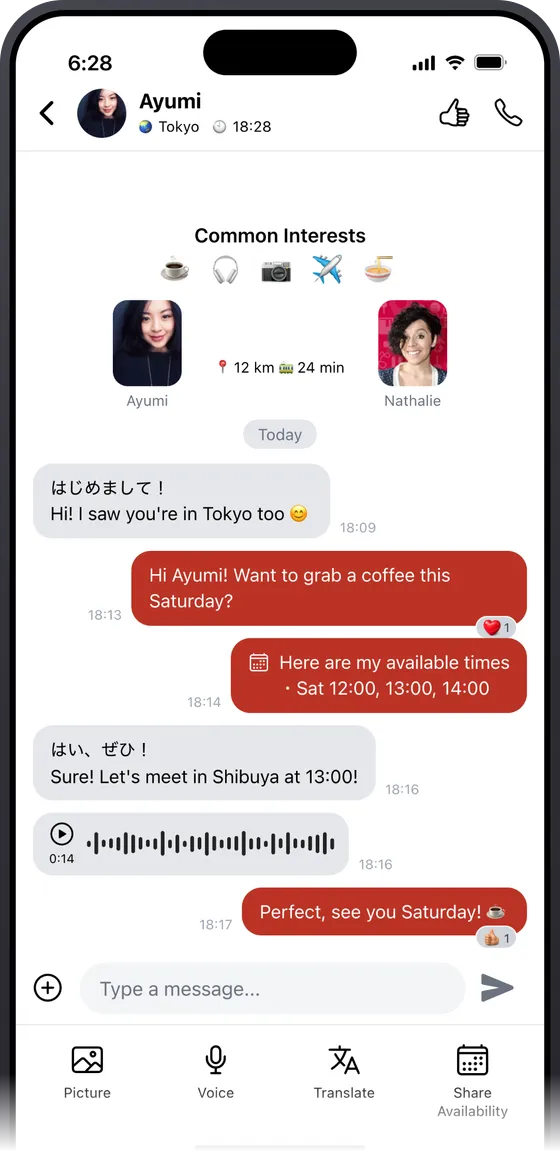


You do not need a time machine to find a more personal Japan. You need someone to share the next neighborhood walk with, and a reason to go back.
Download SewaYou, find one person nearby, and start making the kind of memories that will make the present feel vivid later.


