

There is a particular kind of new job in Japan that asks you to disappear into it. You get told off for going to the bathroom without announcing it first, because people get worried when they cannot see you. You ask to step away for a glass of water and the answer is no, because your coworkers are thirsty too and waiting, so you should wait as well.
If that sounds absurd written down, it is. But plenty of people, especially fresh graduates and newcomers in customer-facing roles, live some version of it and quietly assume it must be normal. It is not a sign that you are doing something wrong. It is a sign of a workplace that wants to occupy every minute you are inside the building.
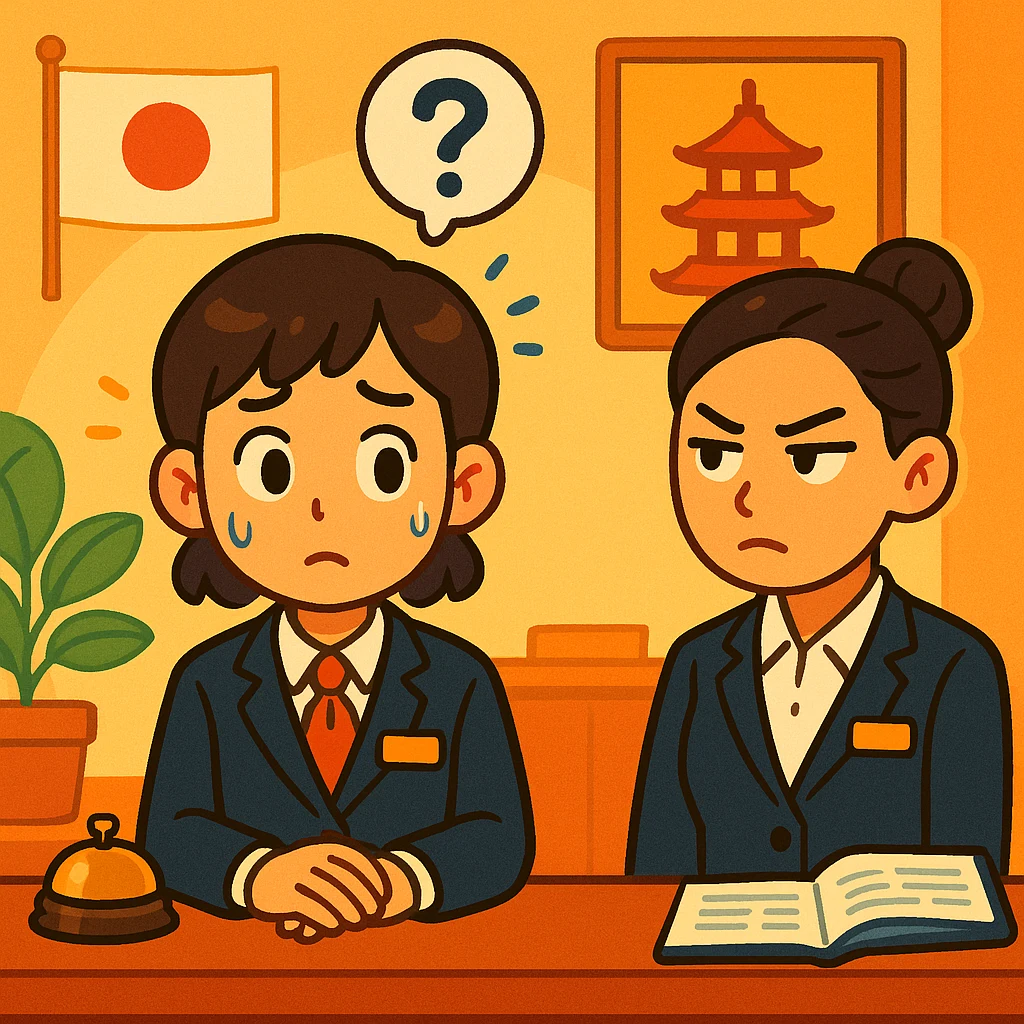
Japan has a real strength in how seriously it takes work. Care, precision, taking the role seriously. That is genuinely good, and it is part of why living here can feel so solid. But the same instinct, pushed too hard, turns into something else. The team starts to treat your presence as something it owns. Your time, your attention, even when your body is allowed to leave the desk.
The bathroom thing and the water thing are small on their own. What they really tell you is the underlying belief, that you belong to the floor for the whole shift, and stepping out of view is a kind of betrayal. When that belief goes unchallenged, the job stops being a job. It becomes the thing your entire day, mood, and sense of yourself bend around.
That is the quiet danger. Not one rude moment, but the slow way a demanding workplace becomes the only structure in your life. You start measuring whole weeks by whether work went well. You have to remember that a job is a thing you do, not who you are.
When you are new in Japan, the job is often the only built-in structure you have. It hands you a schedule, a building to go to, people to see, a reason to be somewhere. So it is easy to let it fill the entire frame, because there is nothing else competing for the space yet.
That is exactly why an intense workplace can swallow a newcomer so completely. There is no counterweight. If your coworkers are also your only social contact, then their rules about your water breaks are not just annoying, they are the whole emotional weather of your life. When work is your only world, every small indignity lands like a flood, because there is nothing else holding any of your weight.
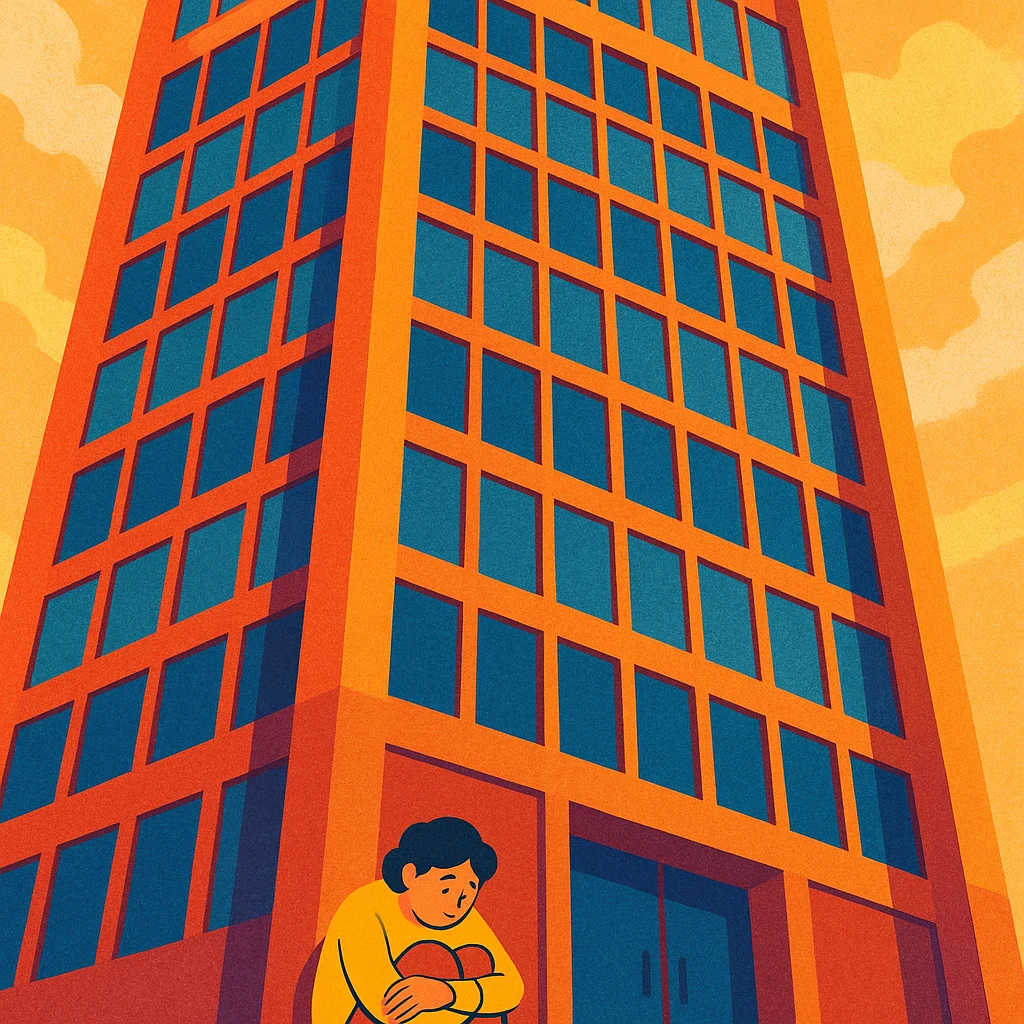
Here is the part nobody tells you on day one. The single best protection against a job that wants to be your whole life is a life that already exists outside it.
When you have friends who have never met your manager, a Sunday that has nothing to do with the floor plan, a person you can text who does not care how your shift went, the job shrinks back to its proper size. It becomes eight or nine hours, not your identity. The same bathroom rule that felt crushing on Tuesday becomes a slightly funny story you tell someone over coffee on Saturday. Perspective is not something you think your way into. It is something other people give you.
This is not about quitting, and it is not about hating Japanese work culture. It is about refusing to let one building be the only place you exist. You want a second center of gravity, somewhere the rules of your job simply do not apply, where you are just a person and not a position on a team.
The honest problem is that building that outside life is hard when the job already eats your energy. You finish a draining shift, the people you know best are the exact people you are trying to get distance from, and the usual apps hand you endless messaging with strangers three trains away who flake before you ever meet. That is not a life outside work. That is more screen.
What actually changes things is one real person near you who has no connection to your job at all. One friend in your own neighborhood you could meet for a walk or a coffee on your day off, who will never once ask whether you announced your bathroom break. That single nearby person turns a city you only commute through into a place you actually live.

SewaYou is a map-based app that shows you real people near you who also want to meet new friends. You set the map to your own area and find locals and fellow residents who are genuinely close by, not a list of usernames somewhere across the metro. You can also explore anywhere on the world map. When you focus on your own area, the people you discover are people you could realistically see again, which is the whole point of a friend who exists outside your job.
Make Japanese Friends On a Live World Map
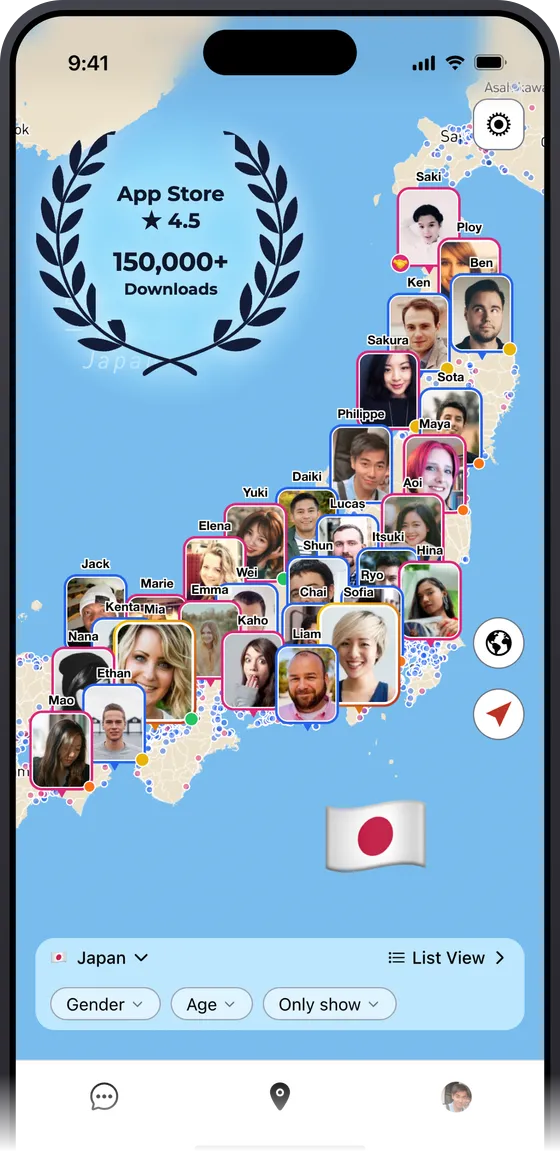
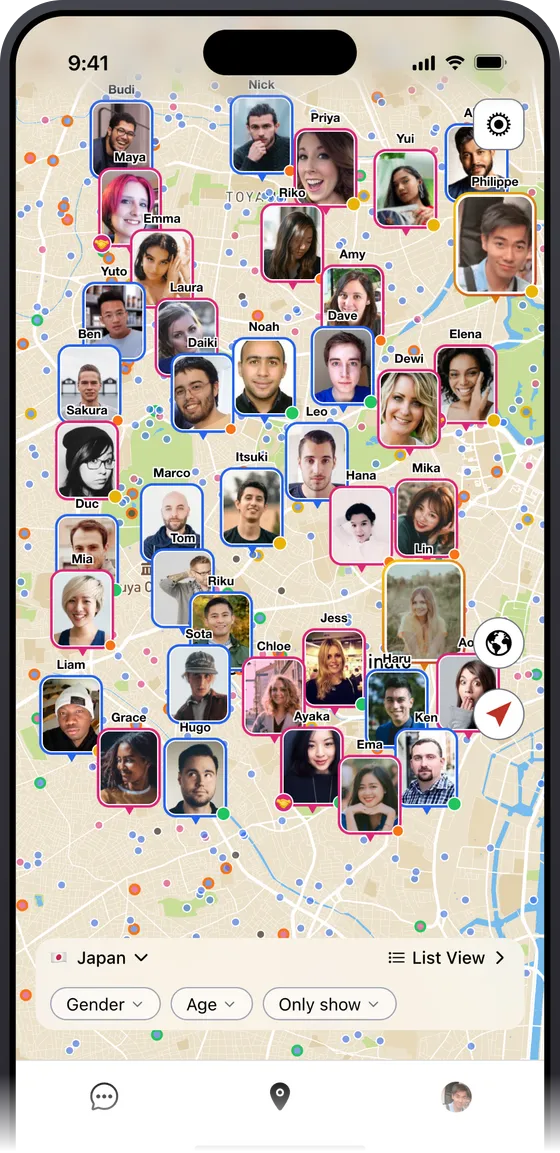
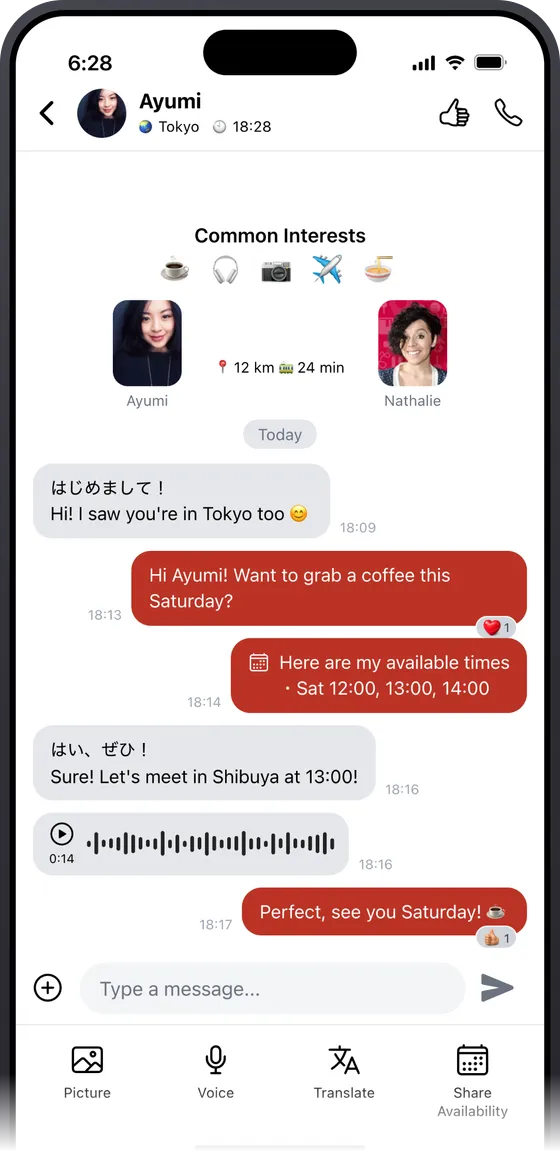


So take the demanding workplace seriously, but do not let it take all of you. Do your shift well, then go build the part of your life it does not get to touch. Tonight, set the map to your neighborhood, read a couple of honest profiles, and send two messages to people who will never know your manager name. The job is allowed to be a job. It is not allowed to be your whole life, and the surest way to keep it in its place is to have somewhere else to belong.
For escaping the trap of only ever socializing with one group, How to Escape the Foreigner Bubble in Japan.
For finding your footing as a newcomer, The 5 Apps You Should Actually Download Before You Move to Tokyo.


