

Every few months I meet someone in Japan who is quietly doing the math on their own life and coming up short.
They're not lazy. They're not complaining for the sake of it. They work the hours, they ride the trains, they do everything right, and somehow there's nothing left at the end of the week. No energy for friends. No room for dating. Definitely no space to imagine raising a kid. And the question they keep circling back to is the big one: why hasn't Japan fixed this yet?
It's a fair question. Everyone can see the problem. The birth rate keeps sliding, wages have felt stuck for a long time, and the link between "nobody has time to live" and "nobody is starting a family" isn't exactly a mystery. So why hasn't the country done more?
I've stopped waiting for a satisfying answer to that. And I think you should too. Not because the question is wrong, but because the honest answer doesn't help you this year.

Ask why work-life balance in Japan is still rough and you'll get a stack of real reasons. Deep-rooted expectations about who leaves the office last. Companies that measure loyalty in hours instead of output. A culture where the person who takes their full vacation can feel like they've done something faintly rude. None of that is invented, and none of it flips overnight.
The frustrating truth is that societies change these habits slowly, on a scale that has almost nothing to do with your next twelve months. Policies get announced. Pilot programs run. A few big companies make headlines for cutting hours. Meanwhile the average Tuesday for most people looks a lot like it did five years ago.
The system moves on a generational clock.
So if your plan is to hold your breath until the country reorganizes itself around your wellbeing, I have bad news about the timeline. That change may well come. It just won't come fast enough to give you back this decade.
Here's the part that gets missed in the big-picture debate. When people argue about work-life balance, they argue about hours. Fewer of them, more of them, overtime rules, the length of the commute. Hours are easy to count, so hours are what everyone fights over.
But hours aren't really what breaks people.
Overwork doesn't just take your hours. It takes the thing those hours were supposed to protect. A long week doesn't only leave you tired. It leaves you with a smaller and smaller circle of people who actually know you, until the only humans you speak to all week are colleagues and the guy at the konbini.
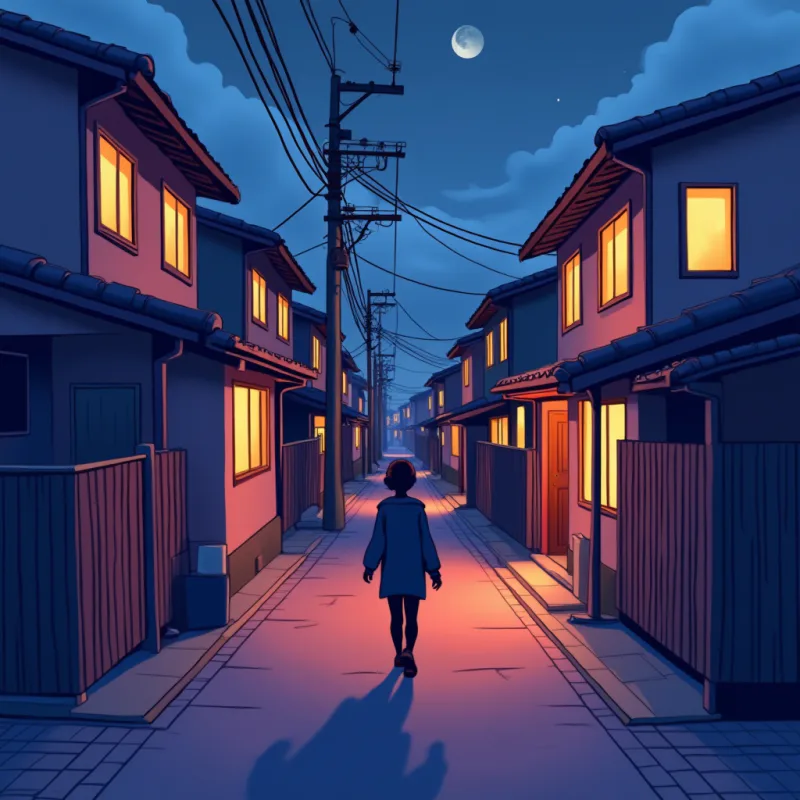
That's the quiet cost of a bad balance. Not the sleep you lose. The life you never got around to building. The friendships that stayed at "we should hang out sometime." The hobby you kept meaning to start. The version of your evenings where you actually looked forward to something.
For anyone here from another country, it hits twice as hard. The long hours are the same, but you're doing it without the childhood friends, the family a train ride away, the built-in web of people who catch you when a week goes sideways. The isolation isn't a side effect. For a lot of foreigners in Japan, it is the whole experience of a bad job.
The reason "why hasn't Japan fixed this" is a comforting question is that it puts the responsibility somewhere else. The government should act. The companies should change. HR should mean it when they say they care about wellbeing.
All of that might be true. And exactly none of it is under your control.
You can't legislate yourself a friend.
No labor reform is going to knock on your door and introduce you to someone you click with. No overtime cap is going to text you on a Saturday to see if you want to grab ramen. Those things only exist if you go build them, and the cruel joke of overwork is that it drains the exact energy you'd need to build them right when you need it most.
Which is why the move isn't to wait until you feel rested and social and ready. Start before you have the energy for it. A small, real connection is the thing that gives energy back, not the reward you get after everything else is finally handled.
You can't reset national policy. You can decide that your job is not going to be your entire world.
That sounds obvious until you try it in a city where you don't know many people and half your conversations happen in your second language. Where do you even start? The old advice was to join a circle or wait to bump into someone at an izakaya, which is great if you already have the time and the network to make that happen. Most people reading this don't.

That gap is exactly why we built SewaYou. It's a map-based app that shows you real people near you who also want to make friends and practice a language, so meeting someone doesn't depend on a lucky coincidence or a free evening you never seem to have. You see who's actually around, you reach out, you keep it small. A coffee. A short walk. One conversation in a week that has nothing to do with your manager.
Make Japanese Friends On a Live World Map
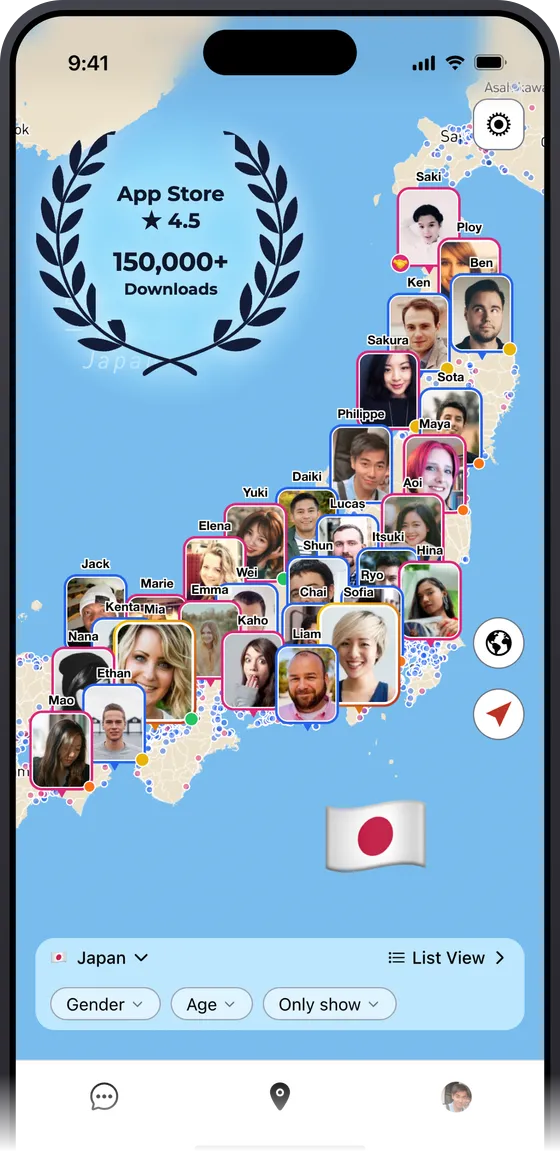
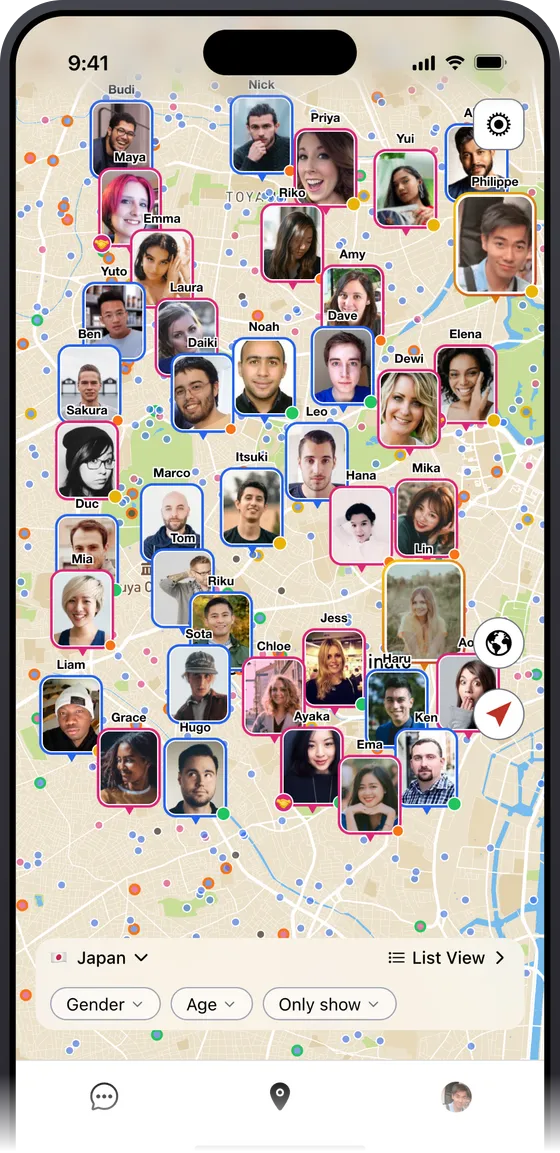
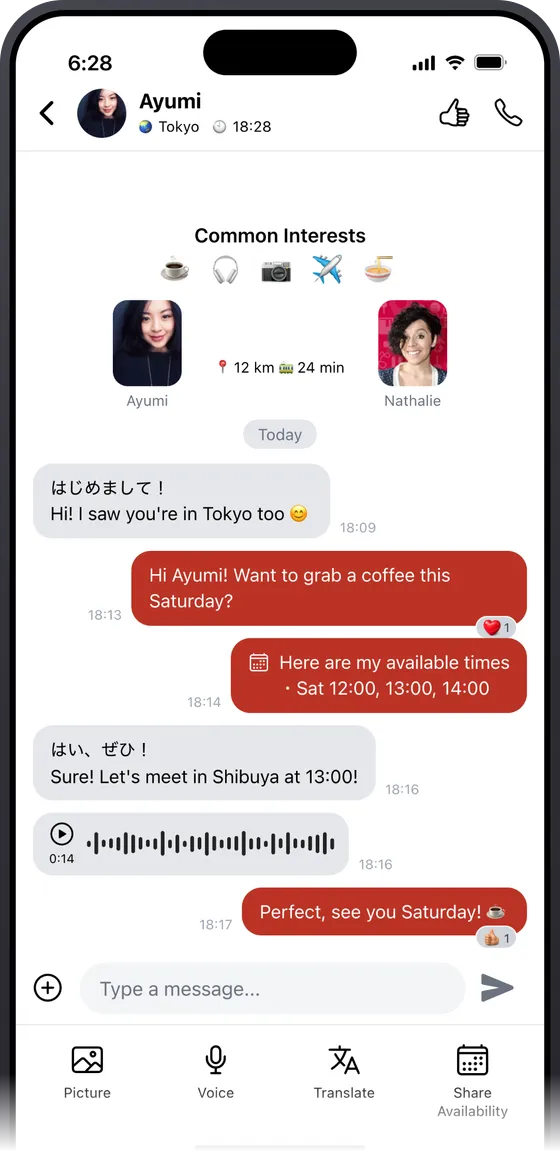


None of this fixes Japan's work-life balance. It's not supposed to. It fixes yours, one relationship at a time, on a timeline you control instead of one you're stuck waiting on.
A life outside work is the whole point. The demographic debate can grind on for another decade, and it probably will. Your evenings don't have to wait for it. The country will move when it moves. You can start this week.
If your job has quietly become the only place you talk to anyone, that's the signal, not something to push through. SewaYou is where you start building the rest of it back. See who's near you, and go be a person outside the office.


