

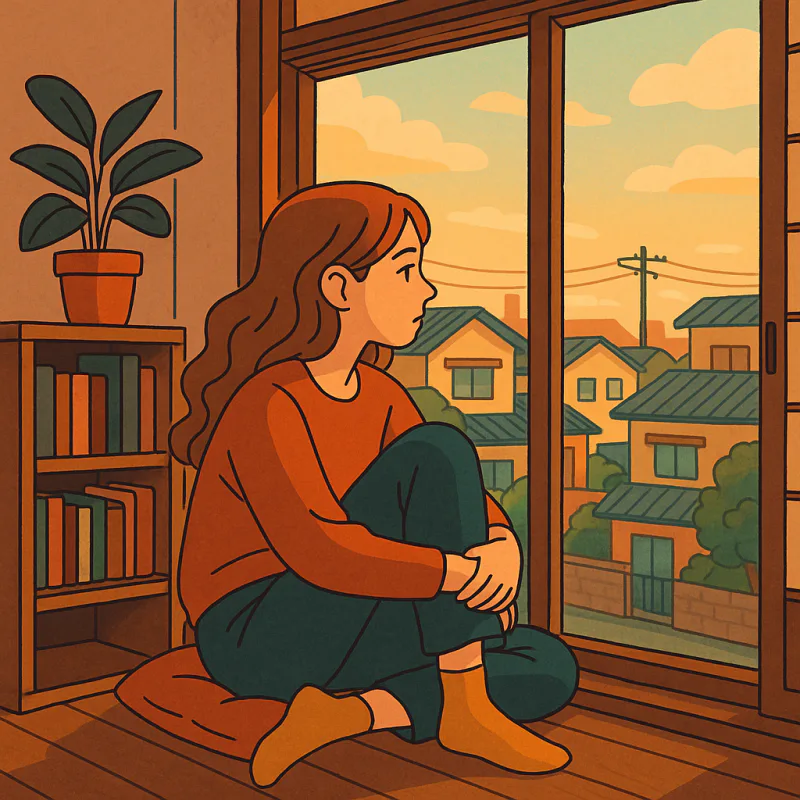
You followed your partner here. He has an office, a team, a reason to leave the house every morning. You have a quiet apartment and a calendar with nothing written in it.
Being a trailing spouse in Japan is a strange kind of lonely. You are not unhappy with your marriage, you are just missing the dozens of small daily connections you used to have without thinking about them. The coworker, the neighbor, the friend you grabbed lunch with. All of that got left behind in your last country, and nobody hands it back to you when you land.
The good news is that an expat spouse in Japan can absolutely find local friends. It just takes a few deliberate moves, because the friendships will not arrive on their own. Here are seven ways that actually work, starting with the one that gets you in front of a real person nearest to you.
Most friend apps drop you into a giant feed of strangers from all over the country, and you spend weeks trading messages with people you will never actually meet. That is the opposite of what you need.
SewaYou works differently. It is a map-based app that shows you real people near you who also want to make friends, right in your own corner of the city. You open the map, you see who is genuinely close, and you find someone you can walk over and meet this week. No endless DMs, just nearby people.
Make Japanese Friends On a Live World Map
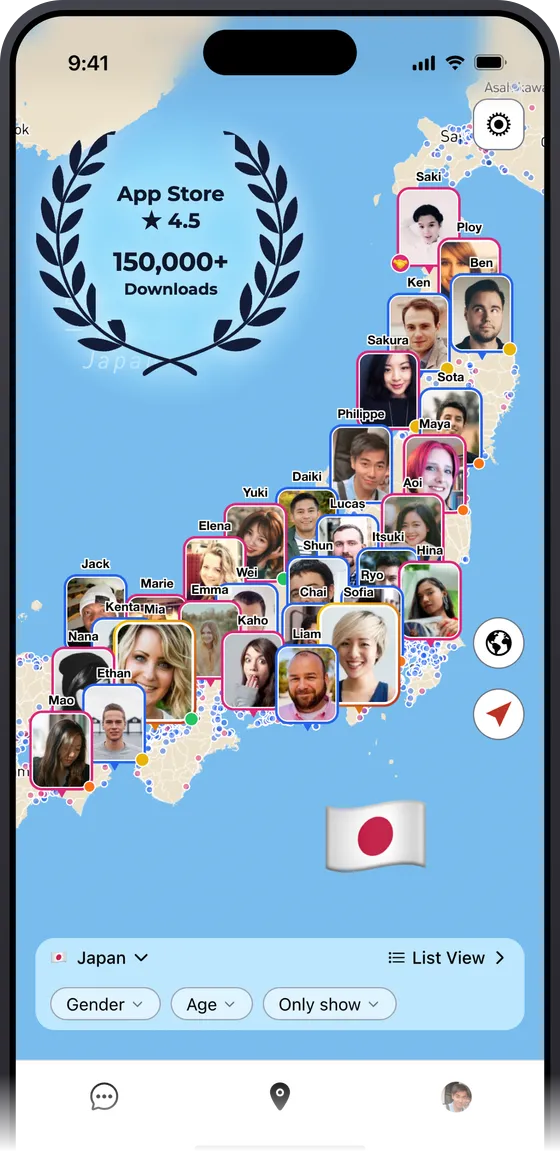
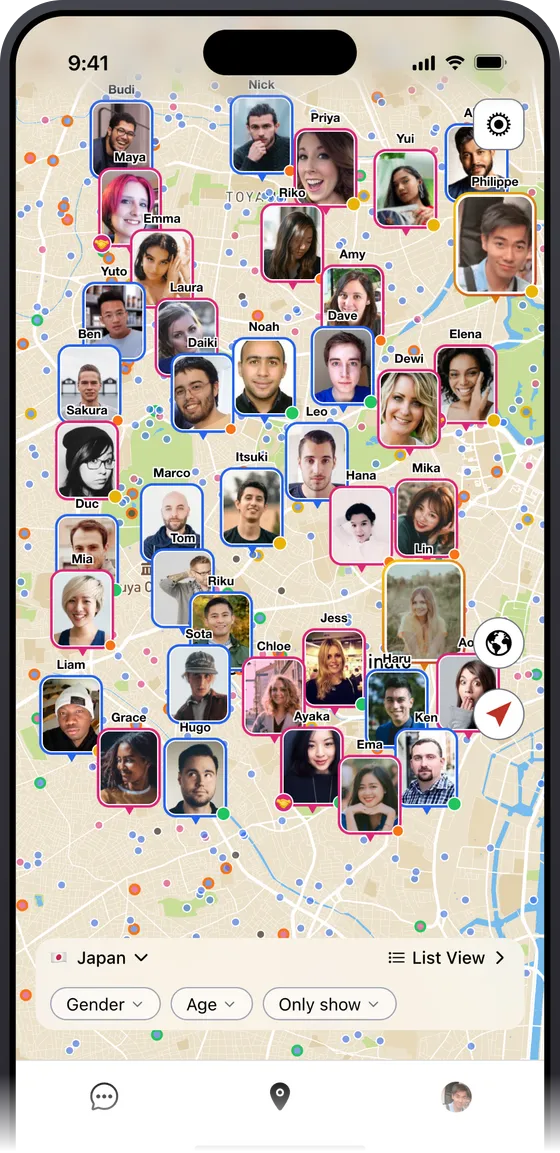
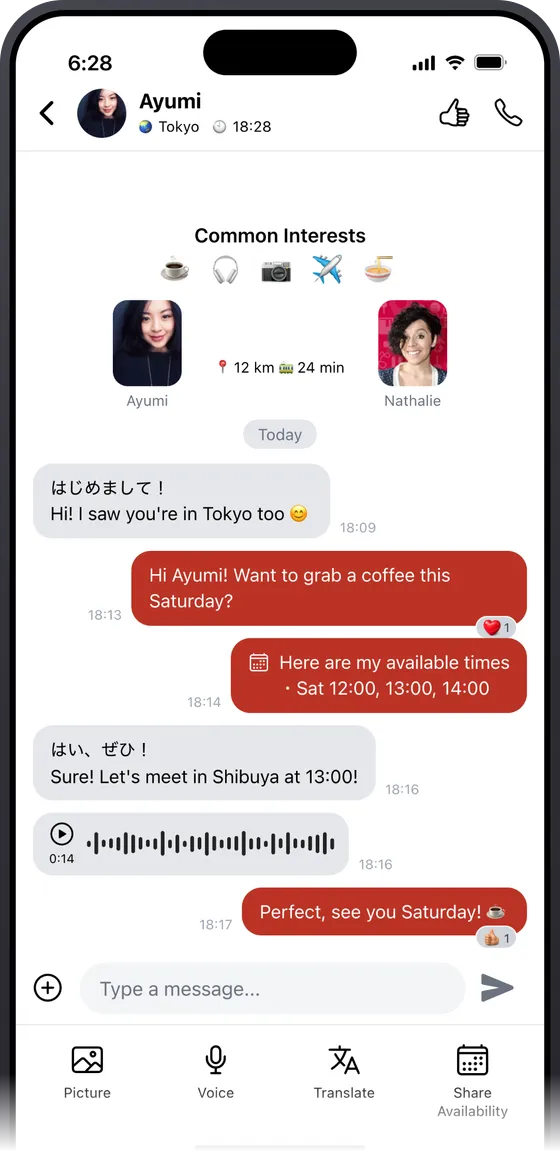


For an expat wife in Japan, that nearness is everything. A friend fifteen minutes away on foot becomes a regular coffee. A friend an hour away on three trains becomes a plan you both keep canceling. By starting with people inside your own neighborhood, you turn one empty afternoon into a real meetup instead of another dead-end chat. Walking distance over a crowded feed.
A Japanese class does two jobs at once. You pick up the language you need for daily life, and you sit in the same room every week with people who are in exactly your situation.
Look for community-run classes at your ward office or local international center, where the fees are tiny and the crowd is full of other newcomers. The shared struggle of getting through a grammar drill is a surprisingly fast way to bond. From strangers to weekly classmates.
Japan runs on circles, the small clubs built around one shared interest. Pottery, hiking, flower arranging, a neighborhood choir, a weekend tennis group. Whatever you loved back home almost certainly has a local version here.
The beauty of a hobby circle is that you never have to make small talk from nothing. You already have the one thing in common that brought everyone into the room. Check community center notice boards, local Facebook groups, or just ask at the shop that sells the supplies for your hobby.

If you have children, you are sitting on the easiest friendship pipeline there is. The school gate, the park at four o'clock, the local児童館 play center. Other parents are right there, on the same schedule, with the same need for adult company.
Start with the parents whose kids already play with yours. A simple "shall we get a coffee while they run around" goes a long way. Many an expat partner in Japan has built her whole social circle out of the mums and dads she met standing by the slide.
Volunteering puts you shoulder to shoulder with locals who care about the same thing you do, and it gives your week a purpose that has nothing to do with your partner's job.
Try a community garden, a beach cleanup, an animal shelter, or a local festival that always needs hands. You meet people while doing, which takes all the pressure off the conversation. Shared work, no awkward small talk.
Showing up at the same studio at the same time builds the kind of slow, low-stakes familiarity that turns into friendship. The faces start to repeat. The nods turn into hellos.
A small neighborhood yoga studio or a local gym class works far better than a giant anonymous chain for this. Smaller rooms mean the same people, week after week, until one day you are getting smoothies together afterward.

When you want to meet a batch of new people at once, organized events are made for exactly that. Meetup, international exchange nights, city festivals, and language cafes all gather people who showed up specifically hoping to talk to someone new.
The trick is to go more than once. The first time you scout the room, the second time a few faces are familiar, and by the third you are part of the regulars. Consistency, not charisma, is what builds the connection.
Seven ways can feel like a to-do list, but you do not have to do all of them. Pick one this week and take the first step. The whole thing is just a series of small moves that put real people back into your days.
If you want the fastest path to that first coffee, start with the people already near you. Download SewaYou and find your first local friend within walking distance in your Japanese city.


