

I keep meeting the same person.
She is new to Japan, often in her first real job here. Smart, careful, getting by in Japanese even without the JLPT certificate on the wall. She spends her whole workday quietly translating every meeting inside her head, which is more exhausting than anyone who hasn't done it can imagine.
And then, on top of the actual work, she runs into a second job nobody warned her about: the performance of togetherness.
She eats lunch at noon because she skipped breakfast and she's hungry. A coworker tells her she should wait until 12:30 so she can go with the group. She leaves at clock-out because she wants to cook dinner and have a life. The same coworker tells her that leaving on time is insincere and rude.
She's not doing anything wrong. But she's been made to feel like she is. And the question she ends up asking is heartbreaking in how small it is: should I be worried?
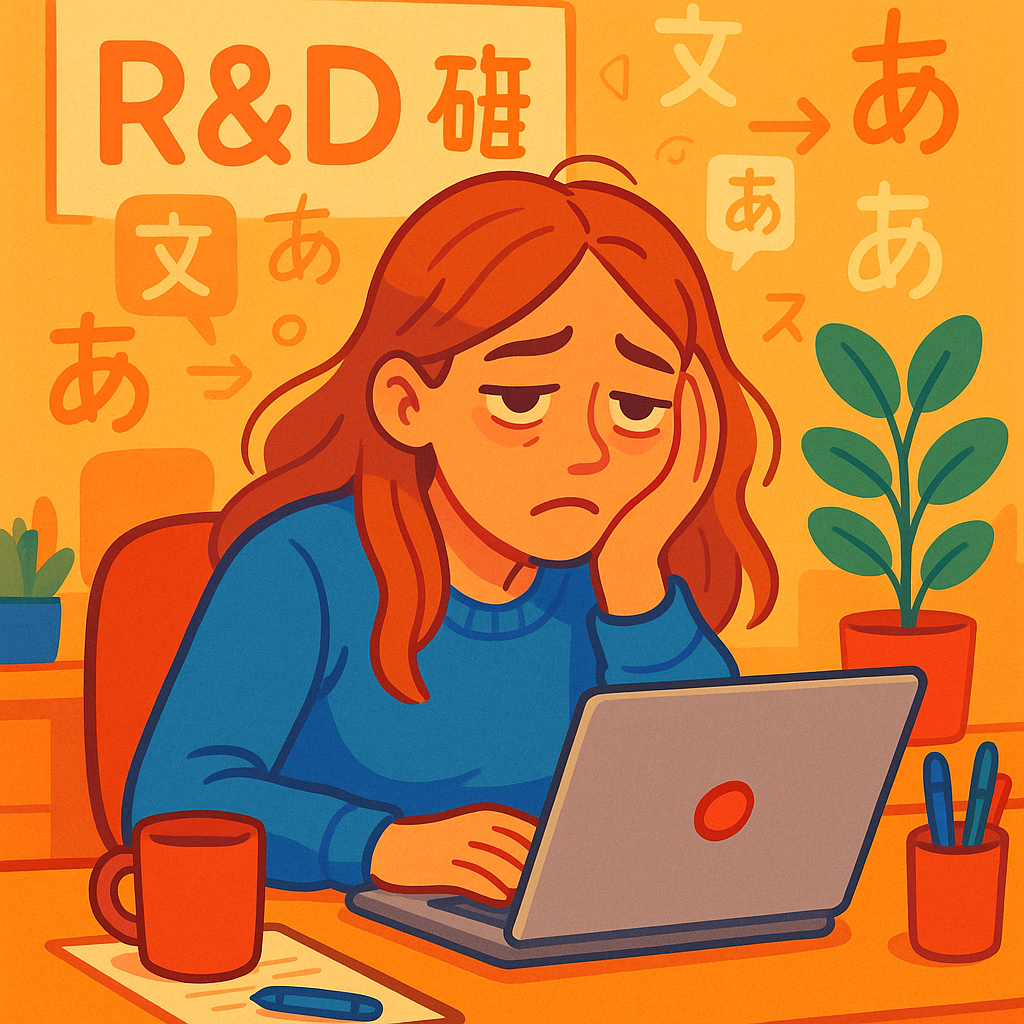
There's an unwritten rule in a lot of Japanese workplaces, and it has nothing to do with productivity.
You wait. You wait to eat until the right people are ready. You wait to leave until others start packing up. You stay a little longer than you need to, not because there's work, but because leaving first looks like you care less than everyone else.
Call it the togetherness tax. It's the time you pay, on top of your actual hours, to signal that you belong.
The tax is real, and so is the pressure to pay it. A senior calling you insincere isn't nothing. In a group-first culture, that word carries weight, and a new person feels it in the gut.
But here's what almost nobody tells the new arrival: paying the tax is a choice, not a law. It feels mandatory because someone framed it that way. It isn't.
If you're operating in your second or third language all day, you already know this. Your lunch break isn't a break if you spend it decoding Japanese small talk.
For a native speaker, eating with the group is rest. For you, it's overtime in disguise. Your brain has been running a live translation engine since 9am, and that engine needs to be switched off, not handed another hour of input.
So when you eat alone at noon, in silence, with your phone, you are not being antisocial. You're recovering, so you can function for the next four hours. That's not a character flaw. That's maintenance.
The coworker who can chat through lunch in his mother tongue genuinely does not understand the cost you're paying. He thinks he's inviting you in. He doesn't realize he's asking you to work unpaid.

Here's the part that took me too long to learn.
The whole system runs on one quiet assumption: that your coworkers are your community. That if you opt out of the lunch ritual and the staying-late ritual, you'll end up alone.
It's a bluff. Workplace harmony and real friendship are not the same thing, and confusing them is what burns people out.
Forced proximity is not connection. Sitting next to someone for nine hours because a shift schedule put you there is not the same as choosing each other. You can do every ritual perfectly, wait for every lunch, stay for every send-off, and still go home feeling like nobody actually knows you. Plenty of people do exactly that for decades.
Real friendship has a tell: it gives you energy instead of taking it. The lunch you're being pressured into takes energy. That alone should tell you what it is.
Worth saying plainly: the guy pushing you to conform usually isn't cruel. He's anxious.
Often he's the one who got teased during training for asking too many questions. He's white-knuckling the rules because the rules are the only thing making him feel safe. When he tells you that you're doing it wrong, he's mostly reassuring himself that his sacrifice, all those waited lunches and late departures, was worth something.
That's worth a little compassion. It is not worth your dinner, your evening, or your sanity.
You can be warm to him and still keep your boundary. "I get hungry early, so I eat at noon. See you back in the lab." Said kindly, repeated calmly, with zero guilt. Most pressure folds the moment it meets a person who simply isn't ashamed.

So if not work, then where?
The foreigners who feel genuinely at home in Japan almost never get there through their colleagues. They get there by building a life that work doesn't own. That's the whole reason leaving on time matters: the evening is where your actual life happens.
The cooking, the hobby, the run along the river, the friend who texts you a meme at 9pm. The people who choose you back. None of that grows inside a cafeteria you're pressured to sit in. It grows in the hours you protect.
And protecting those hours is exactly what the togetherness tax is designed to take from you. Every "just wait 30 more minutes" is 30 minutes stolen from the part of your day where real belonging is actually built.
Guard the evening. That's not selfish. That's strategy.
The honest gap is this: you can hold your boundaries perfectly and still be lonely, because protecting your evening only matters if there's someone to spend it with.
Make Japanese Friends On a Live World Map
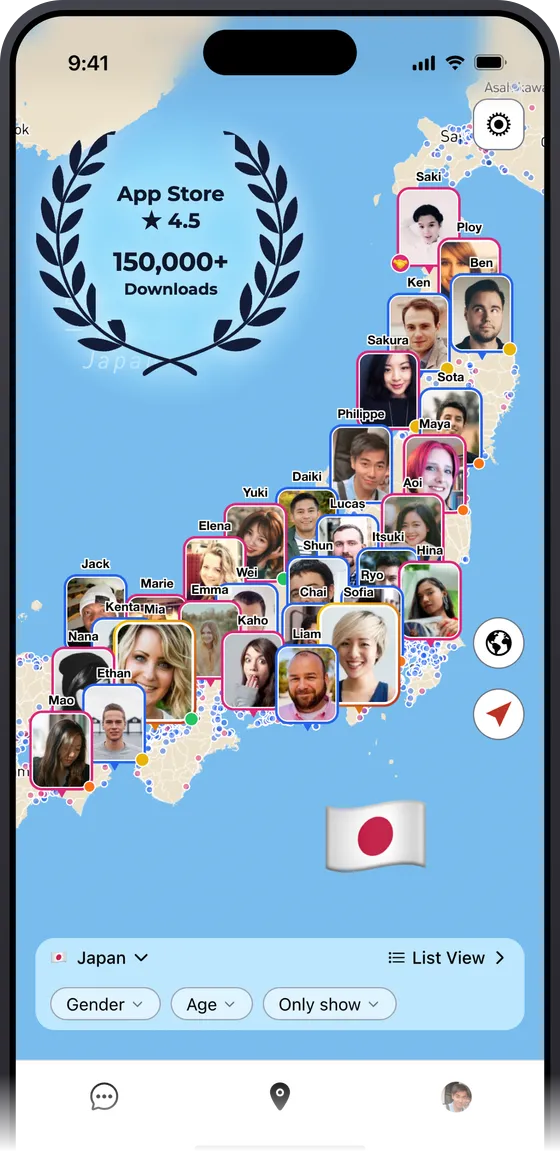
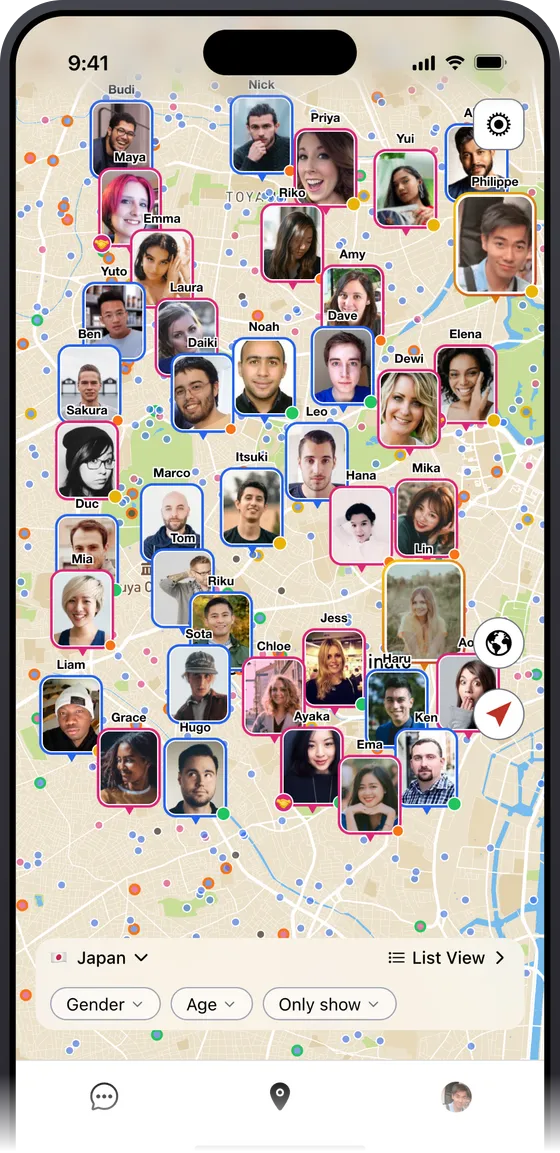
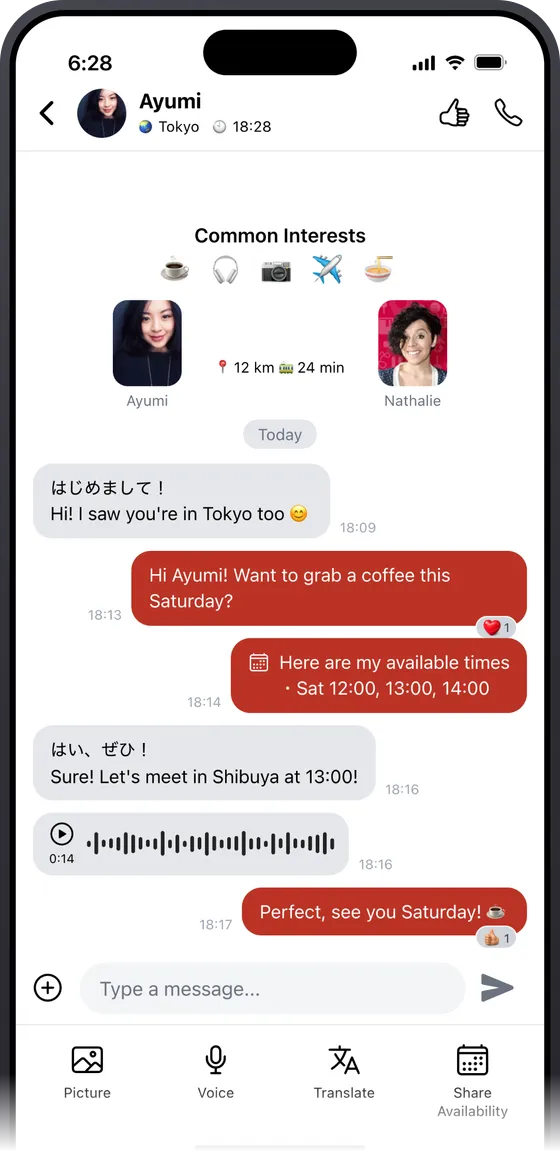


That's the part work was never going to solve for you, and it's the part SewaYou is built for. It's a map-based app that shows you who's nearby and actually open to meeting: other international residents in the same boat, Japanese locals who want international friends, language exchange partners who'd love to swap an hour of English for an hour of Japanese.
Connection you chose, with people who give energy back instead of taxing it. Not coworkers you were assigned, but the kind of friends who make leaving the office on time feel like the obvious move it always was.
You don't owe your lunch break to anyone. Eat when you're hungry, leave when you're done, and spend the hours you saved on people who are genuinely glad you showed up.


