

Imagine you're about to leave Japan, and the goodbye you're overthinking is at your usual café. The staff recognize you. Those little conversations have given you somewhere to practice Japanese without feeling like you're taking a test.
You want to say thanks. Then you start searching for gift etiquette, and a small box of biscuits suddenly feels like a diplomatic incident.
My take: gratitude shouldn't require you to master an entire country's customs first. A modest thank-you gift can be a thoughtful option, provided the café allows it and the people receiving it have an easy way to decline. A sincere goodbye works too.
“Is it okay to give café staff a gift in Japan?” sounds like a question with one national answer. But the useful question is whether this particular workplace can accept one.
Ask about the shop's policy before buying anything if you're unsure. During a quiet moment, try: “I'm leaving soon and wanted to bring a small thank-you for the team. Are staff allowed to accept food gifts?” You can prepare a translation on your phone if you need it.
That gives them something concrete to answer. It also leaves room for practical concerns you wouldn't otherwise know about, such as rules about accepting items from customers.
If they say they can't accept gifts, take that answer kindly. You can still tell them that their patience and conversation made your time there better. The appreciation doesn't disappear because a box stays in your bag.

If the café says food gifts are welcome, small and shareable works best as a practical starting point. Think of an ordinary box of commercially packaged biscuits or sweets, rather than an expensive present chosen for one person.
Individually wrapped portions let staff take something later, including people who aren't working when you visit. Choose something that keeps at room temperature and comes with an ingredient label. Familiar sweets from home can add a personal touch without turning the handover into a big event.
A label doesn't guarantee that everyone can eat the contents. If you know about an allergy or dietary restriction, take it seriously, and don't guess about whether a product is suitable. Nobody needs to taste something in front of you to prove they appreciate it.
For this kind of workplace thank-you, I'd skip homemade food, anything that needs refrigeration, and gifts that feel expensive enough to require a response. Those choices add storage, ingredient, or social questions to a gesture meant to be simple.
There isn't a magic amount you need to spend. Choose something modest enough that you'd be comfortable leaving it for the team without receiving anything back.
If food feels complicated, ask whether you can leave a card for everyone. Specific thanks carry the meaning, even when the message is only a few lines long.
What did you appreciate? Being greeted when you walked in? Having time to find a word? A friendly question on a day when you hadn't spoken to anyone?
Here's a sample you can adapt to what actually happened:
To everyone at the café, thank you for making my visits such a lovely part of living here. I really appreciated your friendly conversations and your patience with my Japanese. I'm leaving soon and wanted to say how much that meant to me. Wishing you all the best!
Write in English if that's a language you share, or have a short version translated and checked by someone you trust. Clear, honest wording is enough. You don't need to turn the card into a formal speech or claim a closer relationship than you have.

Choose a quiet moment, keep the explanation brief, and say the gift is for the whole team. You could use: “This is a small thank-you for everyone. I've really enjoyed coming here.”
The goal is a goodbye without an obligation. Let staff put the gift aside and return to work. They don't need to open it immediately, gather everyone for a reaction, or pose for a photo.
If someone declines or seems unsure, don't try to win them over. “Of course, no problem. I just wanted to say thank you” gives the moment a comfortable ending. You can feel a little disappointed and still respect the answer.
If they accept, let that be enough too. A brief response during a shift doesn't tell you how much the gesture meant. You offered appreciation, and they still have a café to run.
One reason these goodbyes can feel surprisingly emotional is that a familiar counter can become part of feeling at home. When you're learning a language, being recognized and having an ordinary chat may matter more than the other person realizes.
Warmth can coexist with boundaries. Staff can be kind while maintaining a professional relationship. Your gratitude can be sincere without requiring that relationship to become an off-duty friendship.
Keep a thank-you separate from requests for personal contact details, future meetups, or extra language practice. A gift shouldn't make someone feel they owe you more access to their time.
And if saying goodbye makes you realize how much you've relied on those short conversations, pay attention to that. It may be a useful nudge to find more people who have chosen to spend time chatting with you outside work.

You can cherish your regular café and also want friends you can invite for a walk, trade language questions with, or text about an ordinary day. Give friendship its own space, whether you're staying in Japan or preparing for your next chapter.
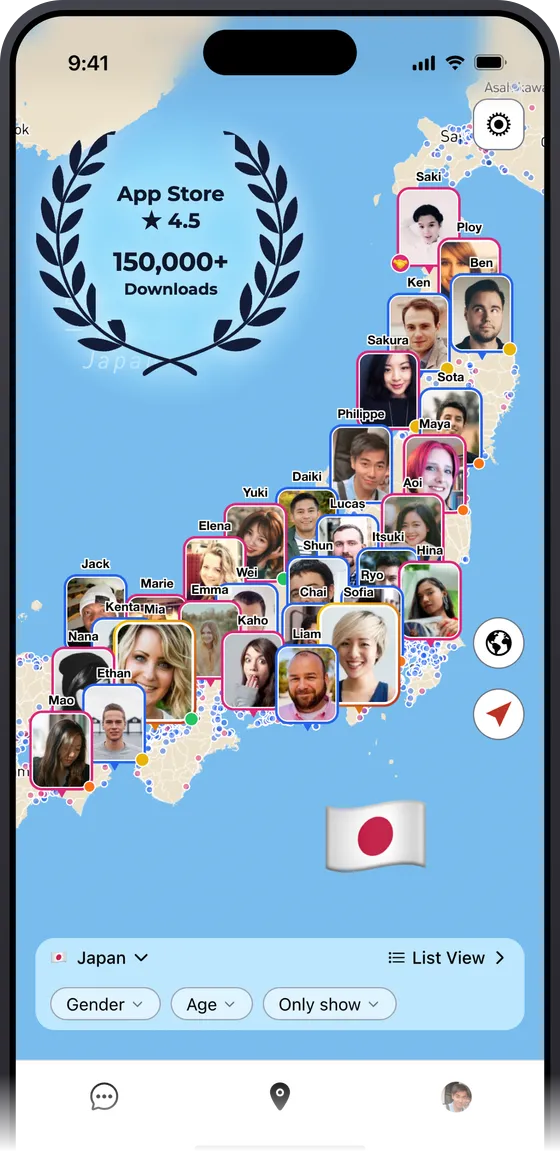
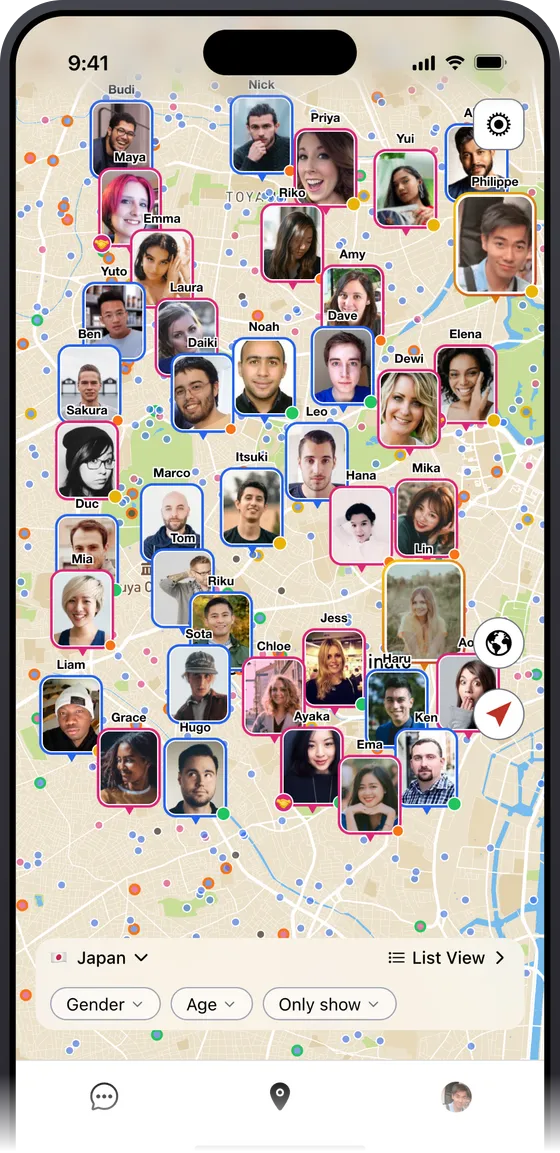
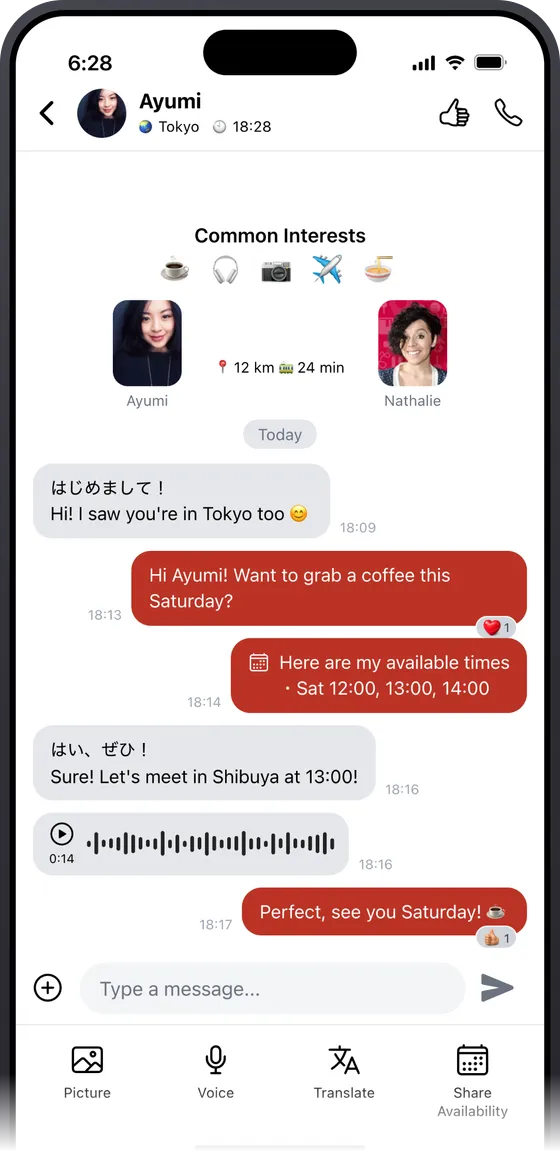
SewaYou is a map-based app for finding nearby people for friendship and language exchange. Use it to look for someone interested in a relaxed conversation, then suggest a simple plan you both want to join.
Make Japanese Friends On a Live World Map


Your goodbye to the café can stay small: a permitted gift, a card, or a few sincere words. What matters is telling people what you appreciated and leaving them free to receive it in their own way.
Ready to make another everyday connection? Download SewaYou and find someone nearby to share a conversation with.


