

Picture this: you ask a question at a counter in Japanese. The answer goes to the Japanese friend standing beside you. You answer the next question yourself, but somehow your friend remains the person getting the explanation.
Nothing dramatic has happened. You might even finish the errand successfully. So why can it leave you feeling small for the rest of the afternoon?
Because completing a transaction and being included in it are different things. You wanted to borrow a book, sign up for something, or ask about a service. You also expected to be treated as the person doing it.
The exhausting question is often, "Was that prejudice, or am I overthinking it?" You replay the eye contact, the tone, and whether your Japanese sounded hesitant. Suddenly a two-minute interaction has become homework.
There are several possible explanations. Someone might assume your companion will translate, misunderstand who needs help, or make an unfair assumption about your language ability. From one exchange, you may not know which explanation fits.
But uncertain intent, observable behavior is a useful distinction. You can identify that someone kept addressing your companion without claiming to know what was in their head. And you can ask them to address you directly without first winning an argument about their motives.
Being tired can make an awkward interaction sting more. That does not mean the awkwardness was imaginary.

Learning Japanese gives you more ways to ask questions, clarify a misunderstanding, and handle errands independently. Keep learning if that matters to you. It is frustrating, though, when the advice for every uncomfortable encounter is simply to study harder.
If you are already asking and answering the relevant questions, the remaining problem may be attention, not another vocabulary gap. You cannot practice someone else's eye contact at home.
Needing help with an unfamiliar term does not change that, either. You can ask your friend to explain one word and still remain the person making the decision. Help should make participation easier, not quietly replace it.
In the moment, a short request can be easier than explaining the whole emotional history. The aim is to redirect the next exchange toward you.
Here are three English versions you can adapt into the Japanese you comfortably use:
Choose the one that matches what you actually need. You do not have to announce your test level or prove how many years you have lived in Japan.
If there is a separate misunderstanding about a rule, deal with that separately: clarify what happened and ask what the staff need you to do. A mistaken warning and being spoken around can feel connected, especially on a rough day, but each may need a different response.
If the person redirects their attention, you can let the errand continue. If they repeatedly ignore a clear request, you can ask another staff member for help or give factual feedback afterward. Describe what happened and what you requested, rather than guessing why they did it.

A friend or partner may answer because they want to help or get the errand finished. They might not notice that each helpful answer makes it harder for you to get back into the conversation.
Talk about it outside the awkward moment. Try: "I'd like to handle the questions myself. If they ask you, could you point them back to me? I'll ask when I need help."
The useful agreement is support without taking over. Your companion can pause before answering, look toward you, or say, "They're handling this themselves. Please ask them."
You can also agree on when you do want help, especially if the details matter or you are tired. Independence does not require refusing assistance, and going alone is an option rather than a test you have to pass.
Afterward, it helps to separate three things: what you observed, what you think might explain it, and what you want next time. "They answered my friend twice" is an observation. "They assumed I couldn't understand" is an interpretation, even when it feels plausible.
This is a way to keep the facts and feelings, without forcing either one to do the other's job. You can be annoyed while leaving the explanation open. You can also notice a repeated pattern without treating every future interaction as already decided.
With a friend, you might ask, "Did you notice who they were looking at?" Or simply say, "I don't need an explanation right now. I just want to vent for a minute."
You do not owe every uncomfortable encounter an investigation. Sometimes you want to finish the errand, eat lunch, and get on with your day.

An awkward counter interaction can feel especially heavy when it is one of your few conversations that week. It helps to have other places where people know your interests, remember what you said last time, and want to hear your answer.
Look for people who make room. A friend who waits while you find a word. A language partner who asks your opinion. Someone you can discuss books with instead of spending the whole conversation explaining your life in Japan.
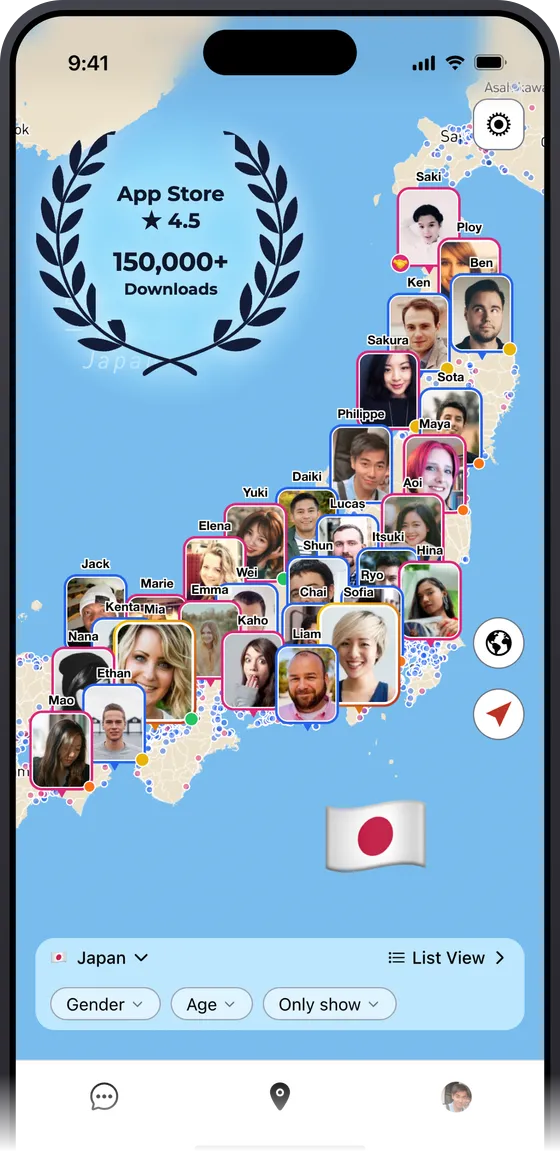
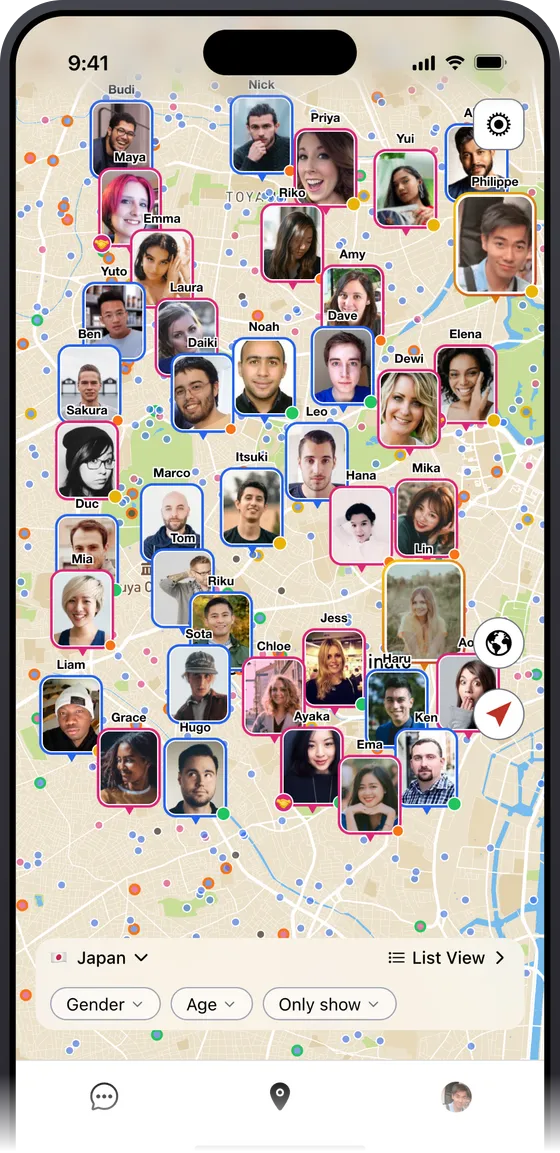
SewaYou is a map-based app for meeting people nearby for friendship and language exchange. If you want more everyday conversations with locals and fellow international residents, start with someone who shares an interest you actually enjoy.
Make Japanese Friends On a Live World Map
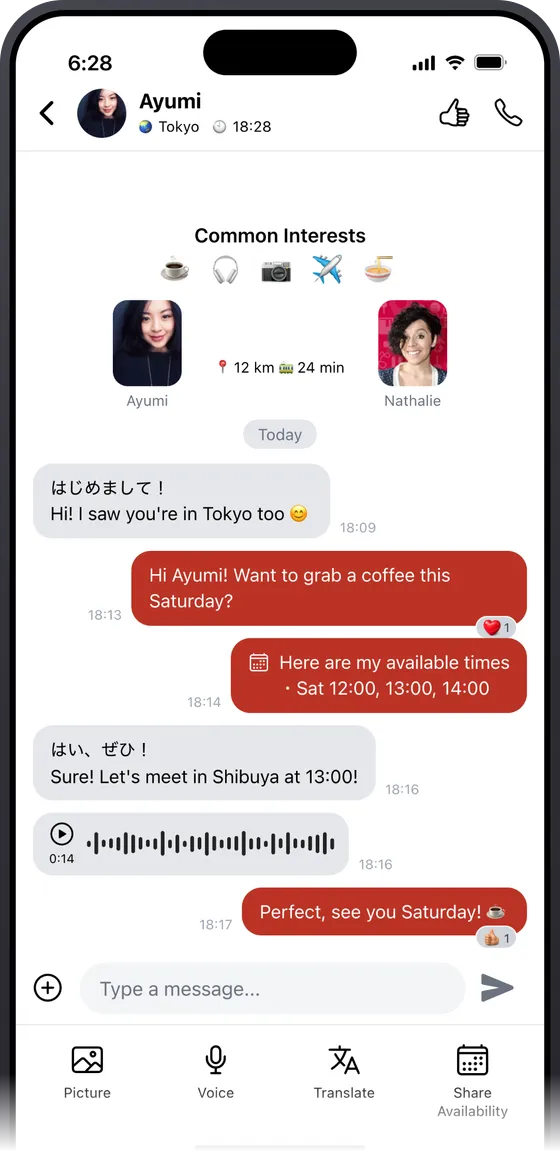


Friendship will not fix every assumption a stranger makes. It can give you more moments where being heard feels ordinary. Send a simple invitation, such as, "Want to grab a coffee and talk about what we're reading?"
Download SewaYou and find someone nearby to start that conversation with.


