

A haircut sounds like a small errand until you have to explain exactly what you want in another language. Suddenly you're choosing reference photos, rehearsing a sentence, and wondering whether “just a little” means the same thing to both of you.
Finding a hair salon in Japan can become one of those unfinished settling-in tasks. You might manage work, housing, and train transfers while still putting off an appointment that should feel ordinary.
My take: the best place to start is figuring out what would make you comfortable returning. English might be part of that. So might experience with your hair, a realistic styling routine, and someone who pauses when you have a question.
An English-speaking stylist can make a consultation easier. But shared language is one ingredient in a good match.
You also want someone whose work fits your hair and the service you need. A recommendation for a short straight cut doesn't tell you much about tight curls, a particular fade, or color work on previously treated hair. That isn't a judgment about the stylist's nationality. It's a reason to look at their actual work.
Before booking, look for portfolio examples with a texture, length, and result relevant to you. Check which stylist created them, rather than assuming every person at the salon offers the same services.
If you can't find examples, ask directly. “Do you have photos of cuts you've done on hair similar to mine?” is a useful question, even if you need a translation tool to send it.
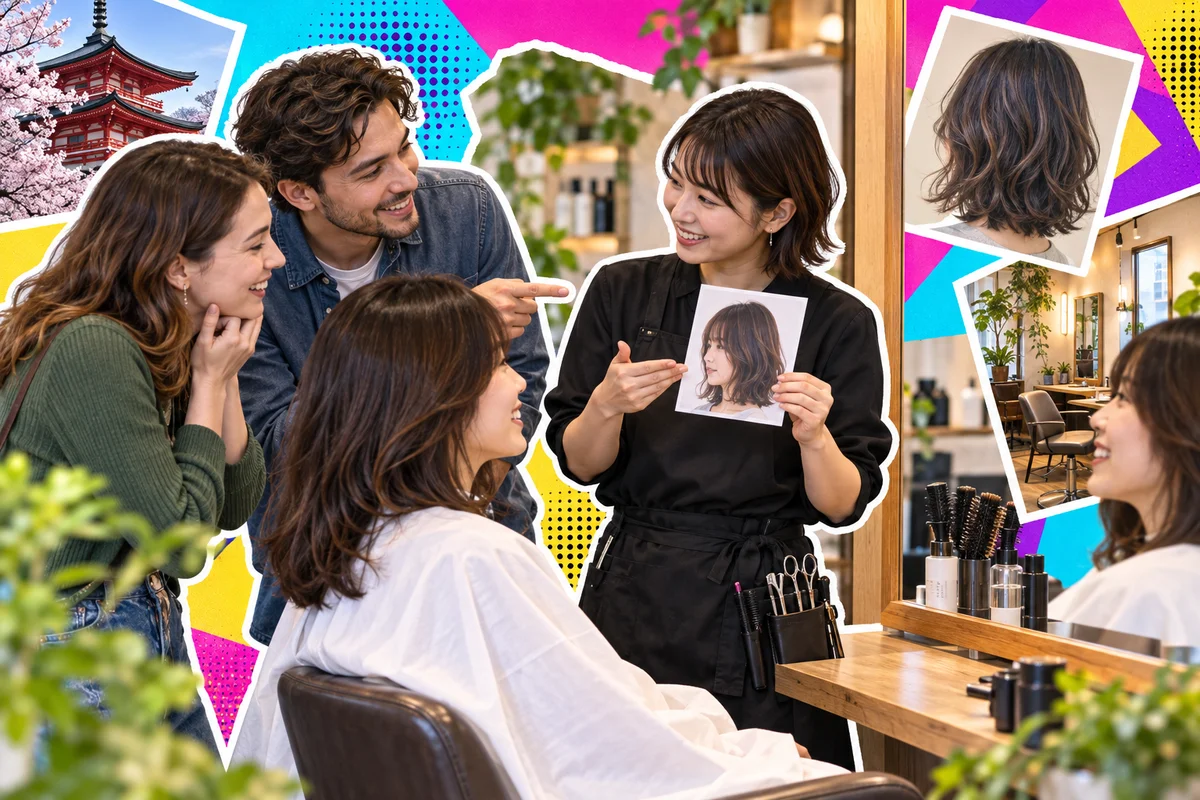
“Something easy” sounds clear until you realize one person means air-drying and the other means ten minutes with a round brush. Make the limits visible before the appointment gets going.
Choose a few reference photos and identify what you like in each one. Is it the length around the face, the shape at the back, or the way the hair sits without styling? A photo of your own previous haircut can be especially useful if it shows a result you want again.
Prepare a short note that covers four things:
For example: “I want to tidy the shape and keep enough length to tie it back. I usually let it air-dry. Please show me how much you suggest removing before you start.” Adapt that to your hair and have the note translated if needed.
A photo is a starting point for discussion, not a promise of an identical result. Ask what would need to change for your hair and what maintenance the style would involve. Confirm the planned service and total price before agreeing to it.
You don't need salon vocabulary for every technique to say that you're unsure. Permission to pause matters just as much as getting the first explanation right.
Try a simple request at the consultation: “Could you show me the length you plan to cut, and check with me before going shorter?” If keeping weight in your hair matters to you, say that too and ask before any thinning starts.
Then pay attention to the response. Does the stylist explain the plan in a way you understand? Can you ask a follow-up question without feeling hurried? If something seems unsuitable, do they explain why and offer another option?
You can appreciate someone's expertise and still need clarification. If you remain uncertain, it's reasonable to keep discussing the plan, choose a smaller change, or postpone the service. An appointment isn't a test of how agreeable you can be.
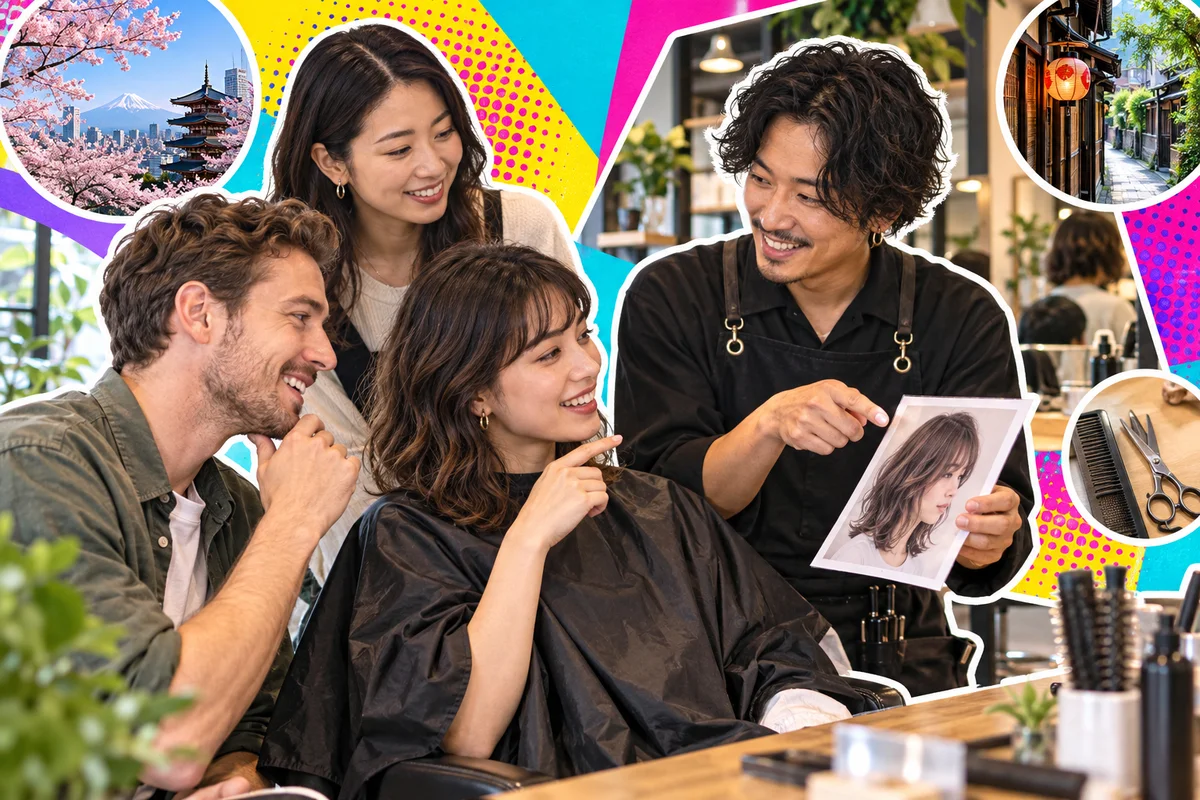
“Do you know a good hairdresser?” is a fair opening. Ask what worked for them to make the answer useful for you.
A friend may love the quiet atmosphere. Another may value a stylist who talks through color options. Someone else might return because the cut still feels manageable after washing it at home.
Follow up with a few specific questions: Which stylist did you book? What did you have done? How did you explain what you wanted? What was the result like when you styled it yourself?
Share your own priorities too. “I'm looking for someone comfortable with my curl pattern who will discuss the cut before starting” gives a friend much more to work with than “somewhere foreigner-friendly.” You can also ask people with similar hair through a local community group, while checking recommendations against the stylist's portfolio.
There doesn't have to be one salon that works for every international resident. You're looking for a person and a process that suit you.
After an appointment you like, save your own reference. Note the stylist's name, what you booked, what you asked for, and what you would adjust next time.
Take a photo if you're comfortable, including one after you've washed and styled your hair yourself. That gives you something concrete to discuss at the next visit, beyond trying to remember what “a bit shorter last time” looked like.
You can like the overall result and still ask for an adjustment in the future. Familiarity is useful because you can build on a conversation instead of starting every appointment from zero.
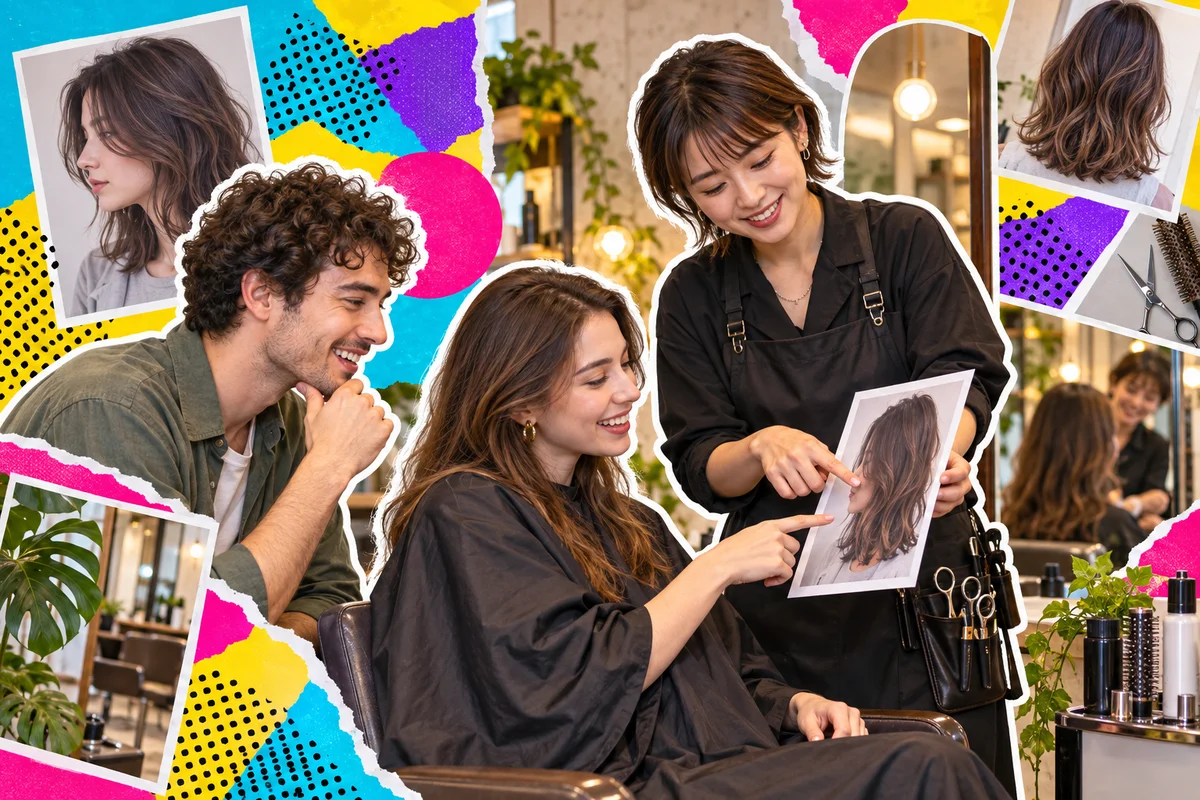
A reliable haircut might seem unrelated to friendship. But knowing someone you can ask about an everyday problem can make a place feel easier to live in. You get to compare notes instead of solving every small mystery alone.
SewaYou is a map-based app for meeting nearby people through friendship and language exchange. It gives you a place to look for local conversation partners and friends you can get to know over coffee, walks, and the ordinary details of life in Japan.
Make Japanese Friends On a Live World Map
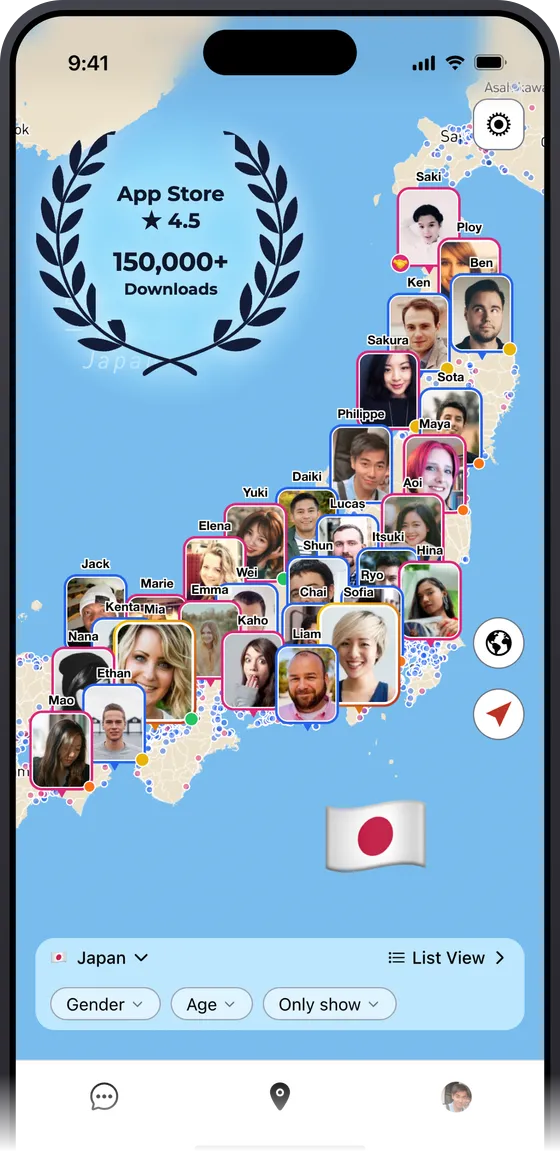
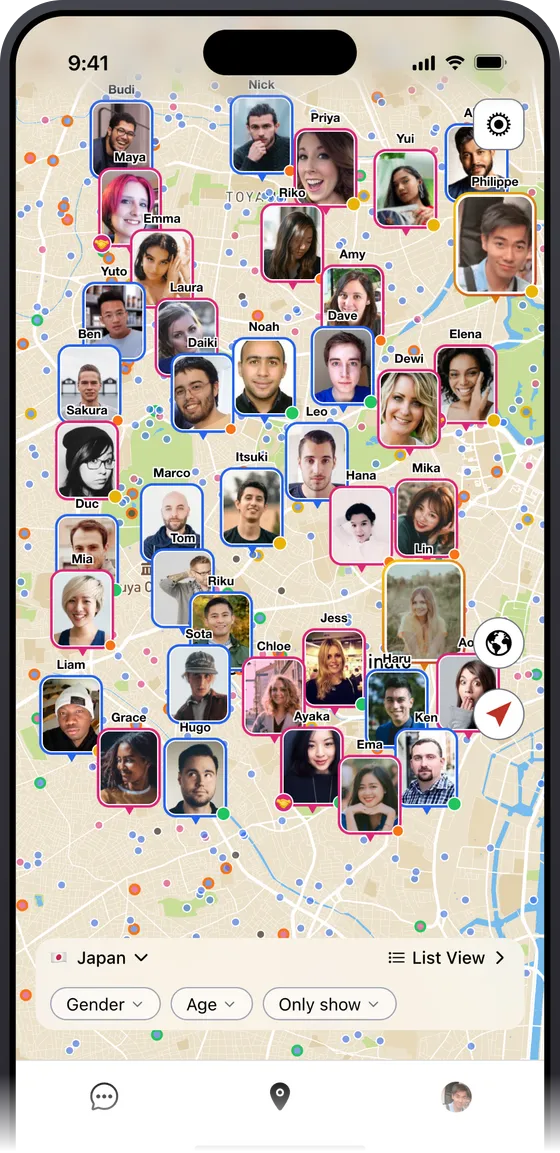
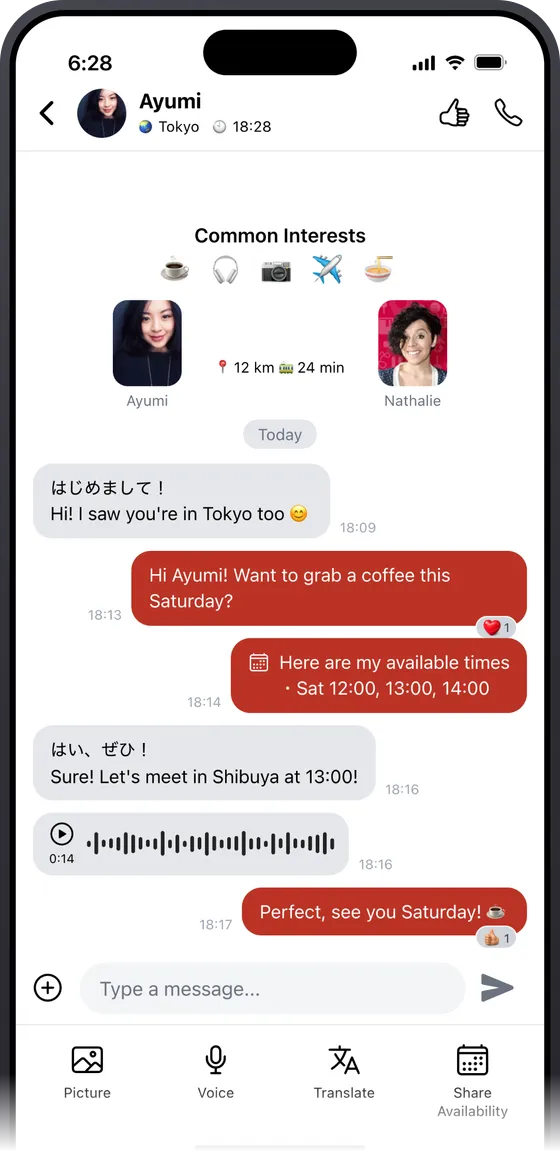


Start with a real conversation. Ask about someone's neighborhood, share a place you enjoy, or suggest a relaxed language exchange. Salon recommendations can come up naturally as you get to know each other, without making a new friend responsible for sorting out your errands.
You deserve a haircut you feel comfortable asking for, and people nearby you feel comfortable talking to. Download SewaYou and make room for one more everyday connection.


