

Picture someone who did everything right. They followed a partner to a quiet part of Japan, somewhere far from Tokyo, somewhere with real winters and small towns spread out between bigger ones. They got the spouse visa that lets them work without sponsorship. They spent a year and a half learning Japanese. They even went out and earned heavy machinery licenses because that is what the local economy actually uses.
And months later, still nothing. No job, too much empty time, and a quiet sentence underneath all of it that has nothing to do with employment: I feel so alone. That sentence is the real story. The job hunt is just the part that is easy to talk about.
In a big city you can almost brute force a job search. There are listings, agencies, English-friendly recruiters, whole apps built for foreigners looking for work. You apply to forty things and a few reply. It is grim, but it is a system you can push against.
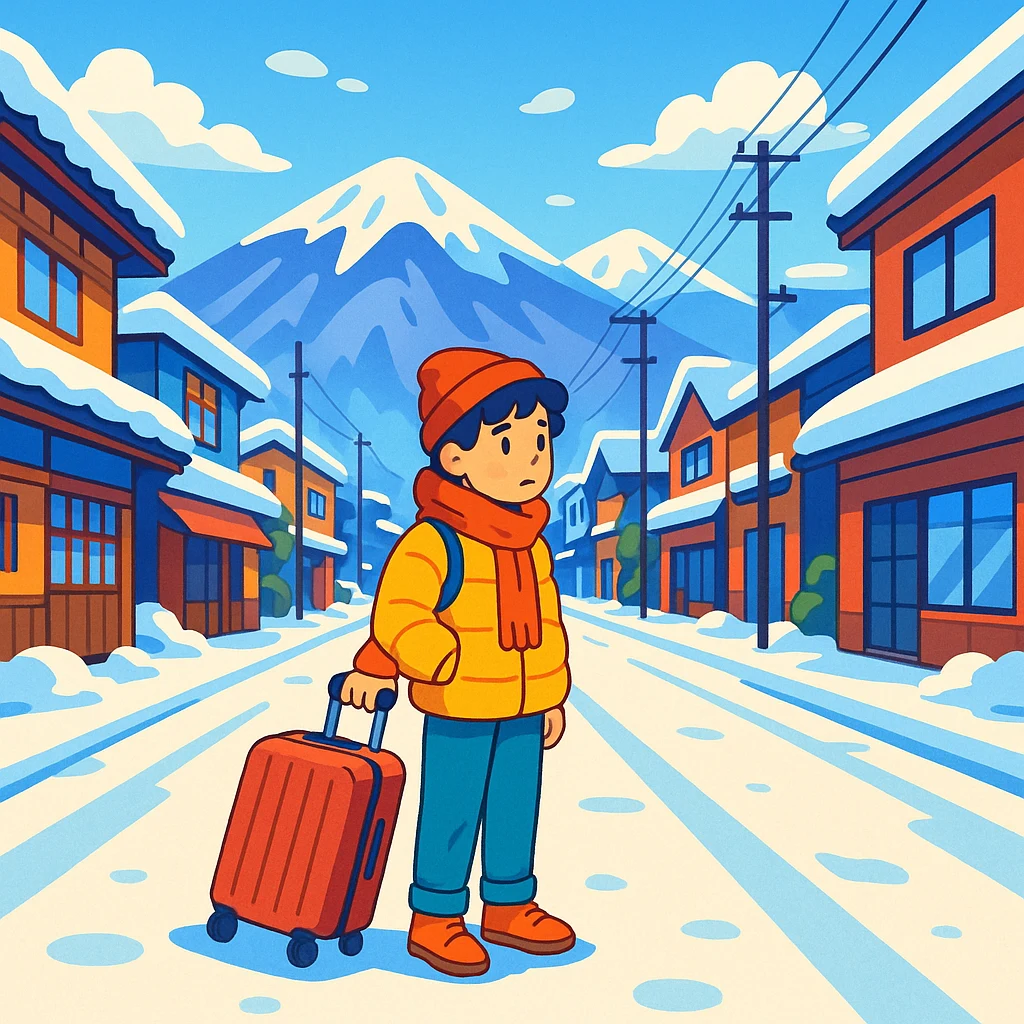
A small town an hour from anywhere does not run on that system. The farm that needs another pair of hands, the warehouse that is short-staffed for the season, the tourism spot that wants someone who speaks English, these places rarely post anything. The work moves through people. Someone mentions you to someone, a neighbor vouches, a regular at the same shop says they know a guy. The job goes to a face, not a CV.
So you can have every license and every legal right to work, and still be invisible, because hiring out there is not a database you query. It is a network you are inside of or you are not. And when you just arrived, you are not.
There is a specific loneliness that comes from relocating for a partner's job. Their days have shape from the first morning. A building to go to, coworkers, a reason to be somewhere, a built-in set of people. Yours have none of that. You are the one who followed, and the structure that organizes the household is not yours.
So you fill the time the responsible way. You study the language, you get the qualifications, you keep busy on purpose. But busy is not the same as connected. You can do everything productive and still end the day having spoken to no one who is simply yours. All that free time and no one to spend it on.
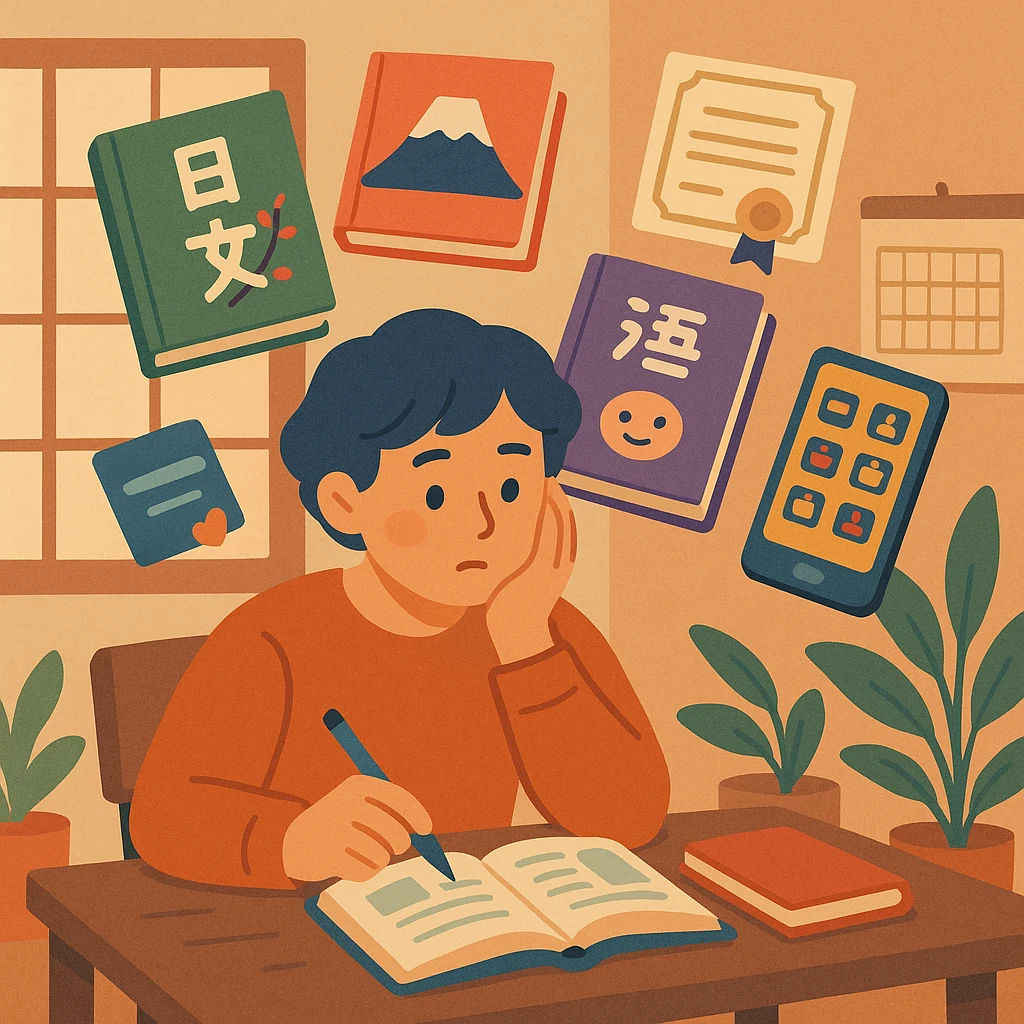
That is the quiet weight of it. Not the missing paycheck on its own, but the sense that you have been set down in a place that does not know you exist yet, while the person beside you already has a whole world.
Here is the thing that took me a while to see. The job hunt and the loneliness are not two separate struggles you are unlucky enough to be facing at once. In a small Japanese town they are the same struggle wearing two faces.
You cannot find work because you have no local network. You feel alone because you have no local network. The missing ingredient is identical. You need humans nearby who know your name. Solve that, genuinely solve it, and you do not just feel better. You also become the kind of person a job actually reaches, because now there is someone to mention you, vouch for you, hear about the seasonal opening before it is ever posted.
This is why pouring more hours into applications can feel like running in place. You are working the symptom. The root is that nobody in a ten kilometer radius has any reason to think of you, and no amount of polished resume fixes that. People do.
The honest difficulty is that building a local network from zero is exactly the thing that feels impossible when you already feel like an outsider. The usual apps do not help, because they hand you endless messaging with strangers in cities you will never visit. That is not a network. That is a phone.
What changes things is one real person who is genuinely close to where you live. Not a username three prefectures away, but someone in your own town or the next one over who you could actually meet for a coffee. One nearby person introduces you to their world, and a town you only drive through slowly becomes a place where people know you. That is how both the loneliness and the eventual job get solved, through the same handful of real faces.

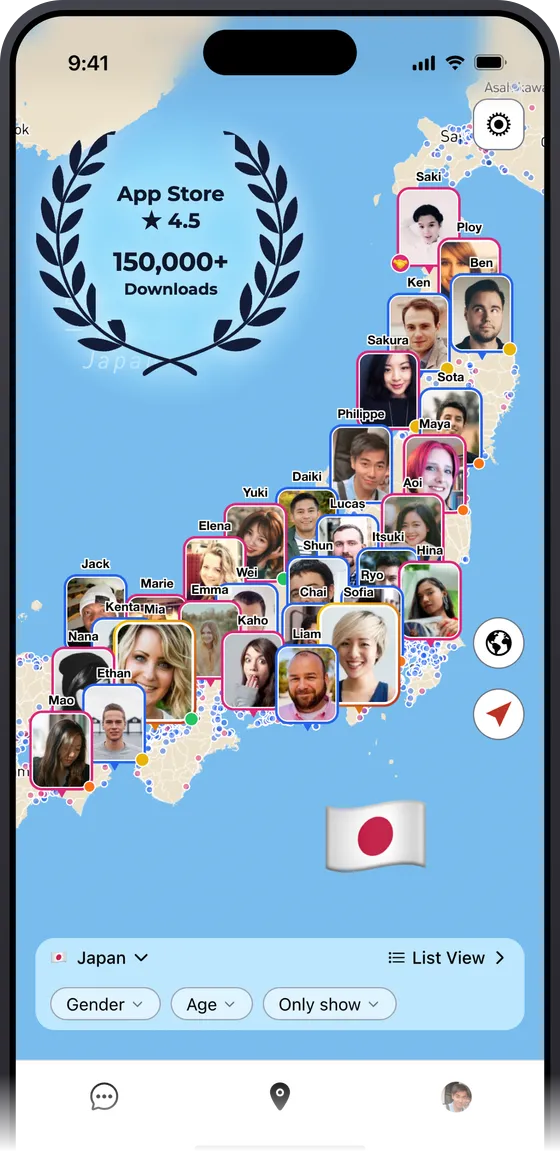
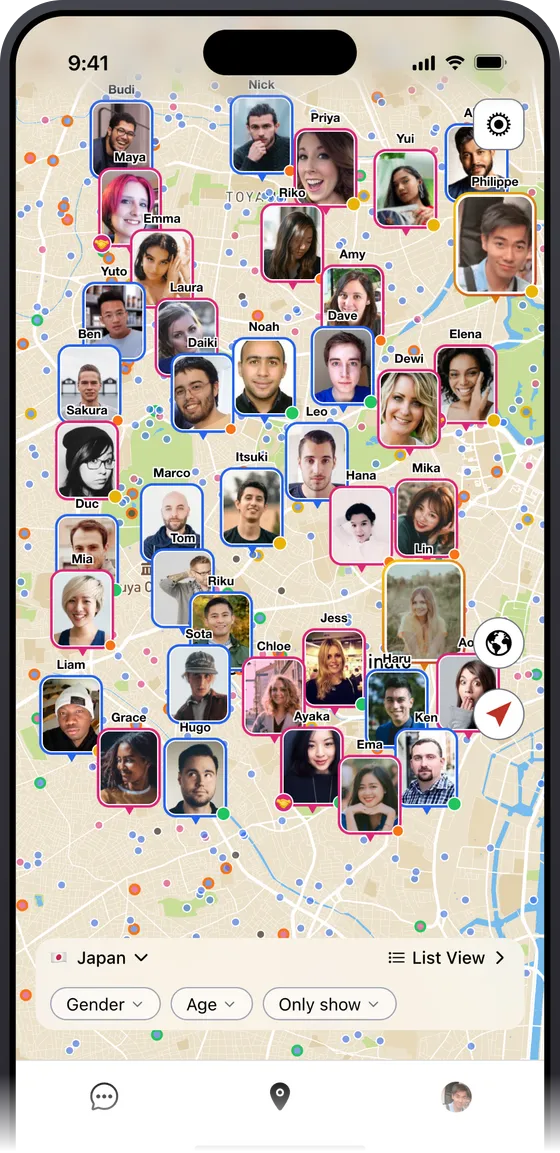
SewaYou is a map-based app that shows you real people near you who also want to meet new friends. You set the map to your own area, even a quiet one far from the big cities, and you find locals and fellow residents who are actually close by instead of a list of names scattered across the country. You can also explore anywhere on the world map. When you focus on your own area, the people you discover are people you could realistically see again, which is the entire point when you are trying to put down roots somewhere new.
Make Japanese Friends On a Live World Map
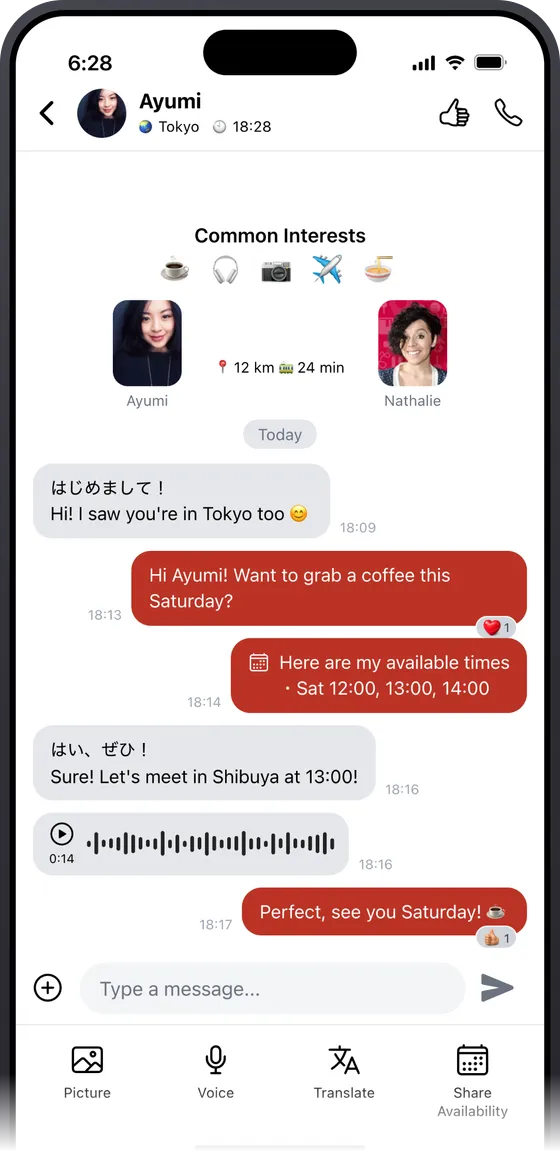


So if you are in a small Japanese town with the visa, the licenses, the willingness, and still nothing is landing, stop treating it as purely a job search. Treat it as a network you have not built yet. Open the map to your own area tonight, read a few honest profiles, and message two people who live near you. The work tends to follow the people. And even before it does, you will have stopped being the person who feels so very alone.
For making your first local friends in Hokkaido's biggest city, How to Make Friends in Sapporo as a Foreigner in 2026.
For the empty-days side of following a partner abroad, When Your Days in Japan Feel Empty: A Life Outside Your Partner's Job.


