

You meet someone in Japan. The conversation goes well. As you part ways, they smile and say, "Let's grab a drink sometime!" or "Come visit anytime, I'll show you around."
And then... nothing. No date, no follow-up, no drink.
If you're new to Japan, this moment is genuinely confusing. Was that a real invitation? Should you follow up? Would following up be weird? Is silence rude?
I went through this exact loop my first year in Japan. A person I'd only known professionally warmly offered to show me around and take me out for drinks. I spent days wondering whether replying enthusiastically would make me look naive, or whether ignoring it would make me look cold.
Here's the thing nobody tells you when you arrive: in Japan, an invitation is sometimes a sentence, not a plan. And once you understand the system behind it, the confusion mostly disappears.
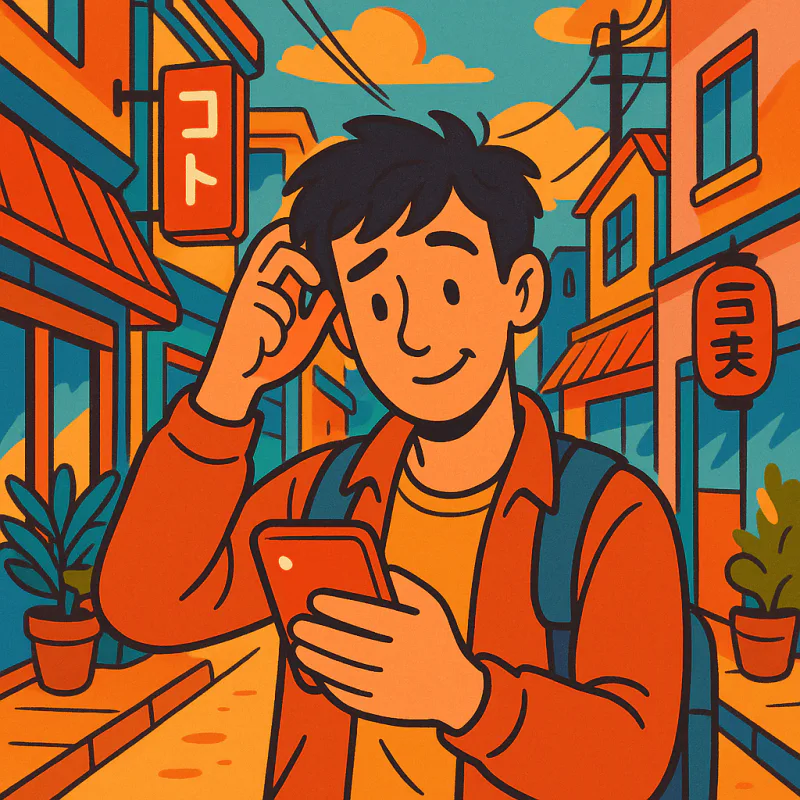
Japanese has a word for this: 社交辞令 (shakou jirei), which roughly means "social pleasantries." It's the category of warm, friendly statements whose main job is to end an interaction on a good note, not to schedule anything.
"Let's get lunch sometime." "Come by whenever you're in the area." "We should definitely do this again."
In many Western cultures, saying this without meaning it would feel fake. In Japan, it's closer to social lubricant. The speaker is saying: I value this relationship, I want to part on warm terms, the door is not closed. Whether an actual lunch ever happens is a separate question entirely.
This isn't dishonesty. It's a different protocol. Japanese culture distinguishes between honne (what you really feel) and tatemae (the polite public face), and both are considered legitimate, even kind. A vague invitation preserves harmony, keeps the relationship warm, and commits absolutely no one to anything.
The problem is that nobody hands you the protocol manual when you land at Narita.

So how do you tell a genuine invitation from a pleasantry? After years of getting this wrong in both directions, I can tell you it comes down to one word: specificity is the whole game.
A polite invitation is vague by design. "Sometime." "Whenever you're around." "One of these days." There's no date, no place, no next step. Vagueness is the feature, because it lets both sides feel good without creating an obligation.
A genuine invitation has edges. "Are you free next Friday?" "There's a good izakaya near the station, how about the 15th?" "I'll message you next week to set something up." When someone proposes a concrete time, names a place, or follows up unprompted a few days later, that's real.
A few more tells that an invitation is genuine:
And signs it's probably shakou jirei: it appears only at the very end of a conversation, it's phrased entirely in "sometime" language, and it arrives at a moment when politeness is socially expected, like after a farewell, a rejection, or a goodbye email.
Here's the part most guides skip. You don't actually have to figure out which one it is. There's a move that works in both cases, and I use it constantly.
Respond warmly, then gently return the ball with something concrete. Something like: "I'd really enjoy that! I'm usually free on weekends, let me know what works for you."
Now watch what happens. If the invitation was genuine, they'll grab the opening and a real plan will form within a message or two. If it was a pleasantry, they'll respond with equal warmth and equal vagueness, something like "Yes, definitely, sometime!" and the conversation will softly close.
Both outcomes are fine. Nobody is embarrassed, nobody is rejected, and you got your answer without ever asking the awkward question. This is exactly how Japanese people navigate it with each other.
What you should not do is ignore the message entirely. Even if you suspect it's pure politeness, politeness deserves politeness back. A short, warm reply costs you nothing and keeps the door open. People's situations change, and the acquaintance who offered a vague drink this year sometimes becomes a real friend two years later precisely because you stayed warmly in touch.

I've watched a lot of foreigners hit this wall and draw the worst possible conclusion: "Japanese people are fake, they invite you and never mean it."
That conclusion quietly poisons your whole experience of the country. You stop responding to warmth because you assume it's hollow. You stop extending invitations because you fear they'll be read as empty. And slowly, you end up isolated in one of the most socially rich countries on earth.
The truth is the opposite. The warmth is real, the plan is optional. Once you accept that, you stop taking vagueness personally and start noticing how many of those soft invitations can be converted into actual friendships with one concrete follow-up.
The foreigners who build great social lives in Japan aren't the ones who learned to detect fake invitations. They're the ones who learned to be the person who proposes the date, the place, and the time. In a culture where everyone is being carefully non-committal, the person who suggests a concrete plan wins.
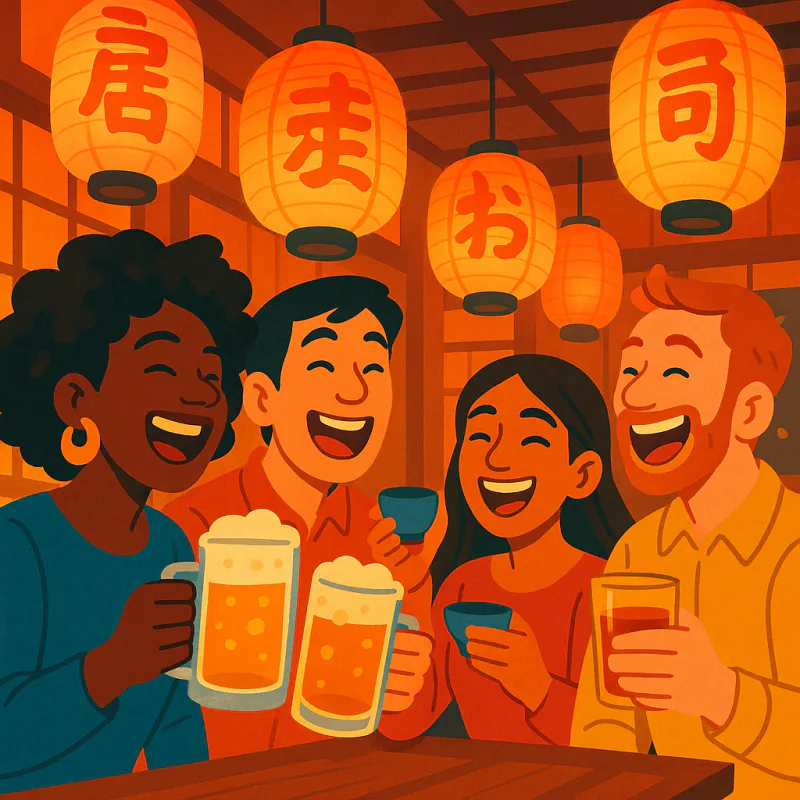
That said, I get it. When you're new here, lonely, and unsure of the rules, spending your energy decoding every "sometime" is exhausting. Sometimes you just want to meet people who unambiguously want to meet you.
That's exactly why I recommend SewaYou to people who've just arrived in Japan. It's a map-based app where you see locals and foreigners near you who are explicitly there to make friends and do language exchange. Nobody on SewaYou is being polite at you. If someone messages you, they actually want to talk. If someone suggests a coffee, they actually mean coffee.
Make Japanese Friends On a Live World Map
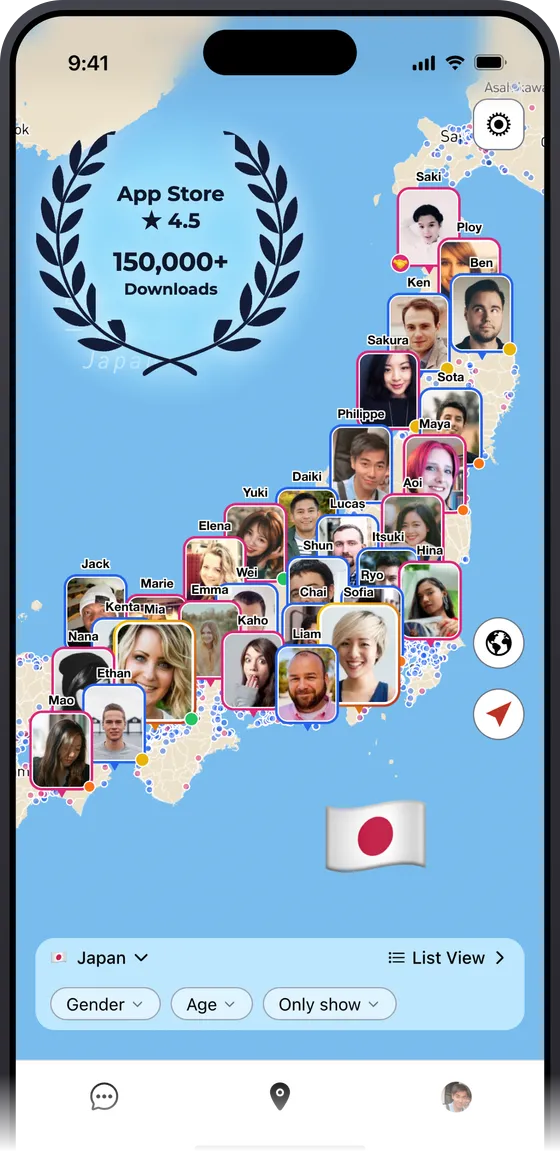
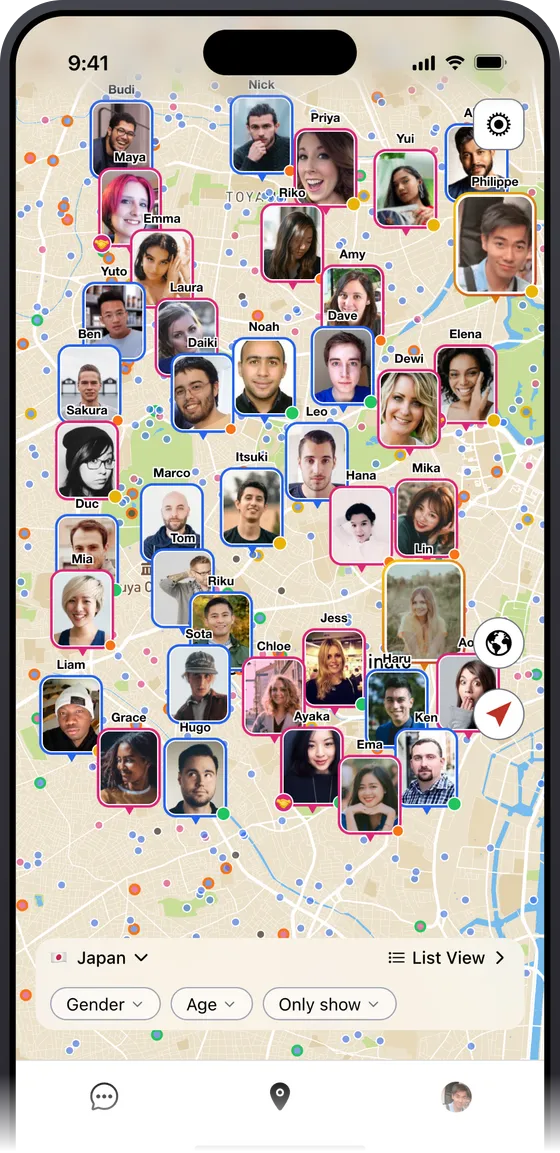
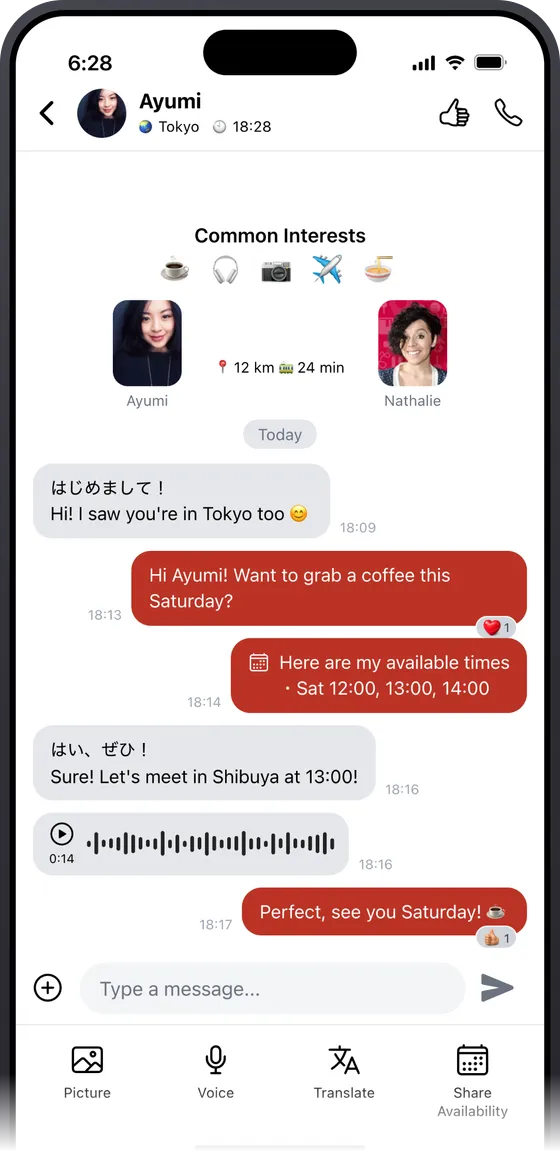


No tatemae to decode, no guessing whether the invitation was real. You start from mutual intent, and the friendship grows from there. Several people I know made their first genuine Japanese friends this way, then used those friendships to practice exactly the kind of social judgment this article is about.
So next time someone tells you "let's grab a drink sometime," smile, reply warmly, and toss back a concrete plan. Worst case, you exchanged some pleasantries like a local. Best case, you just made a friend.
And if you'd rather start with people who skip the ambiguity, download SewaYou and see who's nearby. The first move is a lot easier when you know the other person is hoping someone makes it.


