

There is a specific kind of frustration that shows up after a year or two of studying a language and then opening your mouth for the first time. The words are in there somewhere. You have done the flashcards, watched the videos, maybe even passed a test. Then a real person says something to you and your brain returns nothing but static.
If that is you, you have probably decided the problem is that you do not know enough yet. More vocabulary. More grammar. One more textbook and then you will be ready to actually talk. I want to gently tell you that this is the wrong diagnosis, and it is the reason so many people stay stuck for years.
Here is the thing nobody says out loud. You can learn to read alone. You can learn to listen alone. You can drill kanji at midnight with no one around and get genuinely good at it.
You cannot learn to speak alone. It only exists in the gap between you and someone waiting for your reply, which makes speaking a two-person skill. No amount of solo study builds the one muscle that matters: producing a sentence in real time, badly, while a human being looks at you.
That is why you can know a thousand words and still freeze. You never practiced the actual thing. You practiced everything around it.

I am not going to tell you that talking to yourself is useless. Shadowing, thinking in the language, narrating your walk to the station, all of it does something real. It warms up the mouth and keeps words from going stale.
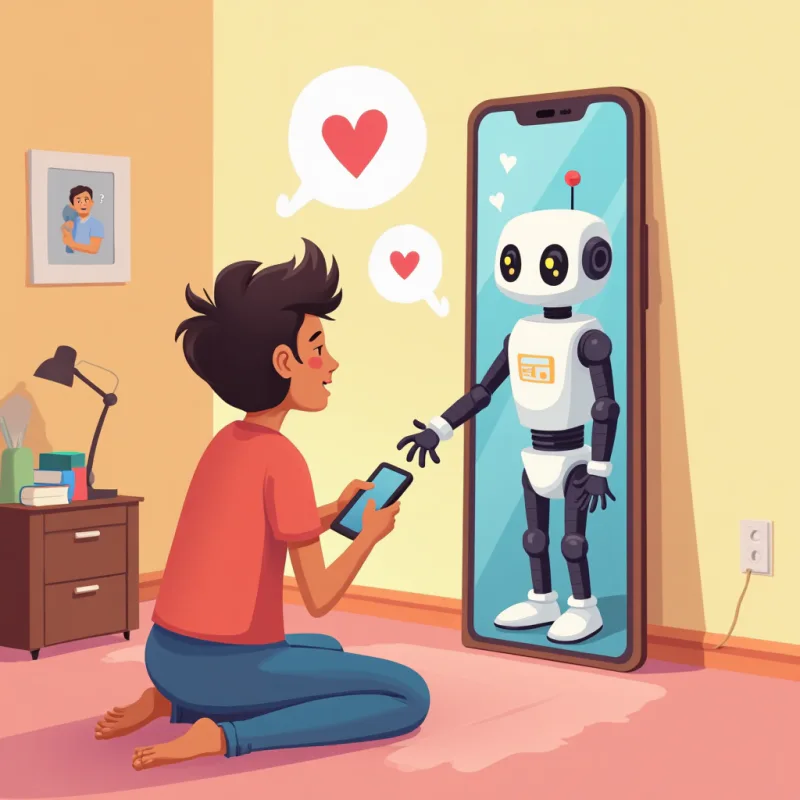
Chatting with an AI helps too. You can type at a bot all day and it will patiently reply, with zero fear of judgment. There is genuine value in getting reps that way.
But notice what all of these have in common. Zero stakes, zero surprises. The bot never gets thrown by your accent. Your bedroom mirror never asks a follow-up question you did not see coming. There is no small, human pressure of another person waiting on you, and that pressure is the exact thing you are trying to get comfortable with.
The real missing piece is almost embarrassingly simple. You need one person who will let you be terrible at their language and not make it weird.
Not a teacher grading you. Not a native speaker you are trying to impress. A peer. Ideally someone who is also learning your language, so the clumsiness runs both ways and nobody is performing. When they fumble your language and you fumble theirs, the fear quietly evaporates. You are both bad, you are both trying, and suddenly it is fun instead of terrifying.
This is the whole secret. You need permission to be bad out loud, in front of a patient human, over and over, until the static clears. There is no version of this you can do by yourself.
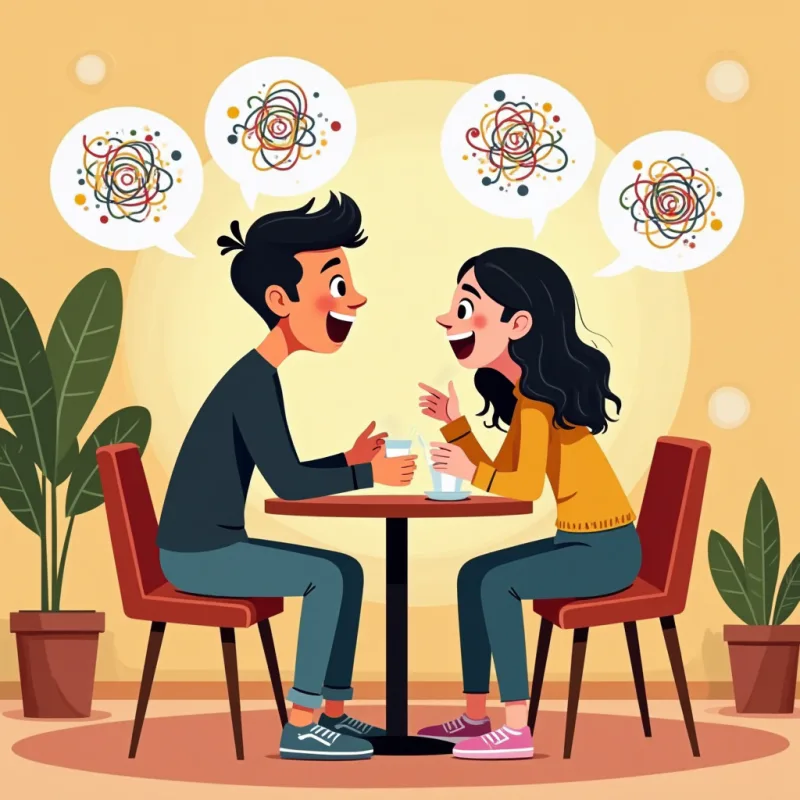
This is the part that used to be genuinely hard, and it is exactly the gap SewaYou was built to close. It is a map-based app that shows you real people near you, both locals and other foreigners, who actually want to meet and talk instead of swipe and vanish. You can find someone close by who is learning your language while you learn theirs, start with something low-stakes like a coffee or a short walk, and just talk. Badly at first. That is the point.
Make Japanese Friends On a Live World Map
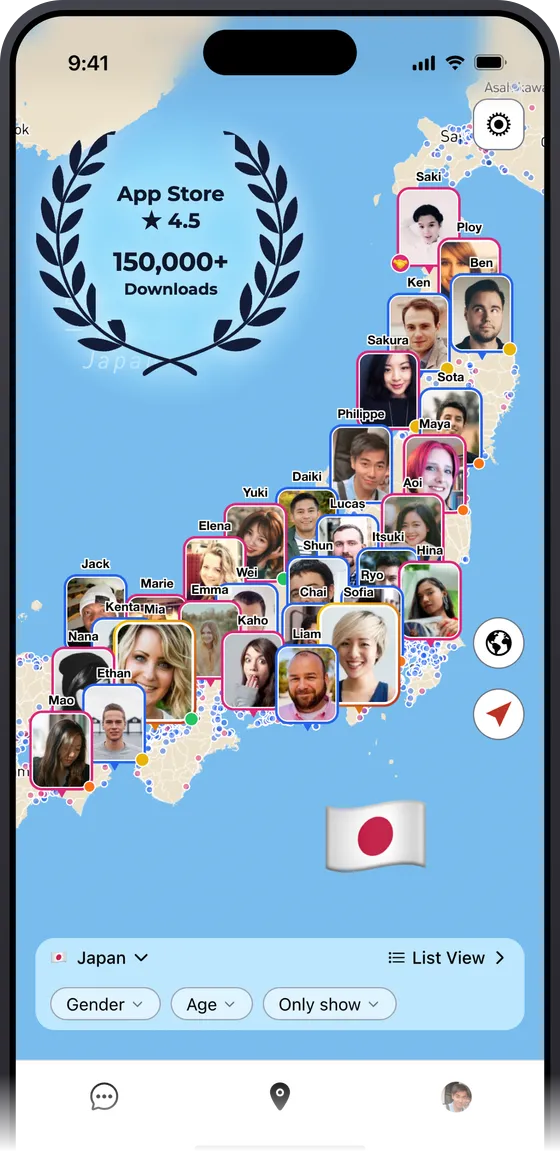
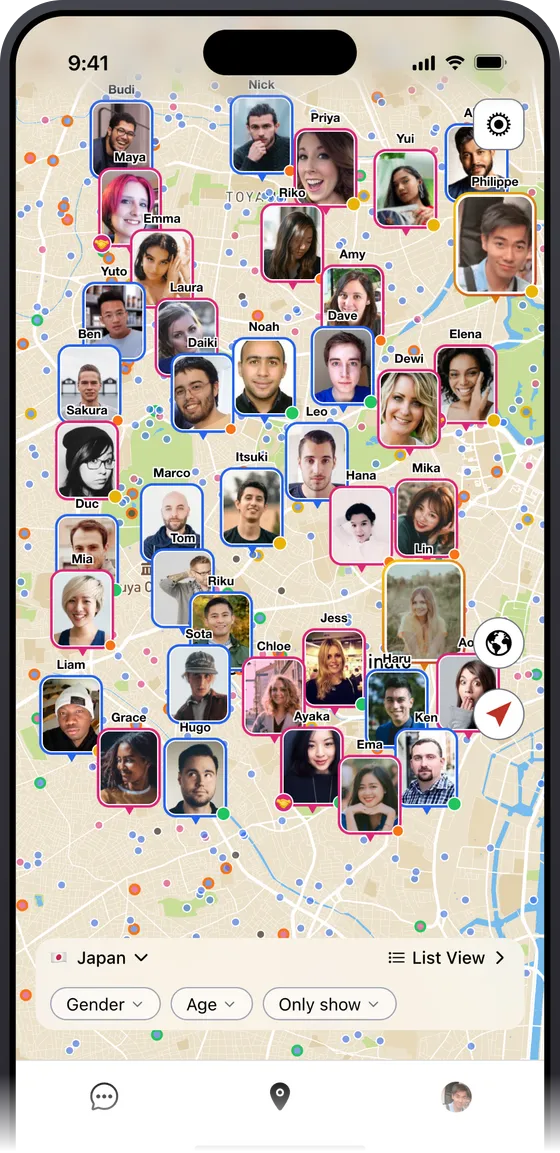
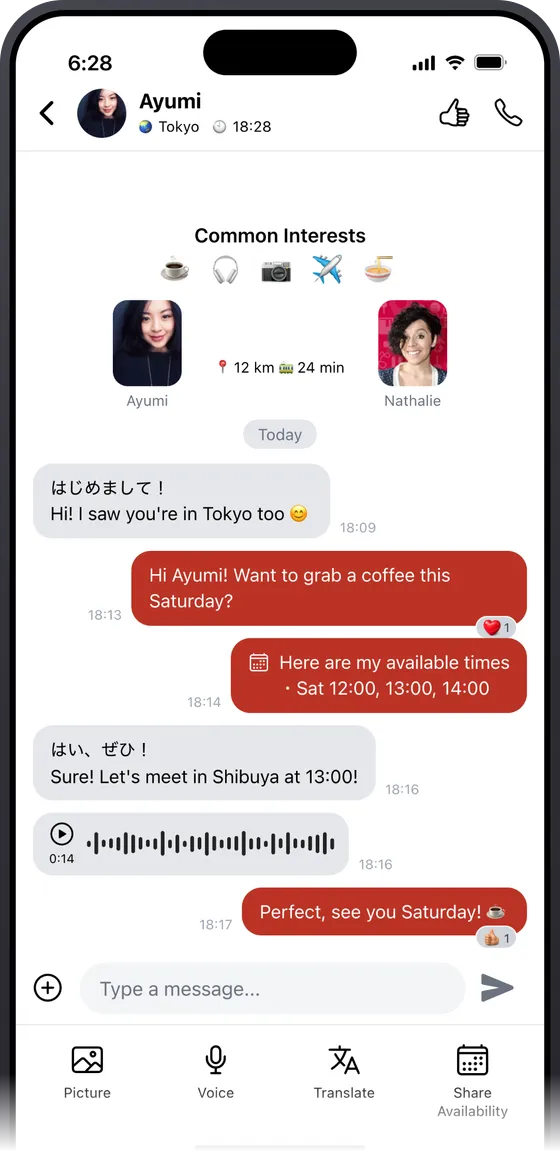


The magic of meeting in person is that there is no text box to hide behind. You have to produce the words, right now, and the other person is rooting for you because you are about to do the exact same thing for them.

You are never going to feel ready. There is no vocabulary count that flips a switch and turns you into a confident speaker. The switch flips the first time you have a real conversation, survive the awkward silences, and realize you did not die.
So stop waiting to be good enough to talk. Being bad out loud is the entire method. Find one person, sit down, and let yourself be a beginner in front of them. Open SewaYou, see who is near you, and go have your first clumsy, wonderful conversation. That is where speaking actually begins.


