

Spend enough time reading the long-term expat stories in Japan and they start to rhyme. Someone arrives at twenty-one, fresh out of university. First job at a modest salary. Ten years later the number has tripled, they have dated their way through the city, and they are already thinking about citizenship, a house, maybe kids.
It reads like a life that worked. And it did. These are real wins, and nobody should downplay them.
But read enough of them back to back and you notice something. The same line is missing from almost every one.
The story always has a career arc. It almost always has a romantic arc. What it almost never has is friends.
Not colleagues. Not the people you dated. Friends. The person you call on a slow Sunday for no reason. The two or three people who would show up if your flight got cancelled and you were stranded at midnight. The group chat that has nothing to do with your job or your relationship.
That line goes missing for a simple reason: nobody counts friendship as progress. Salary is progress. A partner is progress. A visa is progress. Friendship just happens, we assume, so it never makes the list. And what never makes the list never gets worked on.

Here is the quiet trap of building a life in a new country. Two things come with built-in structure, and everything else does not.
Work hands you people whether you want them or not. You share an office, a deadline, a lunch break. Dating hands you a goal, an app, and a clear next step. Both have rails. You can coast on those rails for a decade and look, on paper, like you are thriving.
Friendship has no rails. No one schedules it. No algorithm nudges you toward the person three neighborhoods over who happens to like the same strange things you do. So it becomes the first thing to quietly go. You are busy, your Japanese is good enough to get by, your weekends fill with work events and dates, and one day you realize your entire social world is people who are paid to be near you or people you are dating.

This is also why so many people say the same thing about international relationships. Dating is fine, they say, but living together is a completely different game.
Part of that is culture and language, sure. But a bigger part rarely gets named. When you have no friends of your own in the country, your partner becomes your only person. Your only translator, your only social life, your only emotional support, your only weekend plan. That is an enormous amount of weight to hang on one relationship, and most relationships buckle under it eventually.
The healthiest international couples I have seen are not the ones with the best Japanese. They are the ones where each person has their own friends, their own group, a life that does not run entirely through the other person. The friendships are what keep the relationship from having to carry everything.

So flip the usual order. We tend to treat friends as the prize you collect once the career and the relationship are sorted. Something for later, when there is finally time.
It works the other way around. Friendship is the infrastructure, not the reward. The career survives a bad year better when you have people outside of work. The relationship survives the hard months better when neither of you is the other's only lifeline. And the decision to actually stay for the long haul, instead of quietly burning out and leaving in year seven, usually comes down to one thing: whether the place feels like home. A place feels like home when there are people in it who are yours.

Making friends as an adult in a new country feels almost impossible to begin. You are not in a classroom anymore, your coworkers are not quite friends, and typing "anyone want to hang out?" into the void feels strange.
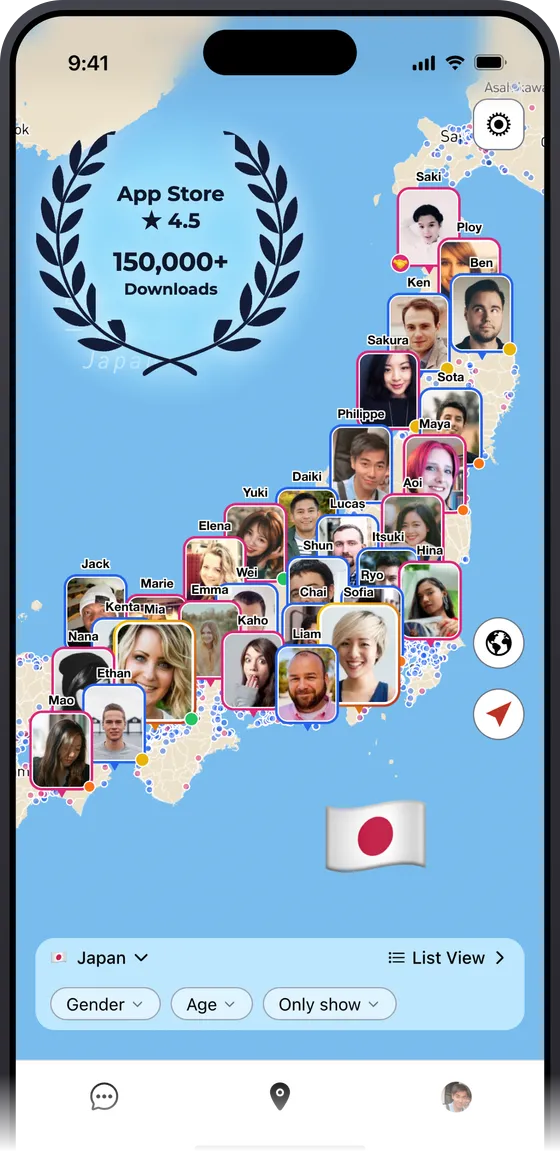
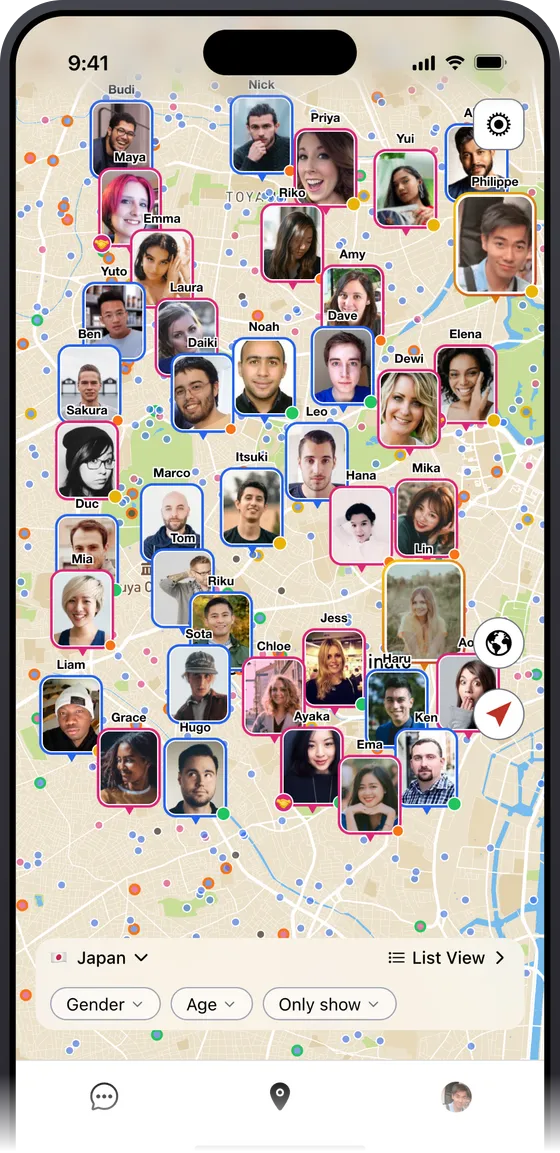
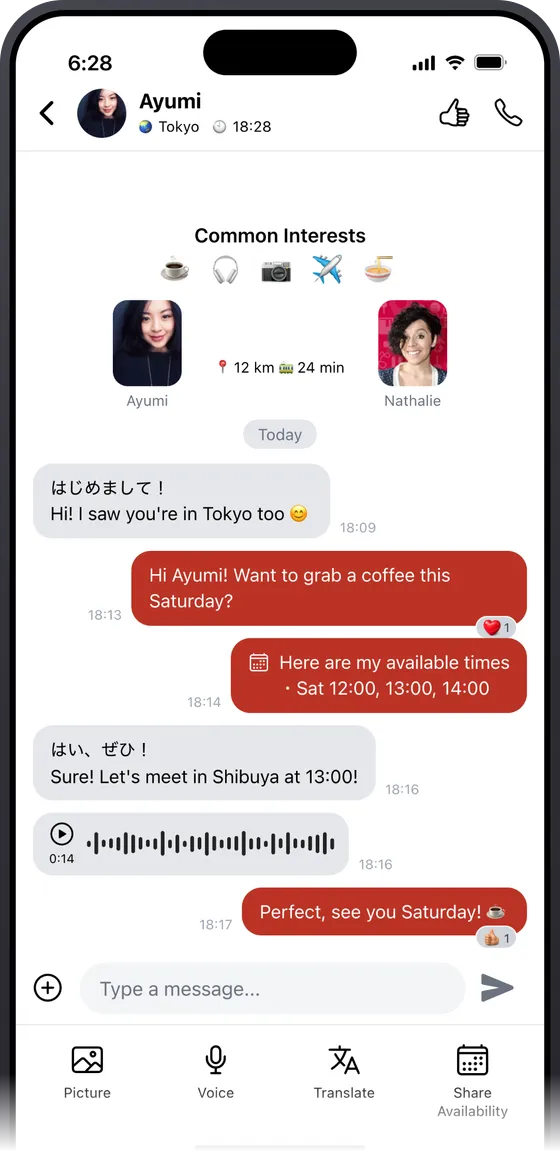
That is the exact gap SewaYou was built for. It is a map-based app that shows you real people near you, both locals and other foreigners, who actually want to meet and make friends, not match and vanish. You can see who is around your neighborhood, find someone into the same things you are, and start with something low-stakes like a coffee or a walk. No performance, no swiping, just people nearby who are also quietly looking for their people.
Make Japanese Friends On a Live World Map


You do not need a hundred friends. Two or three real ones changes everything. It is the difference between surviving in Japan and actually living here.
Ten years from now, your own story will list the job and the milestones like everyone else's. Just make sure it also has the part nobody remembers to include: the people. Open SewaYou, see who is near you, and send the first message. That is where the real progression starts.


