

Most people start a JLPT plan with a textbook, a vocabulary app, or a heroic promise to study before work. That sounds sensible. It may also be starting in the wrong place.
The first difficult moment can arrive before you learn a single new kanji. You need to notice the application window, choose a test location, get through a busy registration period, and leave yourself enough time to prepare. Miss that step and your perfect study plan has nowhere to go.
The first hurdle is administrative

I used to think motivation was the main issue. If someone really wanted to pass, I assumed they would simply find the time and do the work.
Living in Japan makes the real problem easier to see. People have work schedules, moving plans, family commitments, changing shifts, and a dozen small tasks competing for attention. A registration window can feel less urgent than a study session because studying feels like progress. But the window is the thing that determines whether this attempt exists at all.
Dates, test locations, and application procedures can vary by country or test area. Check the official JLPT information for the place where you plan to take the exam, and put the important dates somewhere you will actually see them. A calendar reminder is not overkill. It is part of the preparation.
There is a particular kind of JLPT optimism that appears every season. Someone looks at the levels, chooses the one that sounds most impressive, and promises to rebuild their entire life around it.
Then Tuesday arrives. The train is late. Work runs over. Dinner needs making. The textbook remains closed, and the ambitious plan starts to feel like evidence that you are bad at Japanese.
Choose your target by looking at your available weeks, your current reading speed, and the kind of Japanese you need in daily life. If your goal is connected to work, school, or a future visa application, check the exact requirement with the relevant organization instead of relying on a general internet claim. The right level is the one you can prepare for consistently and that serves a real purpose.
A study plan needs a calendar

The easiest way to make an important deadline feel manageable is to remove the mystery. Make a short checklist before applications open:
This is boring advice. Boring advice is often what saves a goal.
If a website is busy when applications open, refreshing in a panic is not a strategy. Have your information ready, allow time for the process, and keep the official page bookmarked. If something fails, read the organizer's guidance before assuming the opportunity is gone. The details differ by location, so follow the instructions for your test area.
Treat registration like a deadline

A certificate can be useful. It can help you explain your current level to a school, an employer, or an organization handling a longer-term plan. But a certificate is a particularly fragile source of motivation. It is far away, abstract, and silent when you are trying to understand a fast conversation at the end of a tiring day.
Give the exam a second reason to exist. Maybe you want to understand the jokes your coworkers make. Maybe you want to read a neighborhood notice without reaching for your phone. Maybe you want enough confidence to start a conversation instead of rehearsing one in your head.
Those reasons make the study feel connected to a life, not just a score. They also show you what to practice. A test can tell you whether you answered questions correctly. Daily interactions remind you why the answers matter.
Textbooks are good at giving you structure. They cannot give you the small jolt of courage that comes from saying something imperfect to a real person and discovering that the conversation continues.
That is where SewaYou can fit into a JLPT plan. It is a map-based app for finding people nearby who are open to meeting, chatting, and practicing languages. You can use it to turn a week of solitary review into one low-pressure conversation about food, neighborhoods, hobbies, or life in Japan.
Make Japanese Friends On a Live World Map
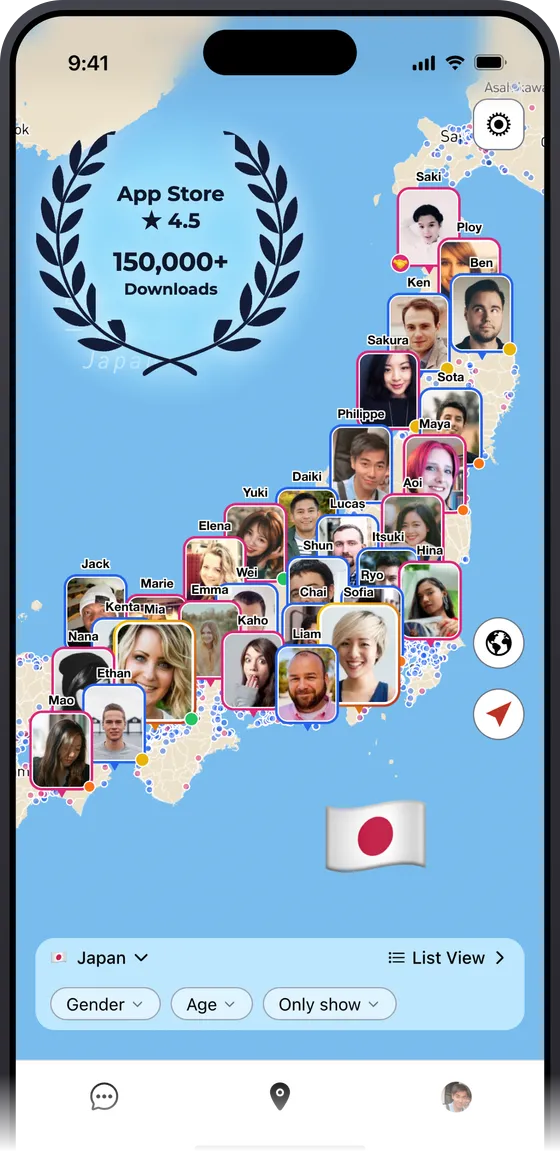
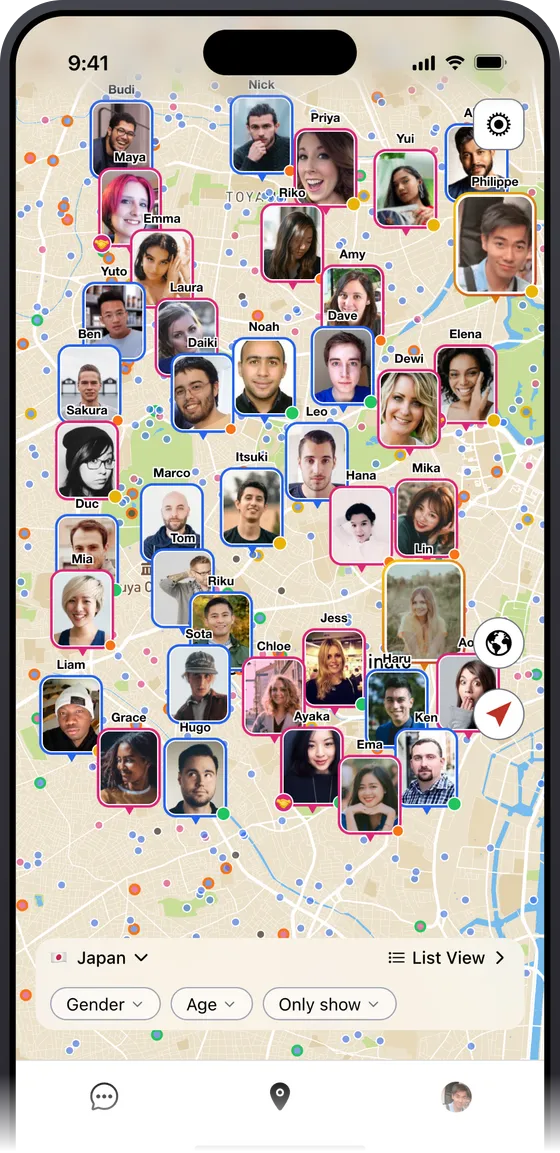
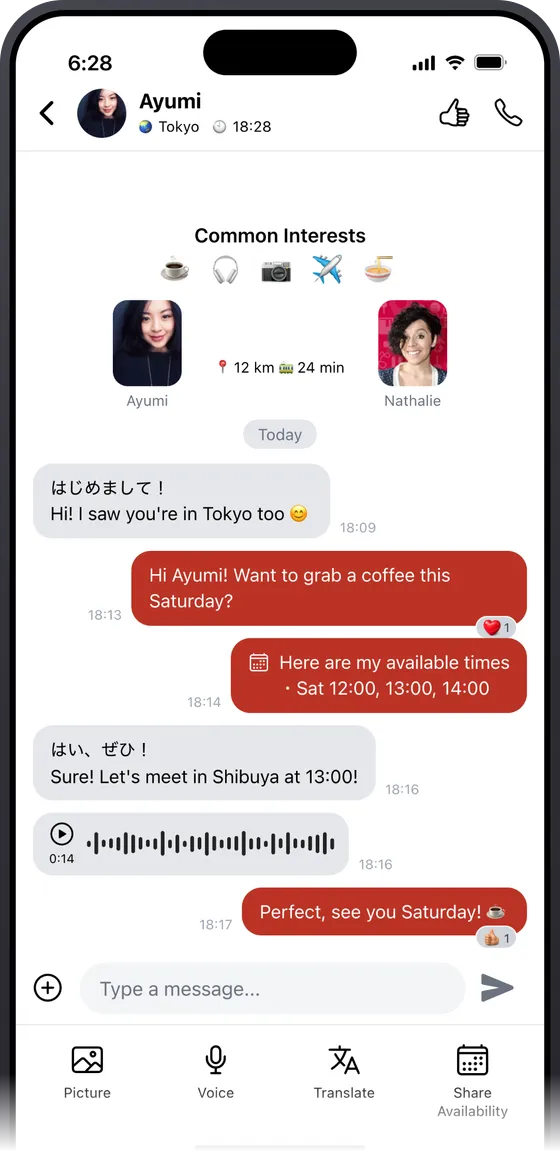



Make language learning local
Keep the interaction simple. Meet in a public place, agree on a comfortable language mix, and choose one topic you can talk about at your current level. You do not need to perform fluent Japanese. You need a reason to retrieve the words you already know.
The surprising lesson is not that you need more discipline. It is that a serious language goal has a logistics layer, a study layer, and a human layer.
Handle the logistics before the application window opens. Build a study rhythm that survives ordinary weeks. Then add real conversations so Japanese stays attached to people and places, not only answer sheets.
The JLPT is one checkpoint. Your life in Japan is the route. If you are preparing for the next level, SewaYou can help you find someone nearby to practice with this week, while the application date is still safely on your calendar.


