

Your bills are paid. You know your way around the supermarket. You can handle the train journey, the paperwork, and the school pickup. From the outside, your life in Japan looks settled.
So why does the thought of spending the rest of your life here feel heavy?
I think the difficult part is how quickly that question turns into a gratitude test. You start listing everything that works, as if reliable deliveries could explain away missing the people who know you best. But appreciating a country and wanting a different future can exist in the same person.
Convenience is not belonging. It can make an errand easier without giving you someone to sit with afterward.
Imagine coming home after a tiring shift. Dinner is sorted, the apartment is comfortable, and tomorrow is organized. What you want is a familiar face dropping by, or a conversation that doesn't begin with explaining where you're from.
That is an imagined evening, but it helps separate two needs. One is a life you can manage. The other is a life you feel part of.
If you grew up in a close circle of relatives and neighbors, whether in the Philippines or somewhere else, you might miss how little planning connection required. It isn't necessarily a festival, a holiday, or even a particular food. It might be having someone notice that you seem quieter than usual.
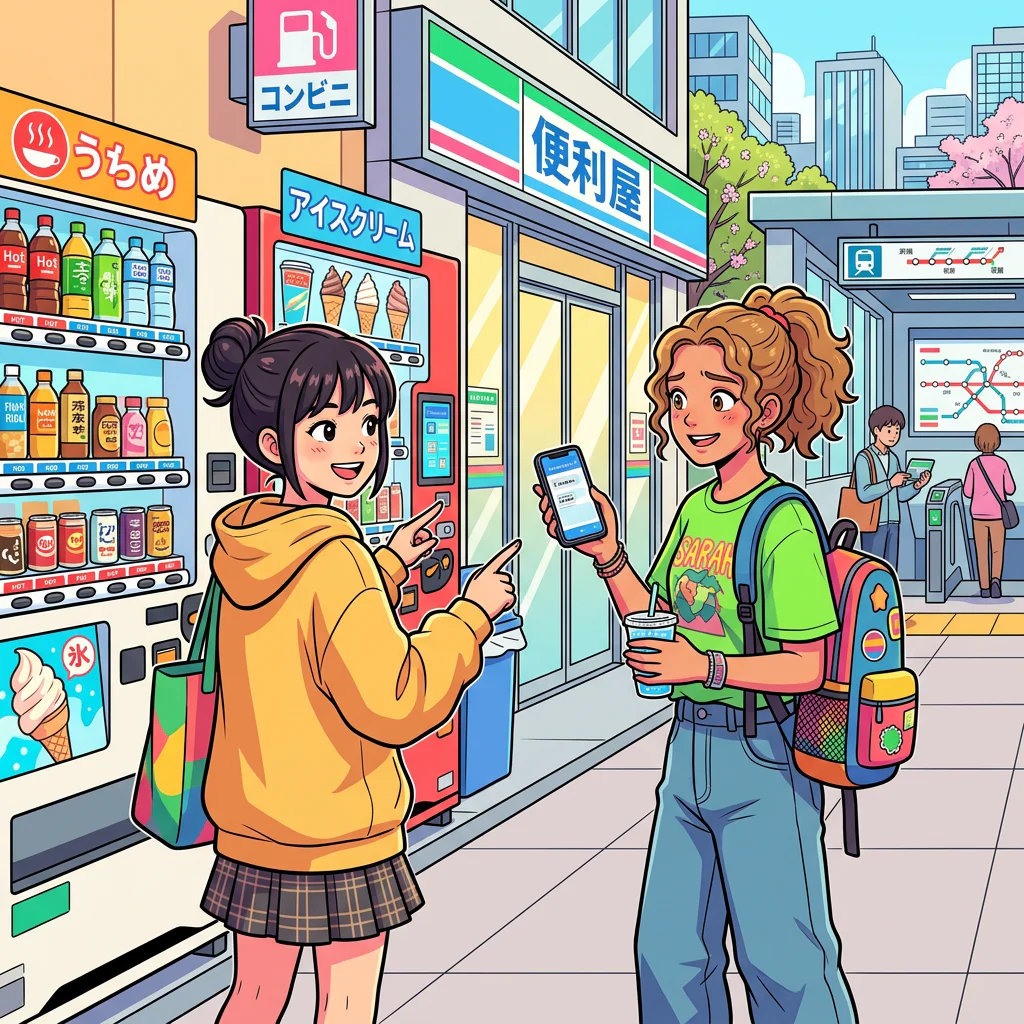
“Something is missing” is an honest feeling. It's also hard to act on. Name the everyday absence before deciding what would fill it.
Try finishing this sentence: “An ordinary week would feel warmer if I could...” Keep the answer small enough to picture.
Those answers point toward different next steps. A language exchange might help with conversation, while a Filipino community group might offer shared references and familiar humor. A recurring park visit might suit a parent better than an evening meetup.
You don't have to make every friendship an integration project. A friend who shares your background and a Japanese neighbor can both matter. Neither relationship has to prove that you are doing life abroad correctly.
There is another possibility: you aren't only missing people. You're missing enough time and energy to enjoy them.
If work consumes nearly all your usable hours, “join more activities” can sound like another assignment. Time belongs in the plan alongside income, housing, and savings.
Here's the question I'd put before any meetup recommendation: if you had a good friend nearby, when could you actually see them? If the answer is “I have no idea,” the problem deserves a closer look at your schedule, responsibilities, and realistic work options.
Seeing older coworkers doing exhausting work can also make your own future feel decided. That fear is worth discussing with your partner, but someone else's working life doesn't tell you exactly how yours will unfold. Start with what you can investigate: hours, skills, other roles, household costs, and the kind of week you want as you get older.
And if you have experienced exclusion or hostility, that deserves to be taken seriously. Making friends doesn't excuse mistreatment or make it your responsibility to adapt to everything.
You don't need to settle the stay-or-leave question before making next week less lonely. Try one repeatable shared routine that fits the life you actually have.
Maybe it's a short walk after an early shift. Maybe it's coffee near the station every other Saturday, or visiting the same playground at a time you already take your child outside. Choose something you would still have energy for on a fairly tired day.
Make the first invitation concrete: “I'm grabbing coffee near the station on Saturday at ten. Want to join for half an hour?” It gives the other person something clear to accept or decline, without asking either of you to promise instant friendship.
If you enjoy the conversation, suggest doing it again. Familiarity needs another opportunity, and a second ordinary meeting can be easier to arrange than a whole new adventure.

A holiday back home and an ordinary working week in Japan are different things to compare. Give both possible futures an ordinary Tuesday: getting a child ready, earning money, buying dinner, being tired, and needing help.
Compare ordinary weeks honestly. Ask your partner what each of you hopes would change, and what you are afraid of losing.
For staying, consider the work schedule, relationships, and family time you would need to make life feel sustainable. For moving, look into realistic income, housing, childcare or schooling, and which relatives would actually be available to help. Being near family can matter enormously, but their availability is something to discuss, not assume.
You can write two short lists together: what needs attention now, and what needs investigation before a move. Put exhaustion or loneliness on the first list if they belong there. Put employment options and questions about residency, taxes, or pensions on the second, then check those details with the relevant official sources or qualified advisers.
Pick a date to revisit the conversation. Staying for now can be a deliberate choice while you gather information. Leaving can also be a thoughtful decision, even if you have built something valuable in Japan.
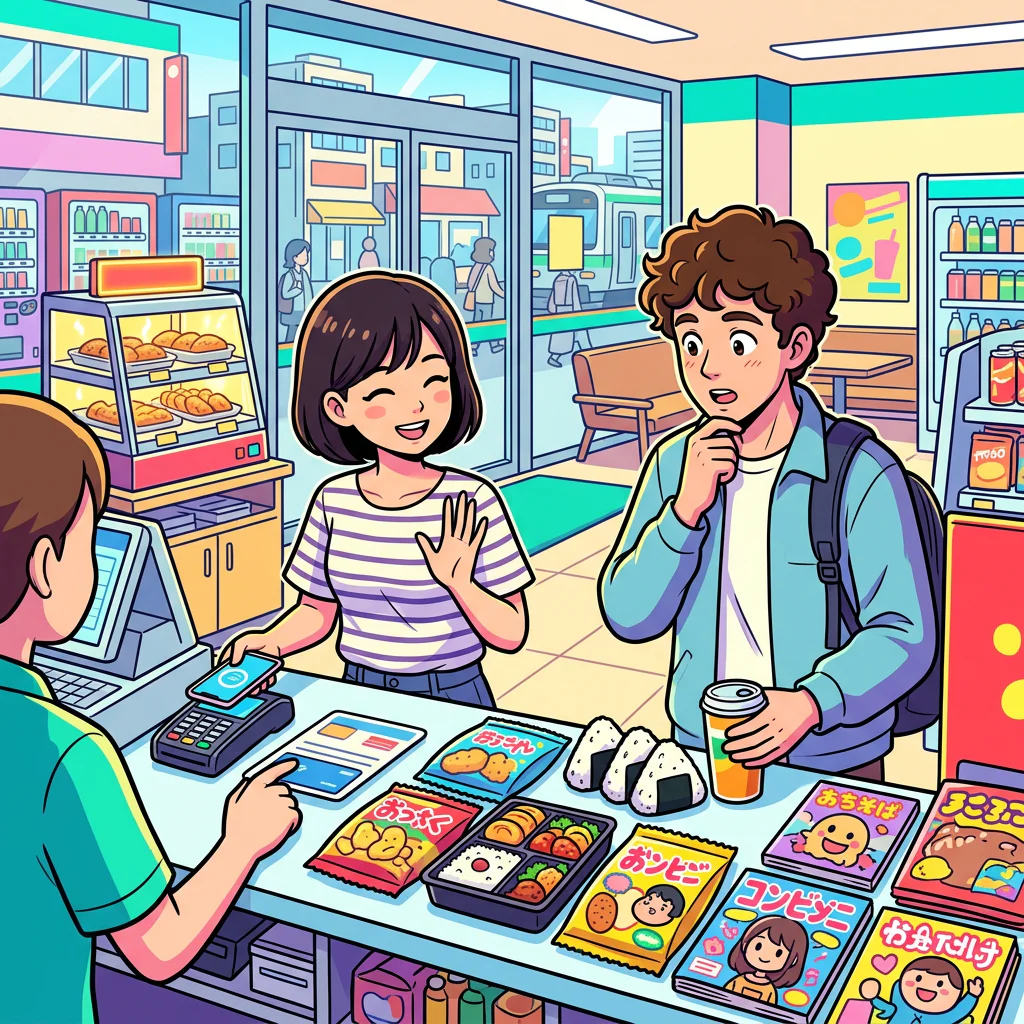
You don't have to earn the right to feel at home by staying forever. And you don't have to postpone friendship until you know where forever will be.
SewaYou is a map-based app for meeting nearby people through friendship and language exchange. If the missing piece is someone to talk to outside work and home, it offers a place to start looking for a coffee companion, a walking buddy, or a conversation across cultures.
Make Japanese Friends On a Live World Map
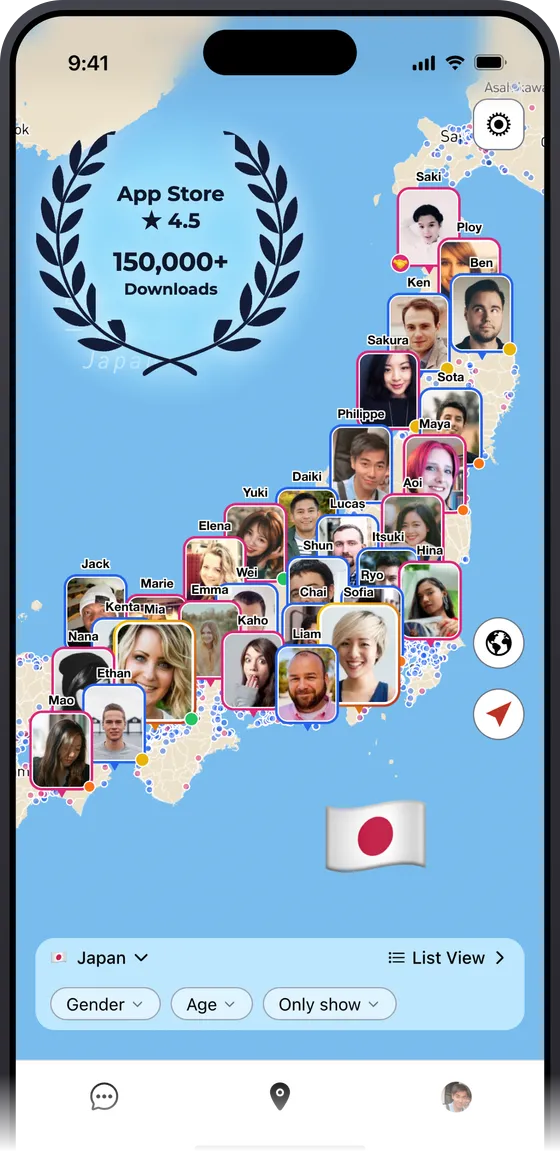
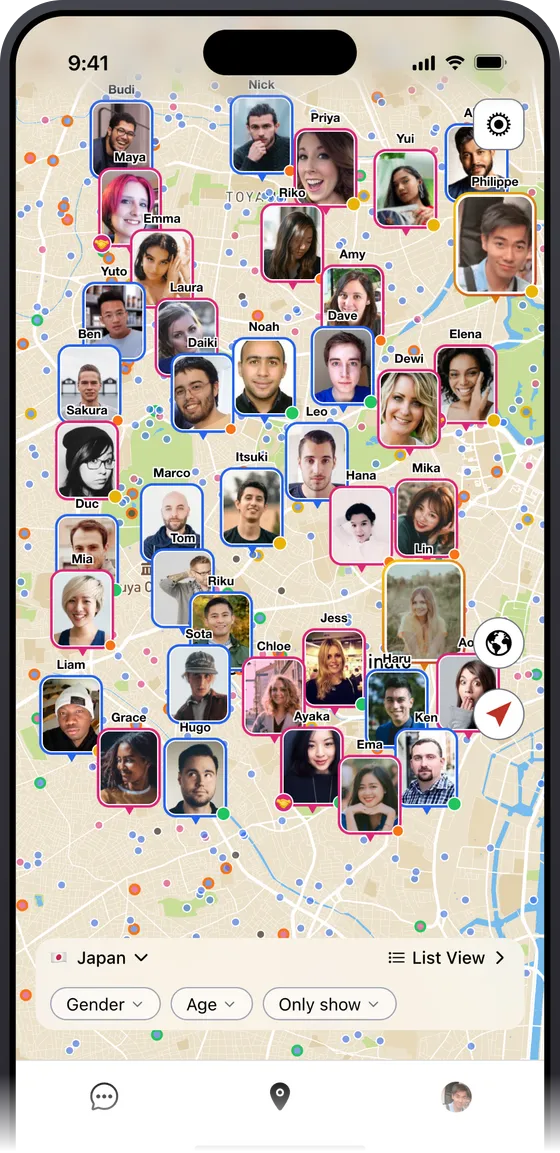
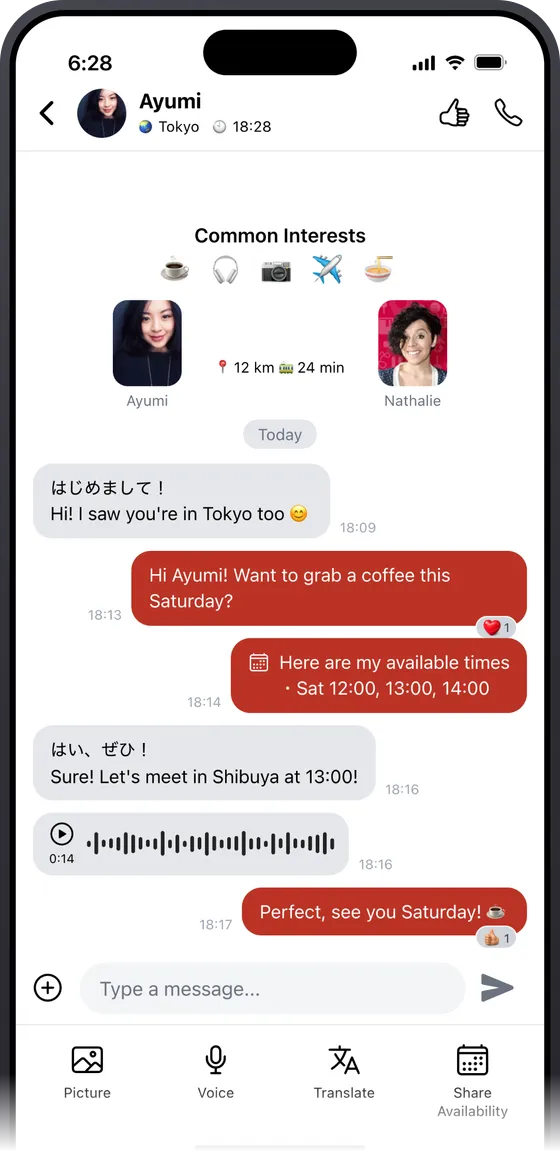


Keep the invitation close to your real interests and schedule. You can say that you're a parent, that you prefer daytime coffee, or that you're looking for relaxed conversation. Start with the week ahead and let a connection develop at its own pace.
A new friendship won't answer every question about your family's future. It can still make the life you're living today feel warmer. Download SewaYou and send one invitation you would genuinely enjoy accepting yourself.


