

Someone tells you they are having a terrible time in Japan. They are isolated, overwhelmed, and not sure who they can call. Your first instinct may be to fix everything before the conversation ends.
I used to think being a good friend meant always having the right answer. If someone was lonely, I would search for events. If they were anxious, I would make a plan. If they were in serious distress, I would quietly wonder whether I was now responsible for keeping them safe.
That last thought is where good intentions can become a dangerous burden. You can care deeply about someone without becoming their therapist, emergency contact, or entire social life. Care needs a shape.

When a person is hurting, quick advice can feel useful because it gives you something to do. But advice is not always what they need first. They may need someone to listen without turning their experience into a debate about whether Japan is actually difficult, whether they should try harder, or whether moving home would solve everything.
Try a simpler response: thank them for telling you, reflect what you heard, and ask what kind of support would help right now. Do they want to be heard? Do they want practical ideas? Do they want help finding a professional or a local service?
Those questions return some control to the person speaking. They also keep you from guessing your way into a role you never agreed to take.
If someone may be in immediate danger, treat that as a situation for local emergency services or a qualified crisis professional. Stay with them if you can do so safely, help them contact appropriate support, and involve someone nearby when necessary. Friendship is valuable, but it is not a substitute for trained crisis care.
Kindness is not a qualification. It is a reason to connect someone with people who have the right training.
People are comfortable talking about donating money to a nonprofit. They are less comfortable when a volunteer program asks for a training commitment, an application process, or a fee to help cover preparation and supervision.
That discomfort is understandable. Volunteer work is supposed to be something you give, so why should giving your time cost anything? But serious support work does not begin when a volunteer answers a message. It begins with learning how to listen, recognize risk, protect confidentiality, manage boundaries, and recover after difficult conversations.
Training takes instructors, materials, screening, coordination, and ongoing support. A fee does not automatically mean a program is exploiting volunteers, just as a nonprofit label does not automatically mean every program is right for you. Ask what the training includes, what support volunteers receive, what the time commitment is, and whether financial accommodations are available.
You are allowed to decide that formal volunteering is not possible for you right now. You can also decide that it is worth investing in. Giving time still needs preparation.
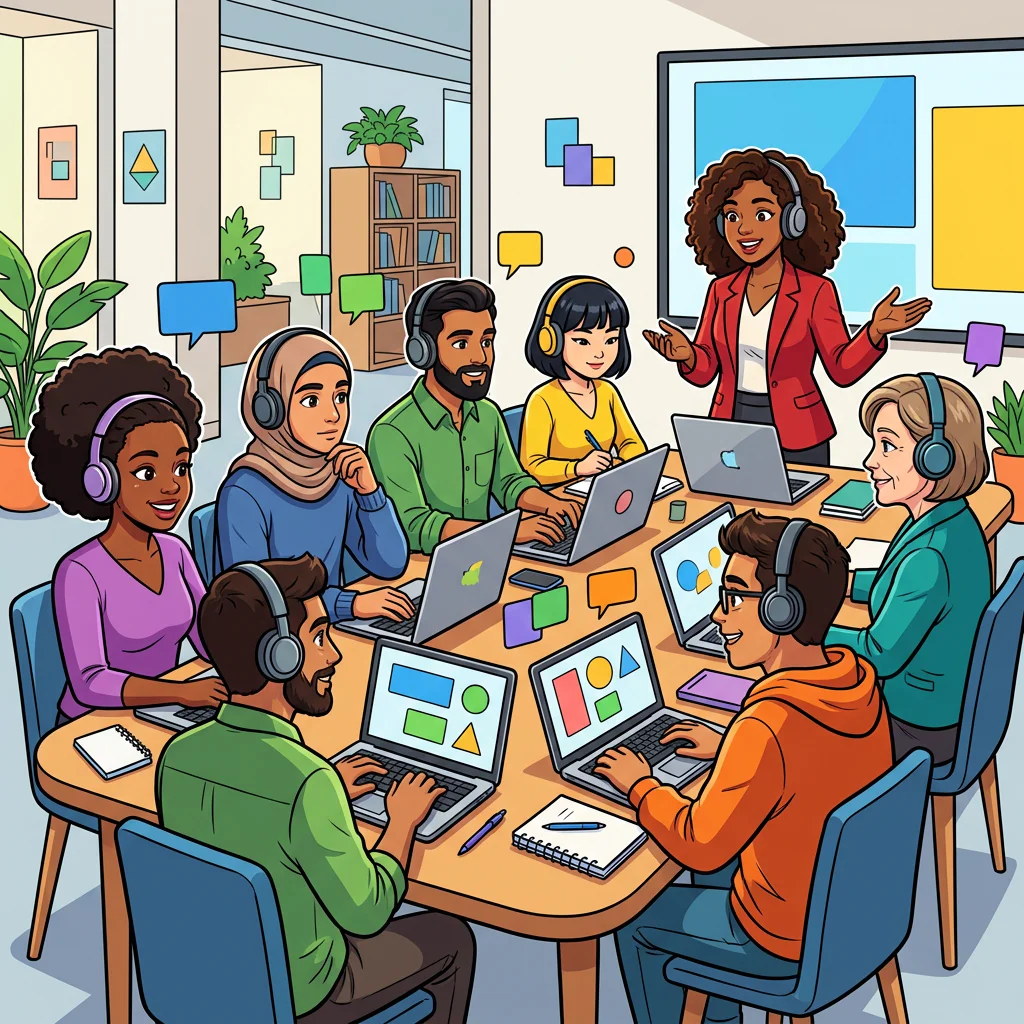
You do not need a perfect script. You need a few habits that make the conversation safer and more human.
Start by slowing down. Put away the urge to compare their experience with yours. Saying, “That sounds really lonely,” can be more useful than explaining how you survived your first year.
Next, ask one clear question at a time. “What has been hardest this week?” is easier to answer than “What is wrong?” If the person mentions feeling unsafe or unable to cope, ask whether they need immediate help and connect them with local emergency services or a qualified professional. Do not promise secrecy if someone faces an urgent risk.
Then be specific about what you can offer. You might be able to call tomorrow, walk with them to a clinic, help translate a basic message, or introduce them to a social group. You might not be able to answer late-night calls, provide medical advice, or keep a crisis secret from everyone else.
Clear limits are not cold. They make your offer believable. Say what you can actually sustain.
The most visible moments of distress are not the whole story. A person can be safe tonight and still go weeks without a real conversation. They can attend work, buy groceries, and post cheerful photos while feeling like they have no place in anyone’s ordinary life.
This is why everyday connection matters. Invite someone for a walk instead of waiting for a dramatic confession. Remember the name of the café they like. Ask a follow-up question next week. Share a small routine, such as Sunday coffee, a language exchange, or a regular gym session.
Small invitations are easier to accept than a grand promise to always be there. They also create something that crisis advice cannot provide: repeated contact with people who notice when you are missing.
If you are the lonely person, you do not have to wait until you feel confident or interesting enough to reach out. Start with one low-pressure plan. A short conversation counts. So does showing up twice to the same place.

Living abroad can make every new connection feel unusually important. When language, culture, and distance from family are already in the mix, one friendly person may become your translator, weekend plan, emotional outlet, and emergency backup all at once.
That is a lot to place on one relationship. A healthier circle has different kinds of connection: a neighbor for practical questions, a colleague for everyday conversation, a friend who shares your interests, and a professional or service for problems that need specialist help.
This is where SewaYou fits. It is a map-based app for meeting nearby people who are open to friendship, conversation, and language exchange. You can look for a relaxed coffee, a walk, or a chance to practice speaking with someone who understands what it is like to build a life across cultures.
Make Japanese Friends On a Live World Map
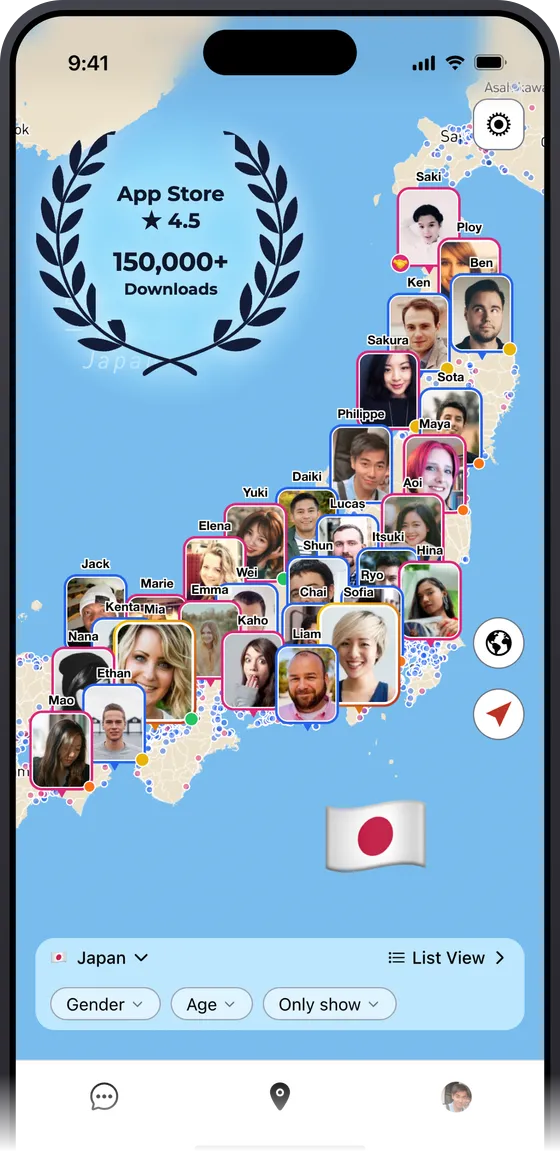
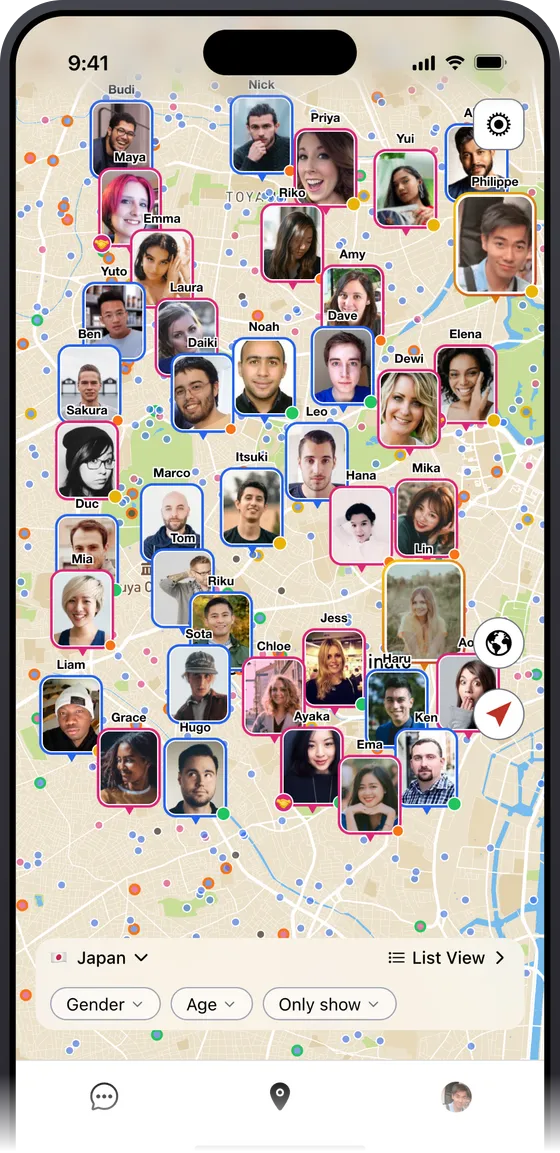
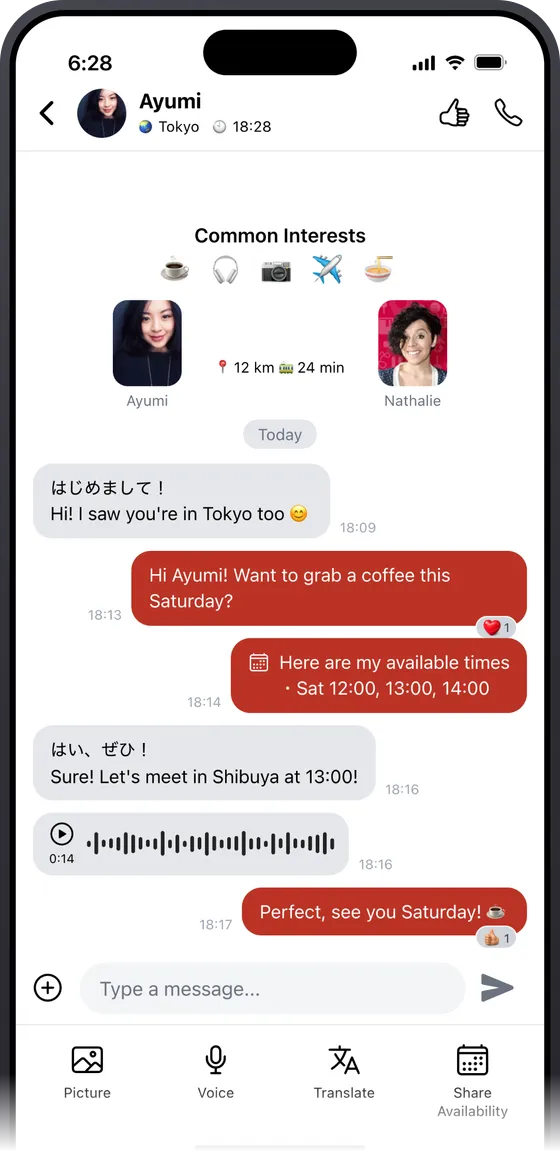


The goal is not to replace professional support or turn strangers into instant best friends. It is to make the first small invitation easier, so your world in Japan contains more than work, errands, and messages sent across time zones.
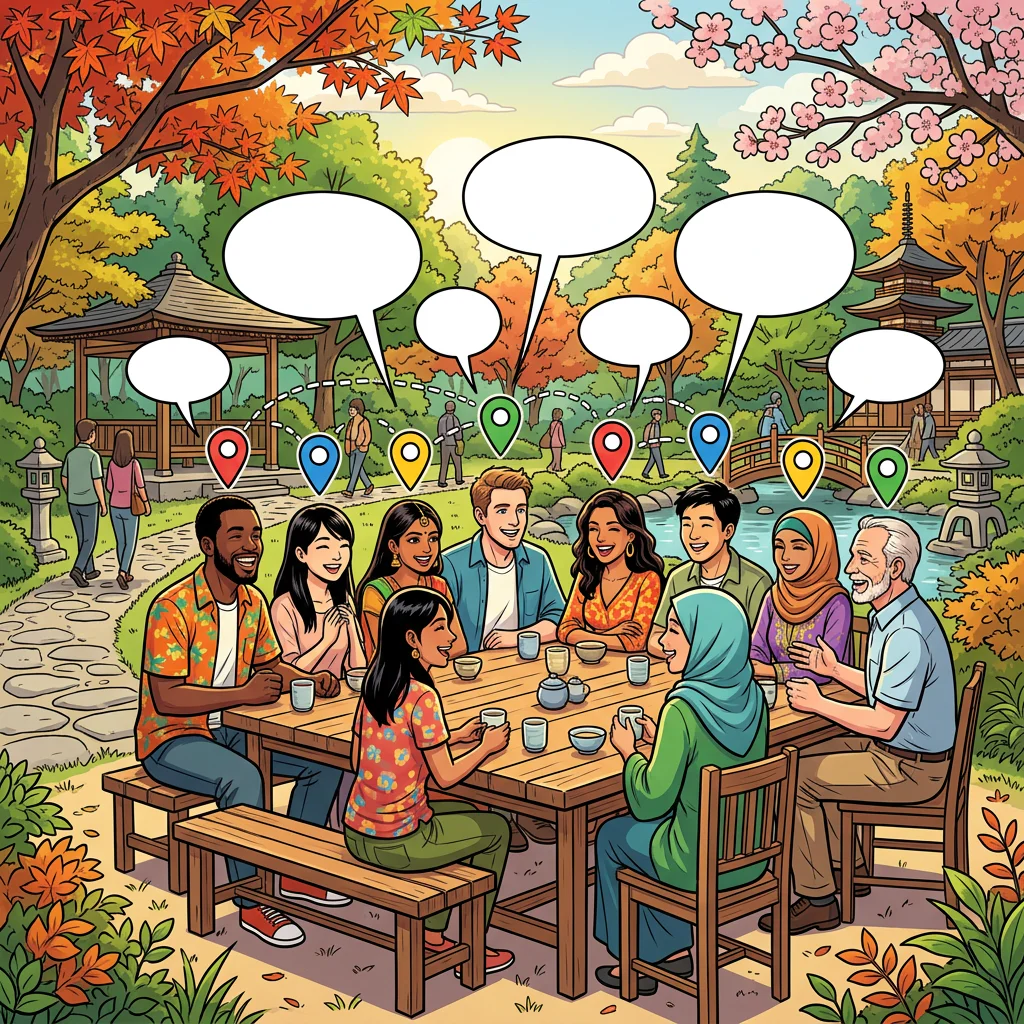
There are several honorable ways to respond when people around you are struggling. You can train for formal support work if you have the time and emotional capacity. You can donate if money is the resource you can spare. You can learn how to listen better. You can invite someone into an ordinary part of your week.
None of these choices makes you responsible for solving loneliness by yourself. The strongest communities are built from many modest contributions, with professionals handling professional problems and friends making daily life less empty.
I still believe in showing up for people. I just no longer believe that showing up means carrying them alone. Download SewaYou, send one low-pressure invitation, and help make connection a normal part of life in Japan.


