

You want a Japanese name for your daughter. Your partner wants something that English-speaking relatives can say comfortably. Someone adds “but not too common,” and suddenly a lovely decision feels like a search with no results.
What does “works in both languages” actually mean? Easy to read? Easy to repeat after hearing it? Familiar to both families? Those are different requests, even when they land in the same conversation.
I'd start by putting the name lists away for one evening. Before choosing a name, agree on what you are asking it to do. Your child deserves a name you both care about, but it doesn't need to erase every difference between your languages.
Comfortable beats perfectly identical. Try making that the goal instead of expecting every relative to produce exactly the same sounds.
A useful first test is to say a candidate aloud, then ask your partner to repeat it naturally. Reverse roles. Listen for which differences feel fine to both of you and which change the name in a way that bothers you.
Then try it in ordinary phrases: “This is our daughter, [name],” or “[name], your shoes are here.” Say the equivalent in Japanese too. A name on a beautiful shortlist and a name called across the kitchen are two different experiences.
You aren't testing whether one language gets it right. You are deciding which variations you can happily live with. If one pronunciation matters deeply to a parent, say that now rather than hoping it will become obvious later.

Uncommon needs a reference point. Uncommon among children in Japan, unfamiliar to your own relatives, and distinctive in an English-speaking country are different goals.
Ask your partner to finish the sentence: “I want an uncommon name because...” Maybe they want individuality. Maybe they had several classmates with their own name. Maybe they simply haven't heard a suggestion that feels personal yet.
Those possibilities are conversation starters, not assumptions about your partner. The answer matters because a meaningful family connection might satisfy the wish for something special without requiring an unusual pronunciation.
Don't label a name rare just because neither of you knows anyone with it. If popularity affects your decision, check a recent naming survey and read who it covers, which year it measures, and whether it counts spellings or pronunciations. A ranking is evidence about its sample, not a promise about your child's future classroom.
Start with three candidates each. For every name, write down why you like it before discussing what might be difficult. Meaning belongs beside convenience, not underneath it.
Use the same questions for every candidate:
For possible starting points, you might explore names such as Hana, Emi, or Naomi. Treat them as candidates to investigate, not a guaranteed list of rare or effortless Japanese-English names. Ask actual speakers in your circle how they would say each one instead of assuming shared spelling means shared pronunciation.
Keep the sound and the Japanese written form as separate decisions. Don't assume a romanized name has one fixed meaning; the meaning of a kanji spelling depends on the characters chosen. If you plan to register the birth in Japan, confirm the proposed characters and reading with the municipal office handling the registration before finalizing them.
You don't need to turn this into a points competition. A simple “love it,” “could grow on me,” or “not for me,” with one reason each, gives you something more useful than another round of instant vetoes.
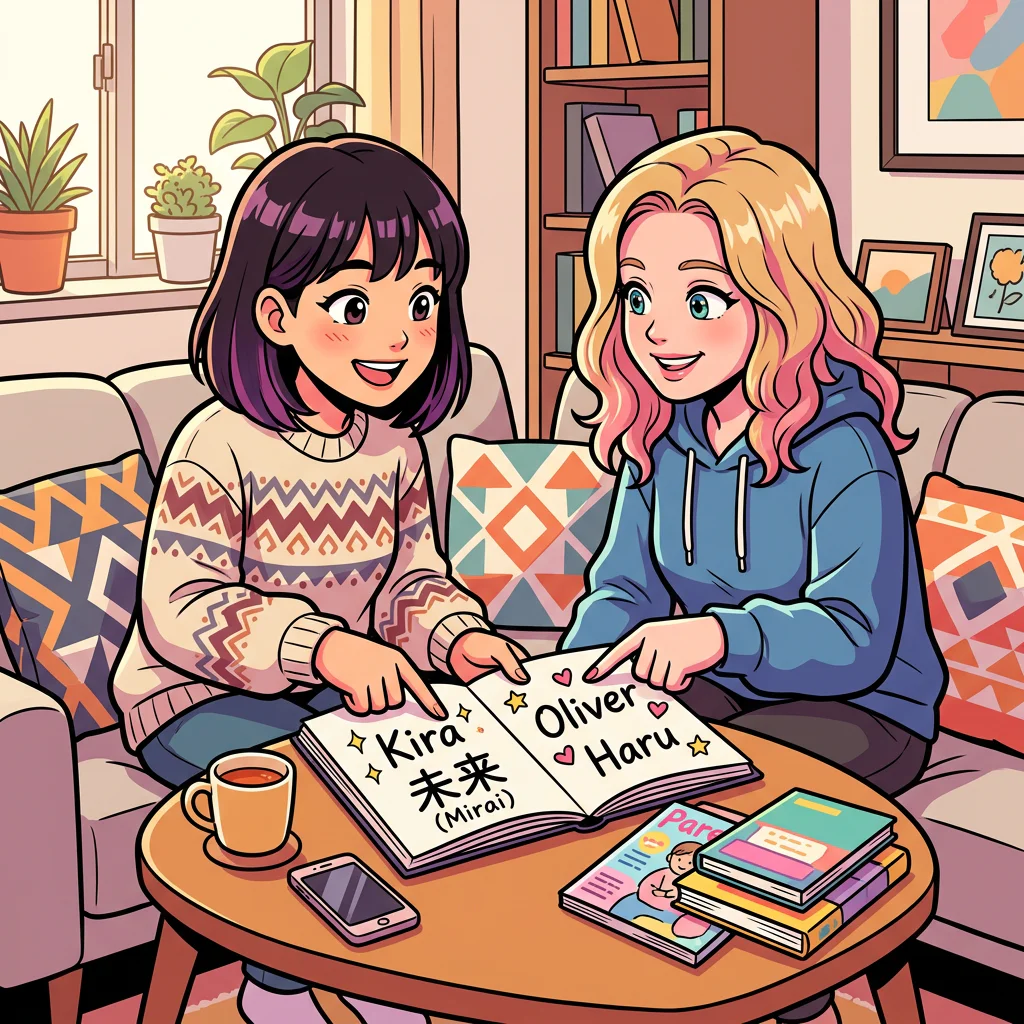
Once you have a small shortlist, ask for observations, not votes. “Which name is best?” invites personal taste into a decision that already has enough of it.
Try a more specific request with a willing Japanese-speaking friend and an English-speaking friend:
“Could you read these three names aloud? Then I'll say how we're imagining them. We're curious about what feels natural and what needs explaining.”
You can also ask whether a name brings an immediate association to mind. Listen without treating one person's reaction as the verdict of an entire country. Their age, region, and personal experience are part of the answer.
Keep the exercise small, and share only what you're comfortable sharing. You don't need to announce the pregnancy publicly, post your surname, or recruit a huge jury. A few thoughtful observations can help you understand a practical issue without handing over the decision.
Imagine the name on a school introduction, a message to a friend, and an adult introducing herself at work. This is an imagination exercise, not a prediction of where your daughter will live or who she will become.
Leave room for her preferences. Choose something you can explain warmly, while accepting that she may eventually prefer a nickname or say her name a little differently in different settings.
A helpful final conversation is: “What would we tell her about why we chose this?” You don't need an elaborate story. “We both loved the sound, and this part reminded us of your grandmother” can be enough, if that's actually your reason.
If you're still stuck, pause the search and return to the candidates you both liked at least a little. Ask what remains unresolved: sound, spelling, popularity, or the feeling that one parent's background isn't getting enough space. That gives the next conversation a clear purpose.

A baby-name discussion can open up bigger questions about language, relatives, and belonging. It can help to have people outside your household with whom those conversations feel comfortable, long before you need a final answer.
SewaYou is a map-based app for friendship and language exchange. Use it to meet nearby people who enjoy talking across languages, whether that starts with coffee, everyday Japanese practice, or sharing what life between cultures feels like.
Make Japanese Friends On a Live World Map
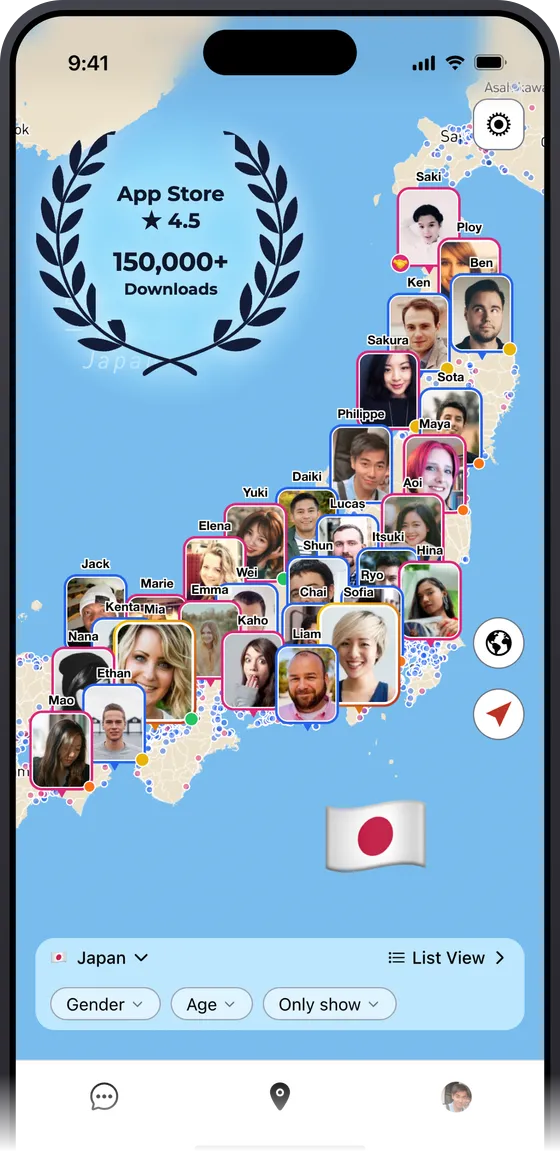
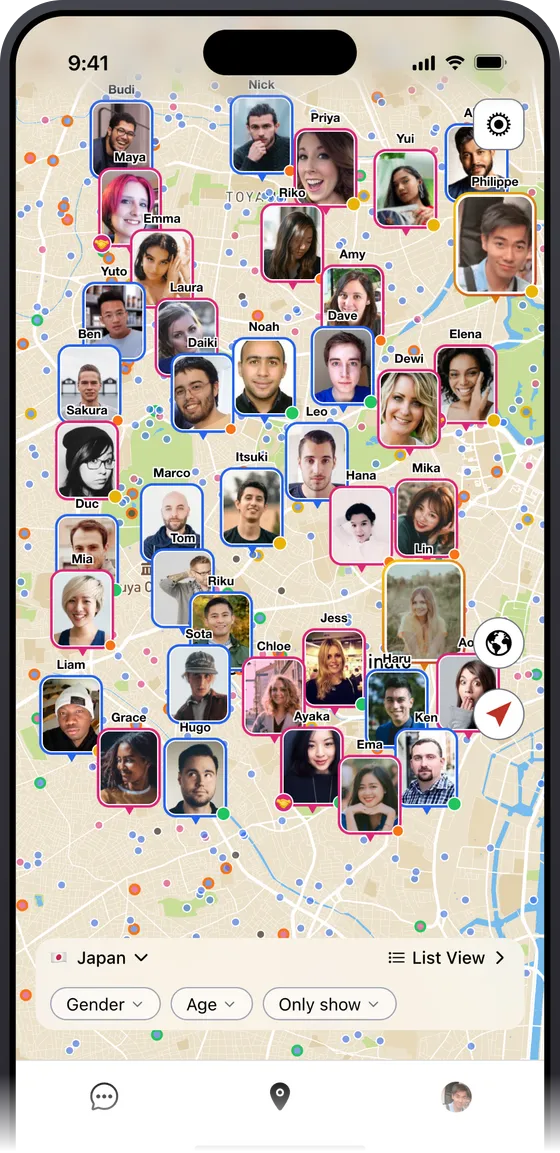
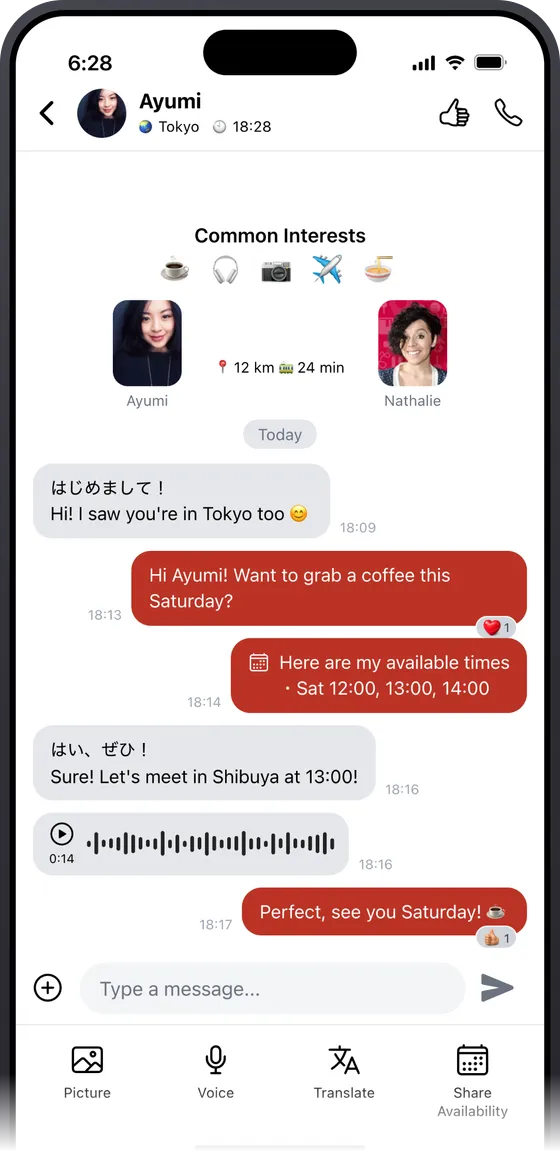


Start with a shared conversation. Get to know someone through mutual interests, and ask whether they're comfortable discussing names if the topic comes up. A new friend doesn't need to become your naming consultant to make your world feel a little more connected.
Your family chooses the name. The people around you can help you hear it with fresh ears. Download SewaYou and start building that circle, one conversation at a time.


