

There is a strange thing that happens to a lot of people a few months into life in Japan. They finally land a calm job, the kind that does not follow them home, and they expect to feel lighter. Instead they show up at their desk already worn out, and they cannot work out why. The work is fine. The morning is not.
If that sounds like you, the culprit is usually the part of the day nobody warns you about. Not the job. The commute. A packed rush-hour train can take more out of you than a full shift, and a gentle job with a punishing train can leave you flatter than a stressful job you used to do from your bedroom. It is the commute, not the job.
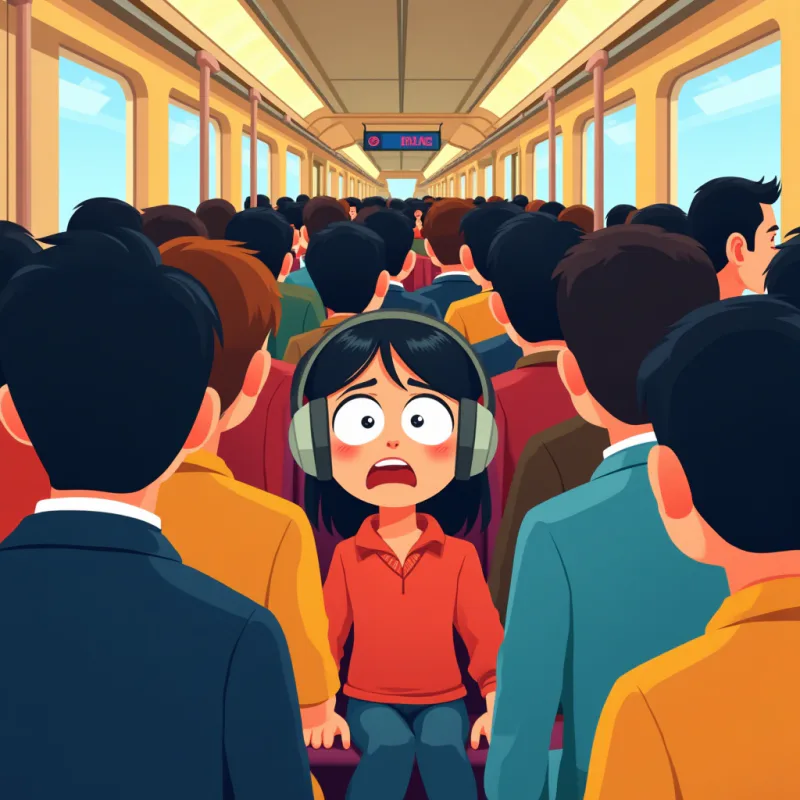
The standard advice is to distract yourself. Put on a podcast, queue up an album, download a game. So you try it, and a few weeks in you notice it is not really helping. That is not because you picked the wrong podcast. It is because you have misread the problem.
Being squeezed into a rush-hour train is not boring. It is a physical event. You are pressed against strangers, you cannot move your arms, you brace every time the train sways, and some animal part of your brain stays on alert the whole time because your personal space is simply gone. That low hum of tension is what drains you, and it runs underneath whatever is playing in your ears. It is not boredom, it is bodies.
Audio can make the time pass. It cannot switch off a nervous system that has spent forty minutes with no room to stand. So if the podcast feels useless, trust that. You were treating the wrong symptom.
Once you accept that the crush itself is the problem, the useful moves are the ones that give your body a little more space, not a better playlist.
Shift your timing if your job lets you. Leaving even twenty or thirty minutes earlier or later can be the difference between a wall of people and a train where you can actually hold your own bag. Rush hour is a narrow window, and the edges of it are far kinder.
Learn your train, too. In my experience the very front and very back cars are often less jammed than the middle, and it is worth walking down the platform to reach them. If you are a woman, many lines run women-only cars during morning rush, which can be a calmer ride. Aim for a corner or a spot by the door partition so you have a wall to lean on instead of a stranger.
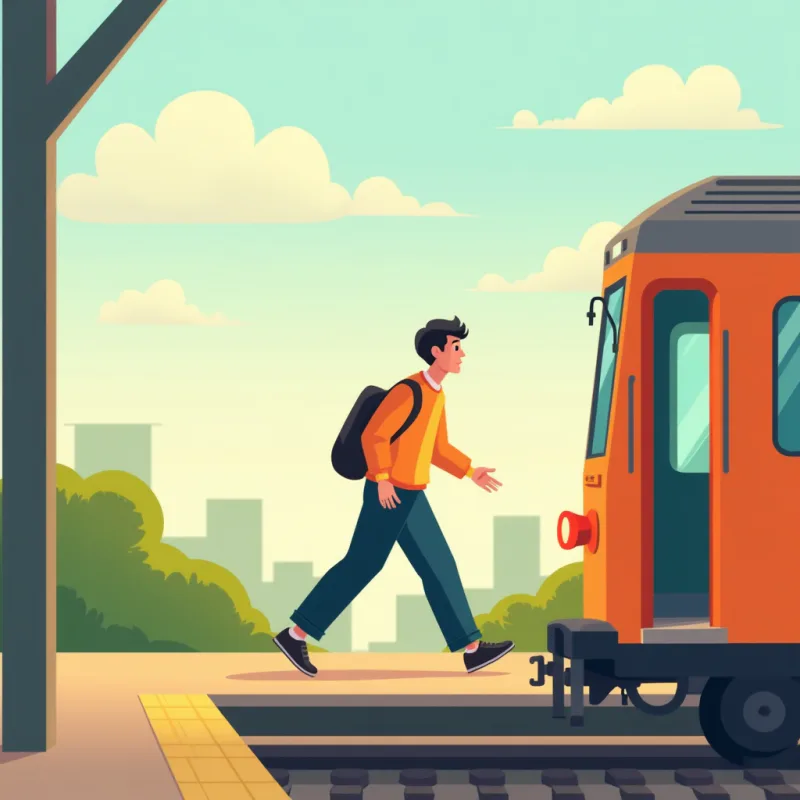
And here is the one that changes the most for the least effort. Get off one stop early. Walk the last stretch. Ten minutes of moving your own body in open air does more to reset you than the whole train ride did to wind you up, and it hands you back a small piece of the day that is yours.
There is a deeper thing going on, though, and it is worth naming. The packed train is the only time in your day when you are surrounded by people and connected to none of them. Dozens of faces, zero contact. It is closeness without any of the warmth, which is somehow more isolating than being genuinely alone.
Notice the shape of a hard week in Japan. Home, then the train, then work, then the train, then home. That is the whole map. Two destinations, nothing in between. When your entire day only ever points at your apartment or your desk, every trip between them is dead time you just have to endure, and the crowd on the train is scenery you resent rather than anyone you know.
That is why the commute can feel so much heavier than the hours it actually takes. It is not just forty minutes of standing. It is forty minutes of proof, twice a day, that this city is full of people and none of them are yours.
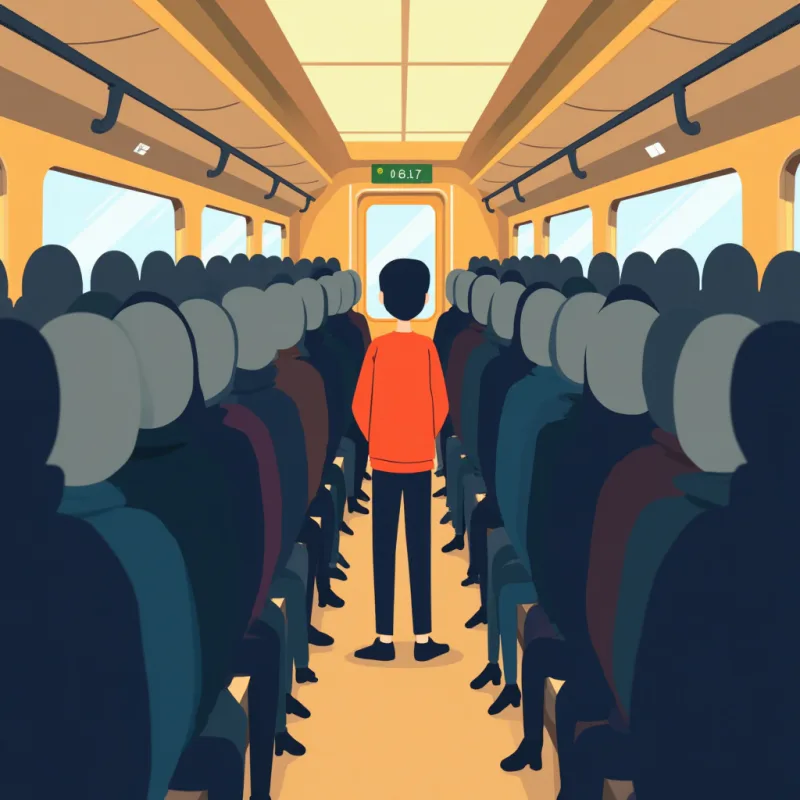
The fix that lasts is not a coping trick. It is a third place on your line. One person you could get off and see, one neighborhood along your route that means something because someone you like is in it. The day you have a reason to step off two stations early for a coffee with a friend, the train stops being a sentence and starts being a way to get somewhere good.
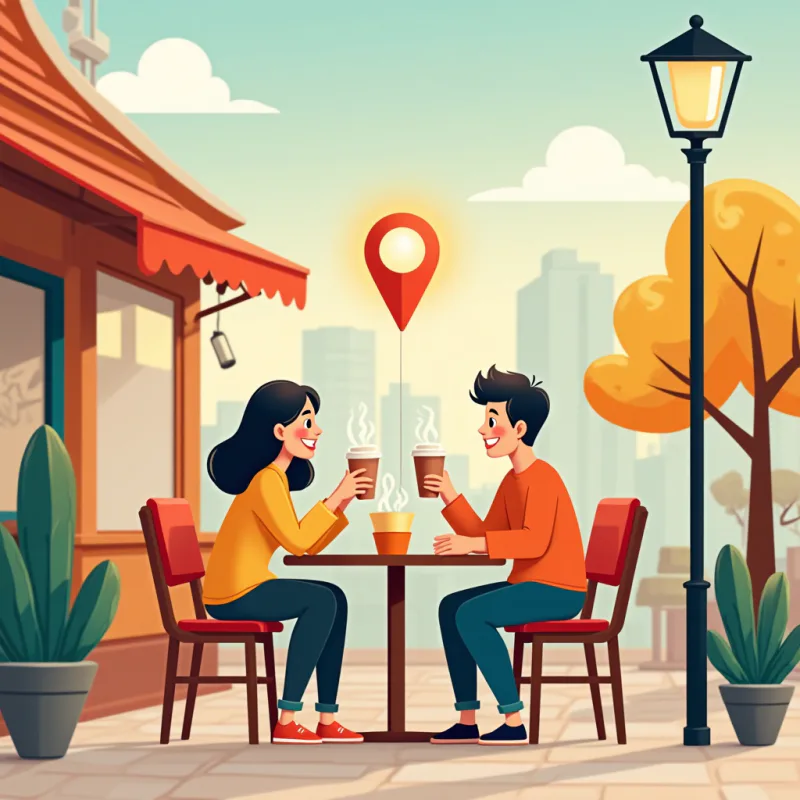
That is the whole reason we built the app the way we did.
SewaYou is a map-based app that shows you real people near you who also want to meet new friends. You set the map to your own area, or to a station you pass every single day, and you find locals and fellow residents who are genuinely close by, not a list of usernames three transfers away. You can also explore anywhere on the world map. When you focus on your own area, the people you discover are people you could actually get off the train and meet, which is the entire point of a friend who lives along your route.
Make Japanese Friends On a Live World Map
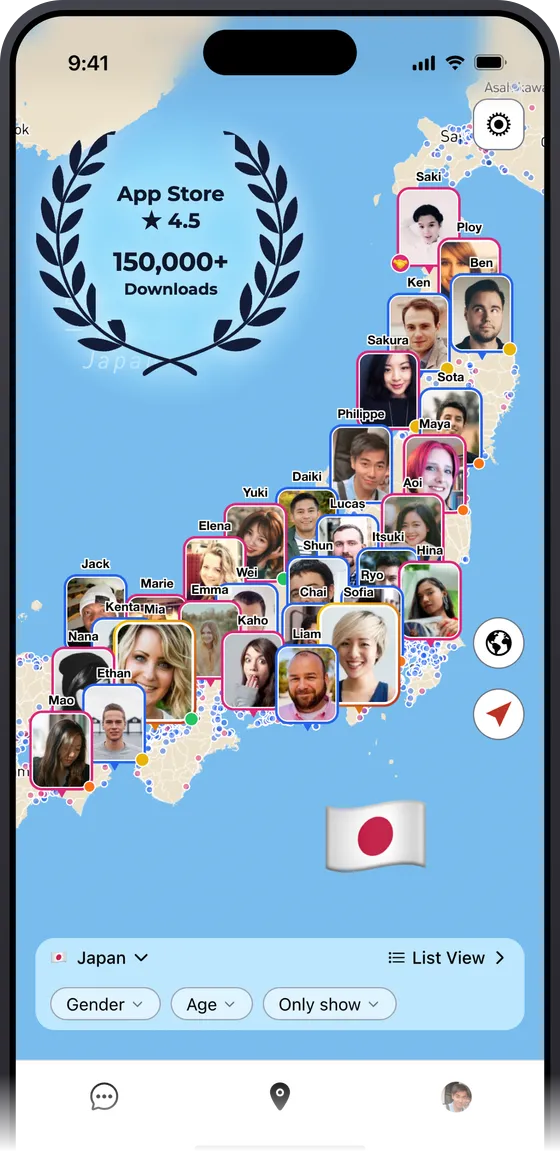
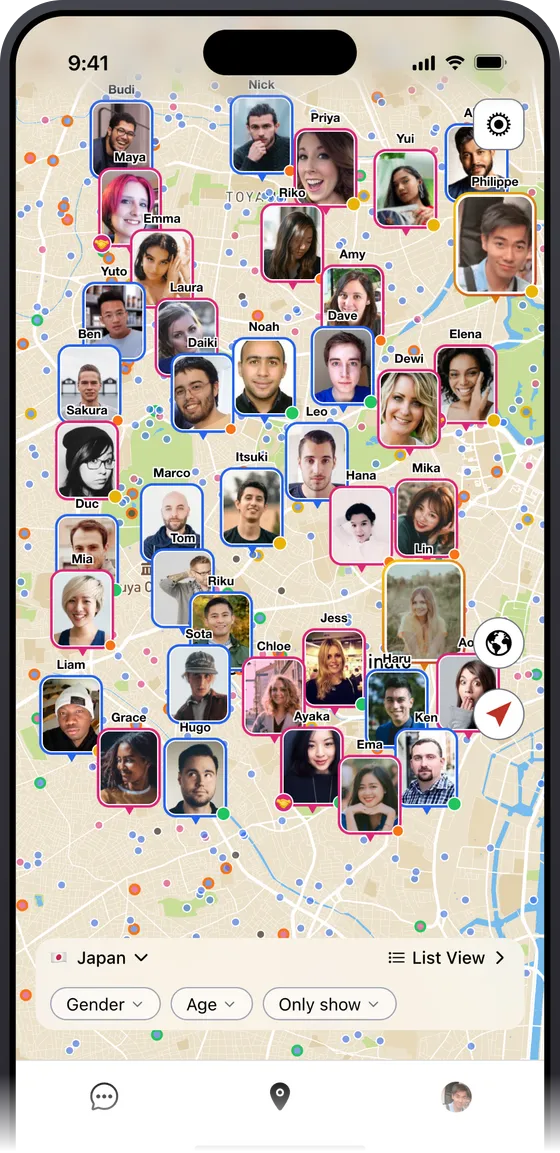
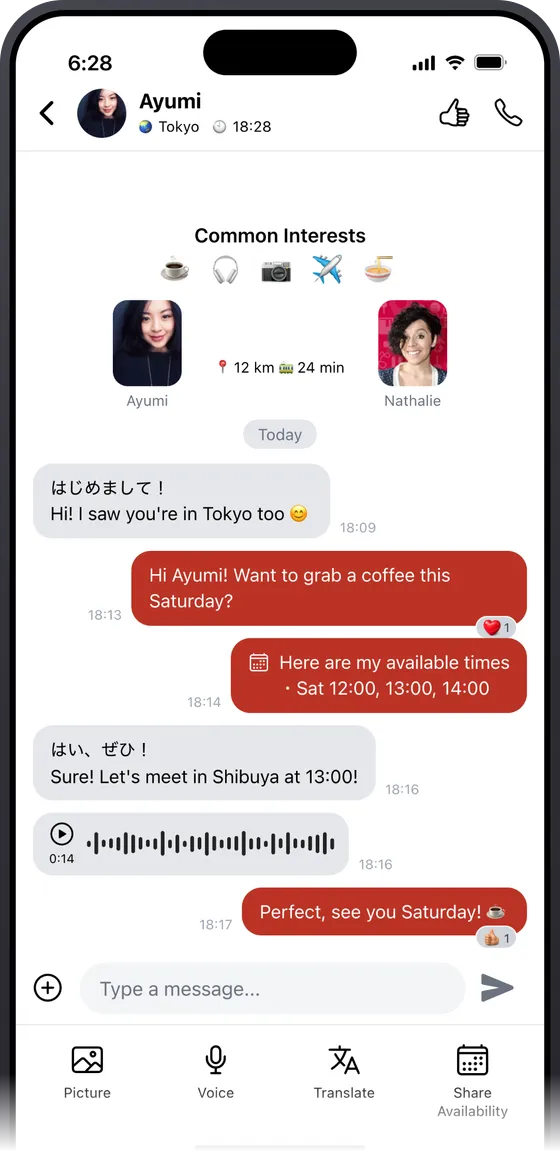


So stop trying to out-listen the crowd. Take the small wins where you can, leave a little earlier, walk the last stretch, and then go build the thing that really shrinks the commute. Tonight, set the map to your neighborhood or your favorite station on the line, read a couple of honest profiles, and send two messages to people you could realistically meet on a day off. Give the train somewhere worth going, and the ride stops being the worst part of your day.
If the job itself is starting to swallow everything, Your Job in Japan Is Not Allowed to Be Your Whole Life.
For building a real life outside the office, Work-Life Balance in Japan: Building a Life Outside of Work.


