

The first time Japan felt unfair to me, I waited for someone to be angry with me. A rule I had planned around quietly shifted. I was sure my Japanese coworkers would be just as annoyed. They shrugged. One of them said it could not be helped, then went back to work like nothing had happened.
That gap, the space between my outrage and their calm, bothered me more than the rule itself.
I have watched a lot of foreigners hit that same wall. You arrive with a very specific idea of what fair means. You assume it is universal. Then Japan hands you a situation where the goalposts move, the exception you expected never arrives, and the people around you do not seem bothered at all. It is disorienting. Processed alone, it quietly turns into resentment.

In a lot of Western thinking, fairness protects the individual. If you started something under one set of rules, you expect those rules to hold for you, even if they change for everyone who comes after. Grandfather clauses, exemptions, "you were already here" logic. That feels like basic justice.
Japan often weighs it differently. Fairness here leans toward consistency for the group and stability for the whole. The same rule for everyone, applied the same way, can feel more fair to many people here than a patchwork of personal exceptions.
Neither answer is the correct one. They are two different responses to the same question. The real trouble is that we rarely notice we were asking a different question in the first place.
When something feels unjust, the instinct is to find people who agree. So you post about it. You vent to the group chat full of other frustrated foreigners. Everyone piles on, everyone confirms that yes, this is insane, and for a minute it feels good.
That comfort has a cost. Shared anger isn't understanding. You walk away more certain you were wronged and more convinced the whole culture is against you. You are also, somehow, lonelier than before. You found people to be upset with, not people to make sense of Japan with.

I did this for longer than I would like to admit. It never once made living here feel better.
The turning point was boring. I stopped ranting and asked a Japanese friend, honestly, to explain how she saw it. Not to win the argument. Just to understand.
She did not tell me I was wrong to be frustrated. She told me what the situation looked like from the inside: the value placed on not making special cases, the weight of precedent, the quiet assumption that the group comes before any one person's plans. I still disagreed with the outcome. But it stopped feeling like a personal insult and started feeling like a different logic I could actually navigate.

That is the part no guidebook gives you. You cannot Google your way out of culture shock about fairness. You need an actual person who lives on the other side of it and likes you enough to be honest.
The foreigners who seem most at peace in Japan almost always have two things: local friends and honest foreigners. Locals who can explain the "why," and people a few steps ahead who can say "yeah, I felt that too, here is what helped."
You do not build that from a comment section. You build it from real relationships, and those are exactly the thing that is hardest to start when you are new, busy, or already a little jaded.
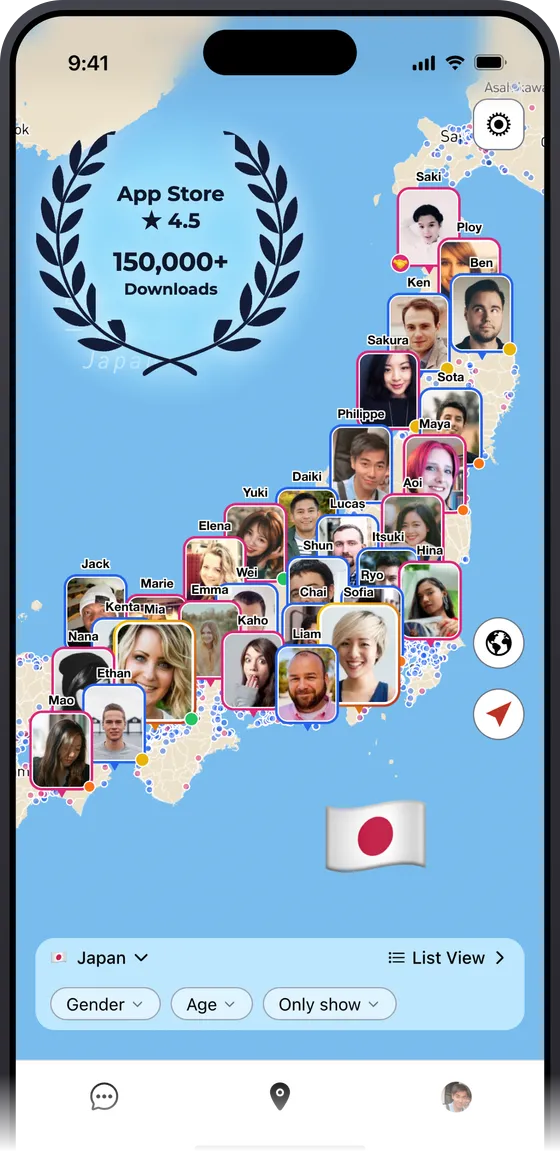
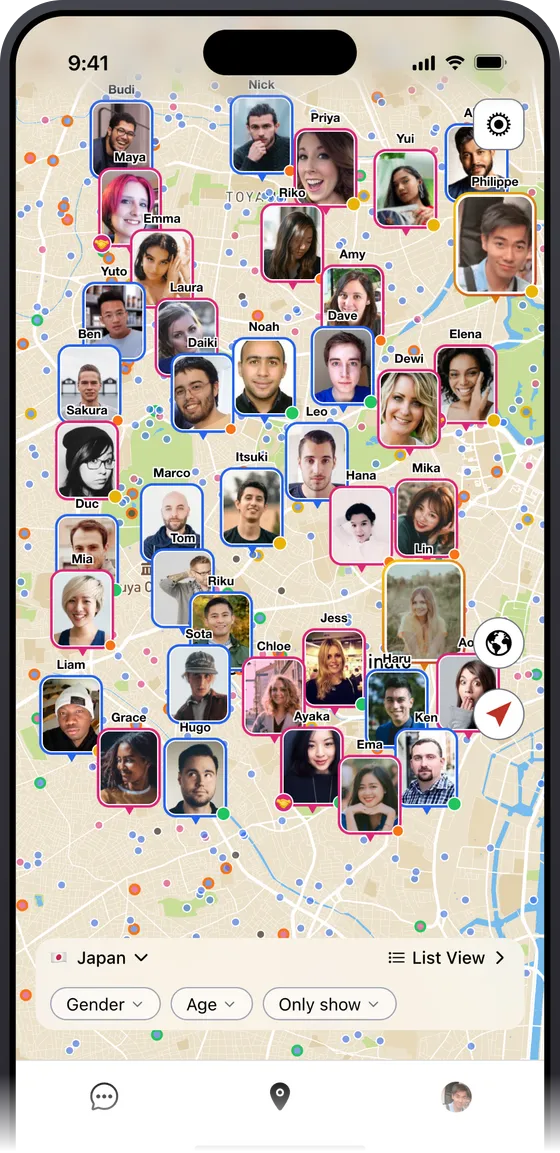
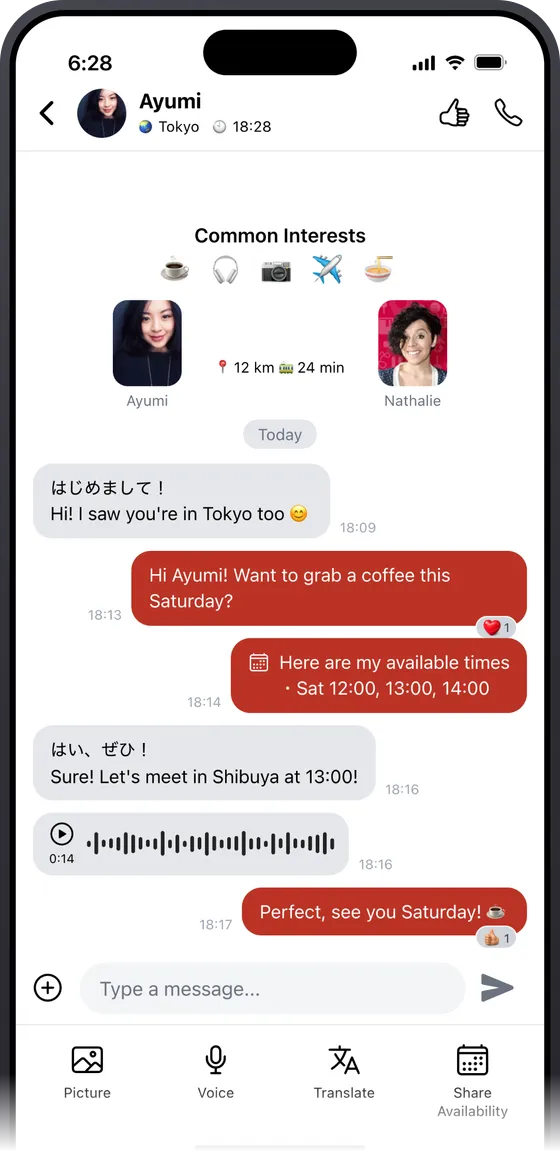
That is the whole reason I use SewaYou. It is a map-based app that shows you real people near you who actually want to connect, both locals and other internationals, so a passing question like "why does this feel unfair" can turn into a genuine conversation instead of another angry post.
Make Japanese Friends On a Live World Map


Japan is not going to feel less foreign because you argued about it online. It gets easier when someone you trust sits across from you and helps it make sense.
If you are tired of processing this country alone, SewaYou is a good place to find the people who will help you understand it. Not agree with everything. Just understand. That is usually enough.


