

You wake up with a fever. Your throat feels like sandpaper. And the very first thing you feel is not "I need rest." It's guilt.
If you work in Japan, you know exactly the scene I mean. You type the apology message to your manager three times before sending it. You calculate who will have to cover for you. You might even drag yourself to your laptop to prepare handover notes while running a temperature, because somehow being sick is not a good enough reason to actually stop working.
Here's the thing nobody tells you when you move here. That guilt is learned, not yours. And the longer you stay without an outside reference point, the deeper it sinks in.
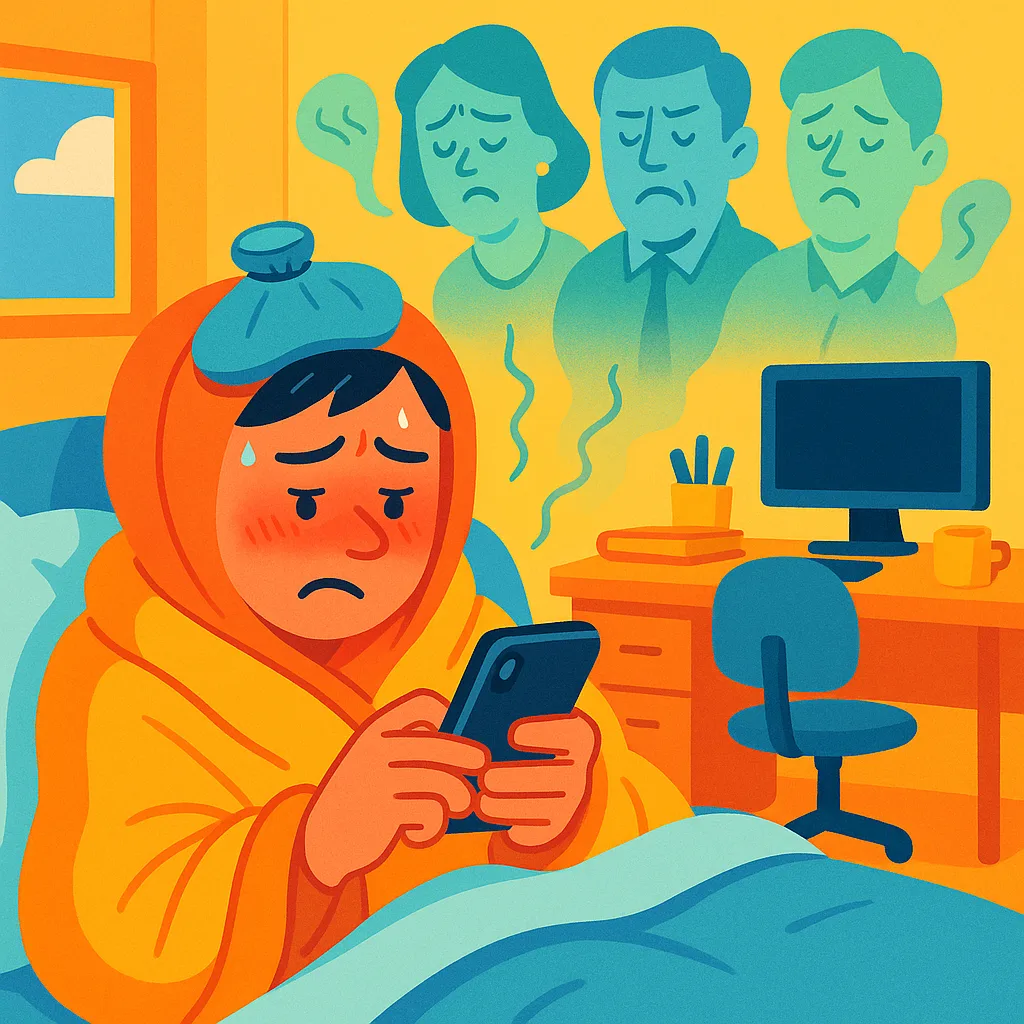
Japanese workplace culture runs on a simple idea: your absence is someone else's burden. The word everyone tiptoes around is meiwaku, causing trouble for others. Take a day off and a colleague covers your shift, your meeting, your classes. So the social cost of resting feels enormous, even when the legal right is sitting right there in your contract.
Then there are the comments. The sighs. The "must be nice to get a day off" said just loud enough for you to hear. None of it is official policy. All of it works better than one.
I've watched foreigners arrive in Japan with a perfectly healthy attitude toward rest. Two or three years later they're apologizing for catching a cold, as if a virus were a personal moral failure. Nobody decided to change. The environment did it quietly, one raised eyebrow at a time.
Here's the part that should worry you more than any single bad day. Most people who internalize this guilt can point to the exact moment they noticed it had happened. They say some version of the same sentence: "I used to not care what coworkers thought. When did I start caring this much?"
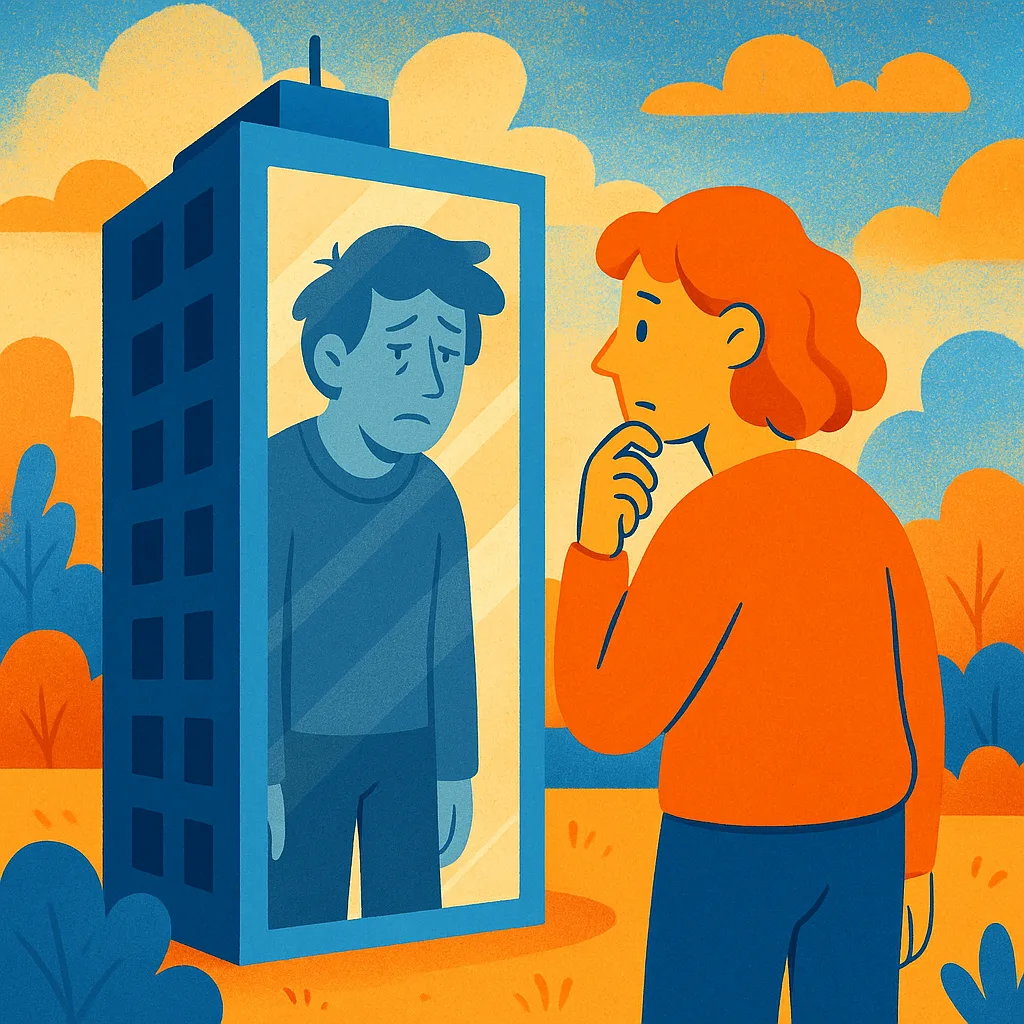
That shift doesn't happen because you're weak. It happens because of math. If your job is your visa, your income, your daily Japanese practice, and your entire social circle, then your workplace becomes the only mirror you have. Whatever it reflects back at you starts to look like reality.
A workplace where everyone performs exhaustion will convince you that exhaustion is normal. A staffroom where rest is treated as betrayal will convince you that rest is betrayal. Your only mirror sets your normal. That's the actual mechanism, and it has nothing to do with how tough you are.

You can't argue yourself out of guilt that an entire office reinforces forty hours a week. What you can do is dilute it.
The foreigners I know who stayed sane in Japan all did the same thing, whether they planned it or not. They built a social life that had nothing to do with their job. Friends in other industries who laughed out loud at the idea of preparing worksheets while sick. Japanese friends outside the office who said "of course you should rest, that's what sick leave is for." Other foreigners who reminded them what their old baseline even looked like.
One conversation like that does more than a week of telling yourself to care less. Guilt thrives in a closed room, and perspective is other people's normal walking in through the door.
It also changes how you carry the job itself. When work is 100% of your life in Japan, every small workplace slight feels existential. When it's 60%, the sighing coworker becomes background noise. Same office, same comments, completely different weight.

This is the practical wall most people hit. After a draining workday you're not dragging yourself to networking events, and your office friendships come bundled with the exact culture you're trying to get distance from.
That's actually why we built SewaYou. It's a map-based app where you can see people near you in Japan, locals and foreigners, who genuinely want to meet, practice languages, and make friends. No swiping games. You see who's around your neighborhood or your station, what languages they speak, and you start talking.
Make Japanese Friends On a Live World Map
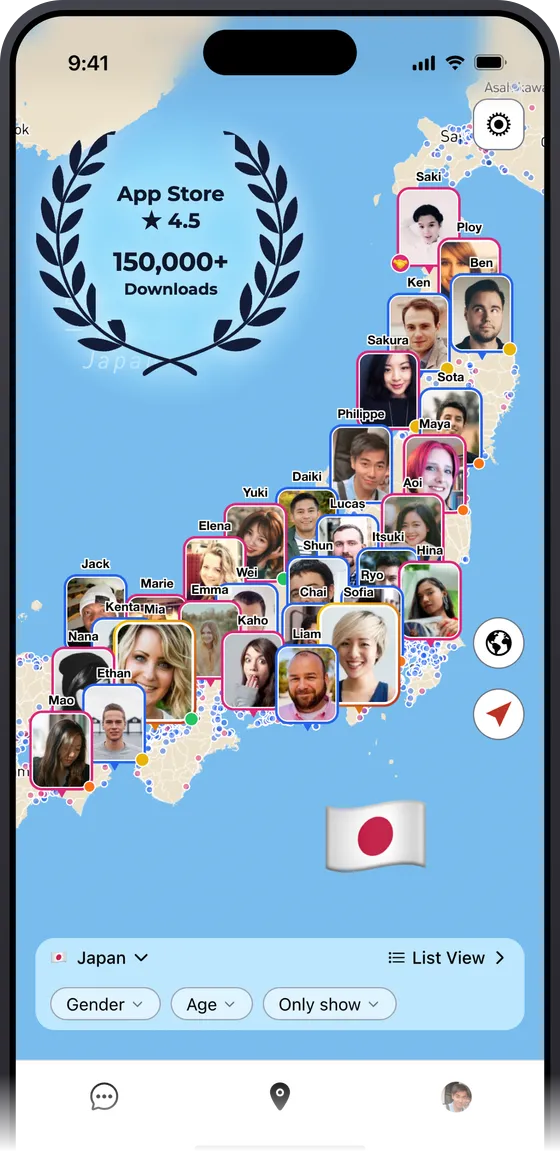
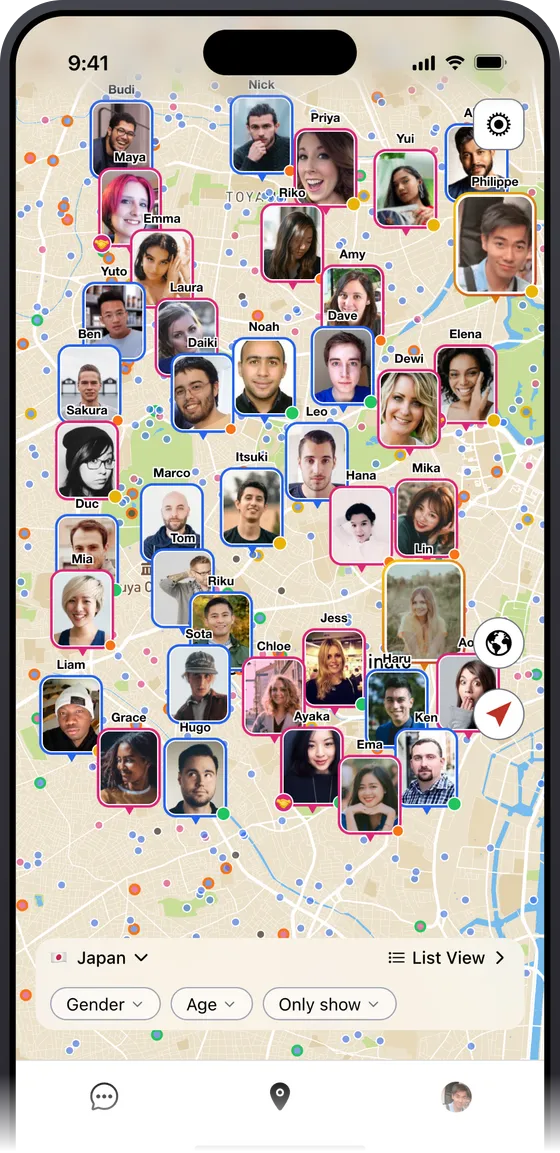
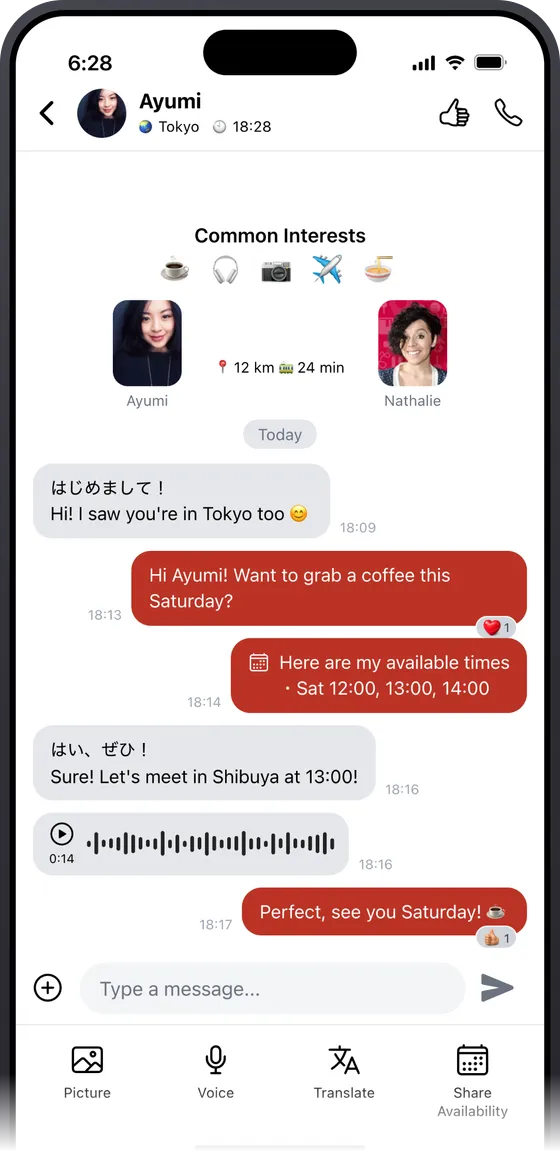


For someone whose entire social world is currently one staffroom, that's the shortcut. A Japanese friend who works in tech and takes her paid leave without apologizing. A fellow foreigner three stations away who went through the same guilt spiral two years ago and came out the other side. People who recalibrate your normal just by existing in your week.
Next time you're sick, take the day. Don't write the three-draft apology novel. Rest, recover, and notice the guilt for what it is: a cultural import you never ordered.
Then do the longer-term work. Build the bigger life. Make friends your job has no access to. Your job is one room, not the whole house, and the people who enjoy Japan most are the ones who furnish more than one room.
Download SewaYou and find your people nearby. Your future sick days will thank you.


