

You wake up before the alarm, and your first feeling of the day is dread.
Not nervousness. Not the normal Sunday-night sigh. A real, physical heaviness that sits on your chest before your feet even touch the floor. The classroom, the same lesson plan, the covering for someone else's classes, the new batch of students you now have to manage on top of everything else. You've done the math a hundred times and the answer keeps coming back the same: you have to get out.
But then the other thought arrives, the one that keeps you frozen. You don't have another job lined up yet. You've been applying, mostly to entry-level roles because your resume is thin, and nothing has landed. So you tell yourself you can't quit until something else is signed and sealed. And every day you wait, the dread gets a little heavier.
I meet this person a lot. And I've noticed something that almost nobody says out loud.
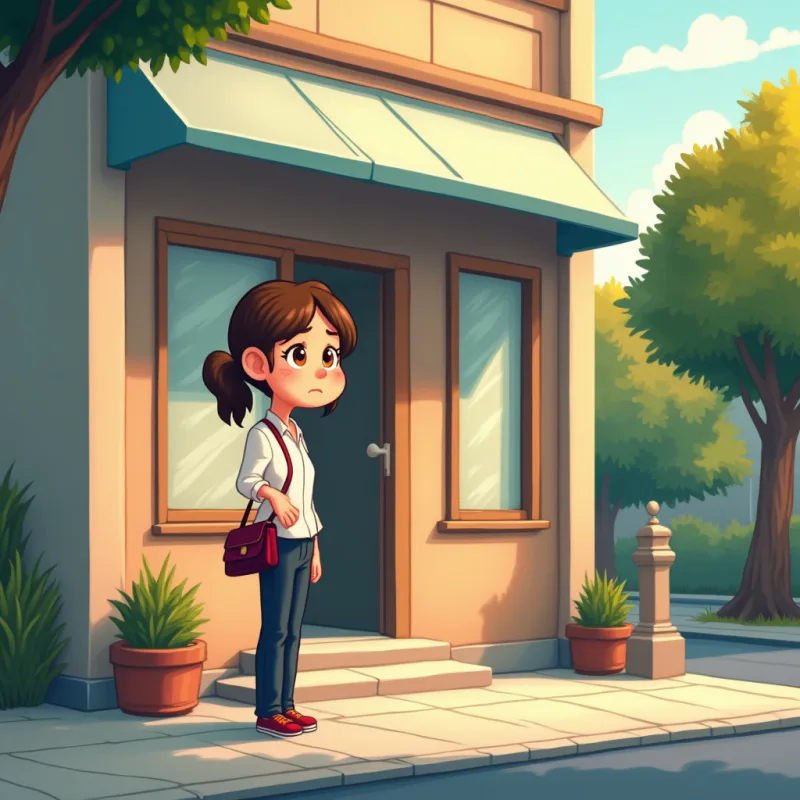
Ask someone why they can't quit, and they'll tell you it's the money. The visa. The gap on the resume. All real, all worth planning around.
But watch closely and you'll notice the fear is bigger than the logistics. People with six months of savings still feel it. People with a clear visa path still feel it. The panic doesn't shrink when the spreadsheet says you'll be fine.
That's the tell. The terror isn't financial, it's structural. Quitting doesn't just remove your paycheck. It removes the one thing giving your week its shape, its schedule, and, if you're honest, almost all of your human contact.
That's the part that makes leaving feel like stepping off a cliff instead of changing a job.
Here's how it happens, quietly, without you ever deciding it.
You move to Japan. You don't know anyone. The job is the first structure you're handed, so you build your whole life around it. Your coworkers become your default people. Your schedule becomes your identity. The staff room is where you have your only real conversations all week. Weekends feel empty, so Monday almost comes as a relief, which is a strange and awful thing to admit.
The job stopped being a job and became your entire social operating system.
So of course quitting feels like dying a little. You're not just leaving a workplace. You're deleting your calendar, your routine, and the only community you managed to build. For a lot of foreigners in Japan, especially teachers, work isn't one part of life. It's the container the whole thing is stored in.
And when the container is also the thing making you miserable, you're trapped in a loop that no amount of savings will fix.

Everyone tells you the same advice: don't quit until you have another offer. It's fine advice for your bank account. It does nothing for the actual emergency, which is your mental health.
Because here's the trap. If the next job is also your only source of structure and contact, you haven't escaped anything. You've just swapped one container for another and prayed the new one is less toxic. Sometimes it is. Often it's the same cycle in a different building.
The safety net you actually need isn't a second job offer. It's a life that doesn't collapse when the job does.
That means people you'd see this weekend even if you got fired tomorrow. A reason to leave the apartment that has nothing to do with a lesson plan. A conversation, in a cafe, with someone who has no idea what your student evaluation scores are and wouldn't care. When that exists, quitting stops being a freefall. It becomes just a Tuesday where one thing changes and everything that actually matters stays exactly where it was.
So flip the order. Before you obsess over the next contract, build the thing that makes any decision survivable.
You don't need ten friends. You need two or three people and one or two things you do that are yours. A weekly thing. A face you'll see on Saturday whether the job goes well or badly.
Do this while you're still employed, not after. Stress lies to you. It tells you you're too tired to meet anyone, that you'll socialize once things calm down. But things don't calm down on their own, and the isolation is half of why every morning feels so heavy. Waiting to feel better before you build a life is exactly backwards. The life is what makes you feel better.
Once you have even a small circle outside of work, watch what happens to the dread. The job is still annoying. But it loses its grip, because it's no longer the only thing you have. And from that place, you can make a clear-headed choice about quitting instead of a panicked one.

The honest problem is that building a circle from scratch in a new country is hard, and it's hardest exactly when you're burnt out and have the least energy for it.
Make Japanese Friends On a Live World Map
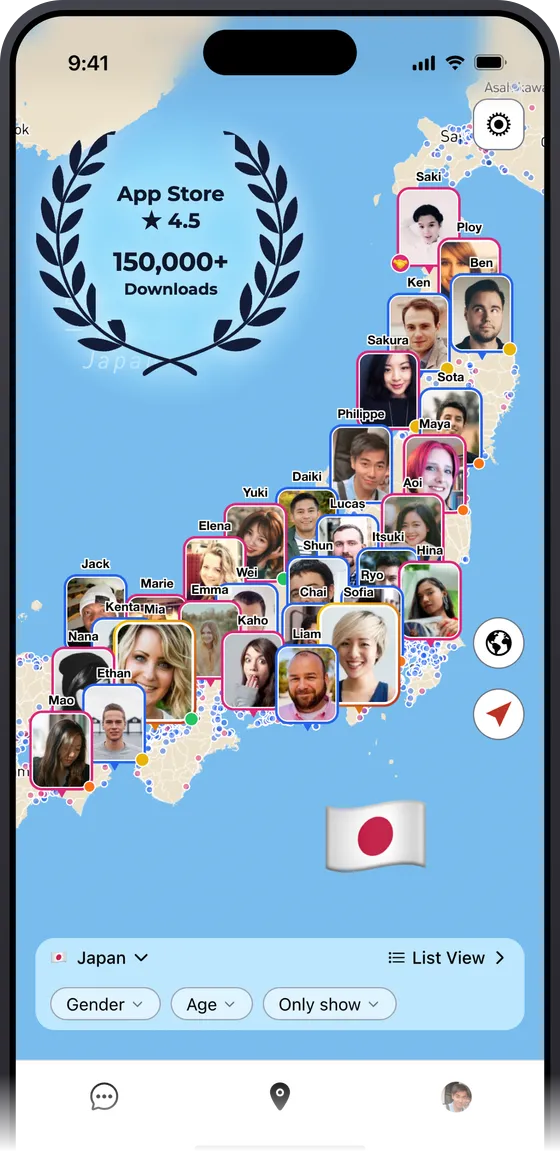
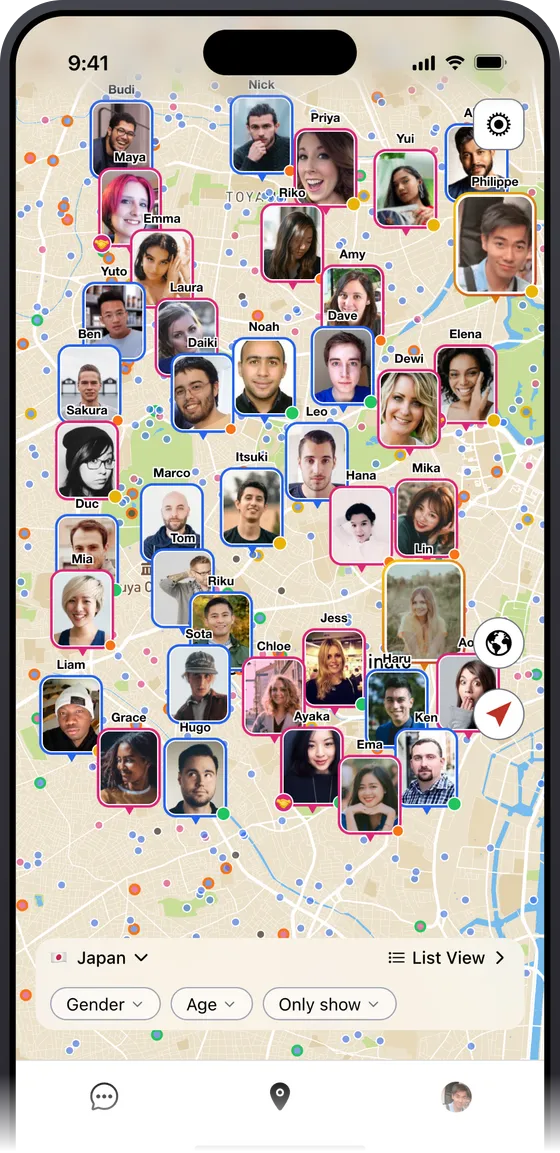
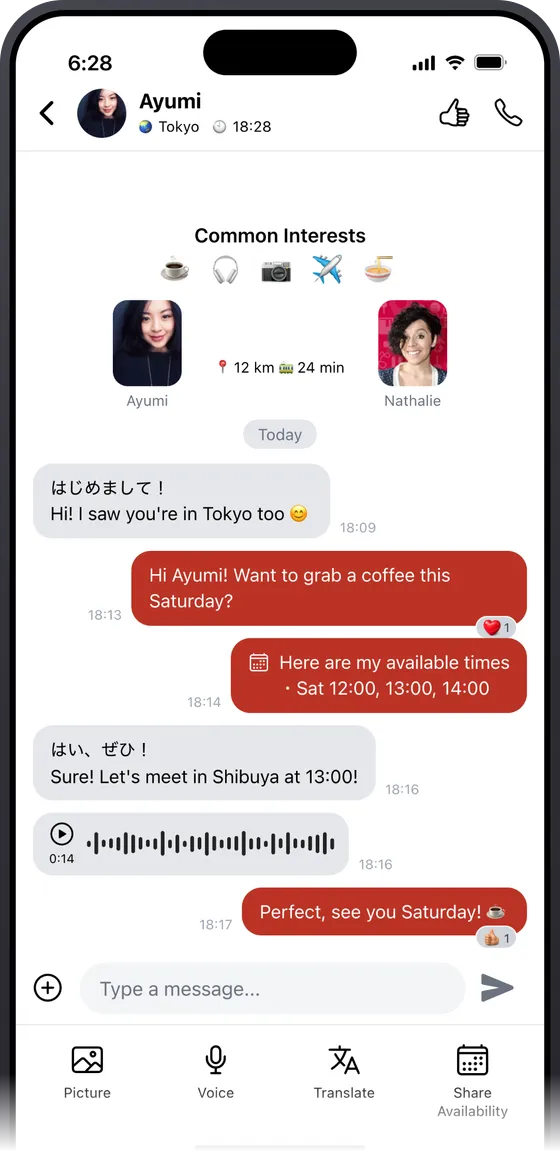


That's the gap SewaYou is built to close. It's a map-based app that shows you who's actually near you and open to meeting: other international residents going through the same grind, Japanese locals who want international friends, language exchange partners happy to trade an hour of English for an hour of Japanese. No cold nightlife, no forced networking, just people nearby who are also looking.
You build the safety net on purpose, one coffee at a time, instead of hoping your next employer accidentally hands it to you.

Quitting a job you dread is allowed. Doing it without a plan is scary, but the plan that matters most isn't the next contract. It's the people who'll still be there on the other side. Build those first, and the leap stops looking like a cliff and starts looking like a step.


