

So you typed "meet japanese people near me" into a search bar. Maybe you are learning the language, maybe you visited Japan once and cannot stop thinking about it, maybe you just want a friend from a different corner of the world. Whatever brought you here, the good news is that Japanese communities exist in almost every US city, you just have to know where they gather.
The bad news, if you want to call it that, is that they are not going to knock on your door. Meeting Japanese people near you takes a little intention. Here is where to actually look.
This is the one nobody tells you about. If you have a Mitsuwa, Nijiya, or Marukai anywhere within driving distance, that store is a hub. It is where Japanese families do their weekly shopping, where the food court quietly fills up with people speaking Japanese on a Saturday afternoon, and where the community actually shows its face.
You are not going to make a best friend in the frozen aisle. But the bulletin board near the entrance is often covered in flyers for tutoring, church groups, playgroups, cultural events, and language exchanges. That corkboard is a map of the community. Take a photo of it and you have a week of leads.

Most big US metros have a Japan Society, a Japan-America Society, or a Japanese cultural center. New York, San Francisco, Chicago, Boston, Seattle, and plenty of smaller cities all have one. These are not stuffy institutions. They run language classes, film nights, cooking workshops, networking mixers, and holiday events, and they are full of both Japanese nationals and Americans who love the culture.
Search "[your city] Japan society" or "[your city] Japanese cultural center" and get on their email list. The events are usually cheap and specifically built to get people talking to each other, which is exactly what you want.
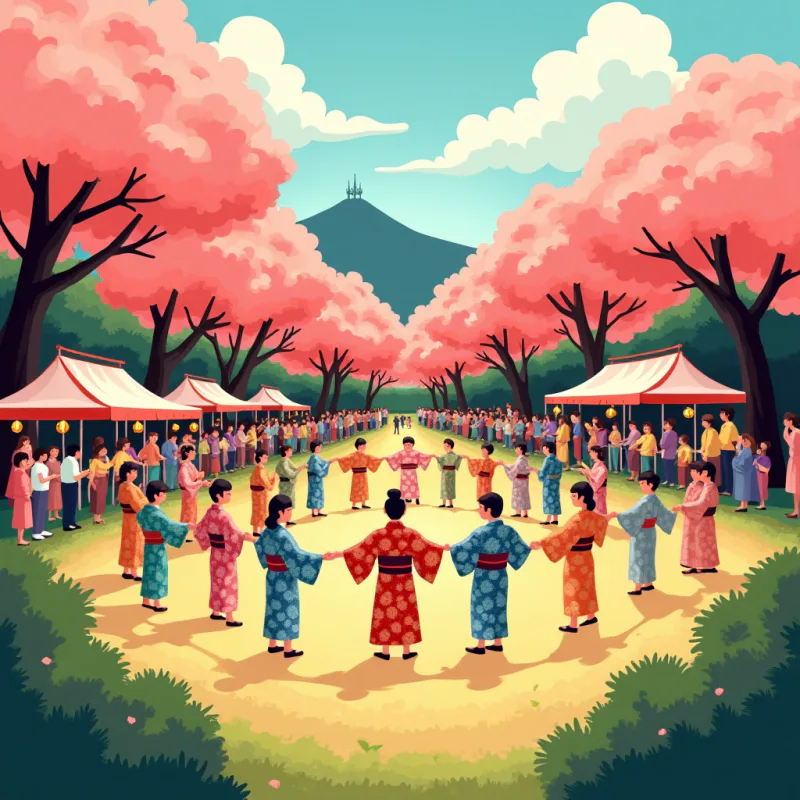
If there is one time of year the local Japanese community becomes visible, it is festival season. Cherry blossom festivals in spring and Obon festivals in mid to late summer draw huge crowds, and they happen in far more places than you would guess. DC, San Francisco, Seattle, Los Angeles, and dozens of smaller towns hold them every year.
Obon in particular is a real community festival, organized by local Buddhist temples, with dancing anyone can join, food stalls, and taiko drumming. Show up, eat something, join the dance, and talk to the people running the booths. Volunteering at one is even better, because you go from a face in the crowd to someone the organizers actually remember.
You do not have to be a student to benefit from this one. Nearly every university with a Japanese program has a Japanese language club, and many host conversation tables or culture nights that are open to the public. Community colleges run evening Japanese classes packed with people who share your exact interest.
If you are a student, this is the easiest win of your life. If you are not, email the club and ask if outsiders can join their conversation events. Most will happily say yes, because a bigger group is a better group for everyone in the room.
Apps aside, in-person language exchange meetups are everywhere. Check Meetup.com for "Japanese language exchange" or "Japanese English exchange" in your area. Bigger cities run weekly ones at cafes and bars where half the room speaks Japanese and half is learning it. It is low pressure, there is usually a drink involved, and everyone is there for the same reason you are.
The trick with these is to become a regular. Showing up once does almost nothing. Showing up three weeks in a row is how the familiar faces turn into actual friends.

Here is the honest version.
Everything above asks you to physically go somewhere and hope the right people are there that day. That works, and you should do it. But there is a quieter question worth answering first: who is already near me, right now, that I could just meet?
That is what SewaYou is for. It is a map-based app, not a swiping app. You open it and you see the actual people around where you live who are open to meeting, plotted on a map. There are no filters to fiddle with and nothing to swipe through. You look at who is nearby and reach out to the ones you would genuinely want to grab a coffee with.
One tip for using it as an American: put yourself on the map. The whole thing works by people discovering each other by location, so the point is not just to browse, it is to be visible so Japanese people and other open-minded folks near you can find you too. You can also explore Japan on the world map from home and start getting to know people before a trip.
Where it really shines for a US reader is when a trip is on the horizon. If you are planning to visit Tokyo, Osaka, Kyoto, anywhere in Japan, open the map on that city before you go. You can line up real people to meet before you even land, so you arrive with plans instead of a guidebook and a lonely first night.
Make Japanese Friends On a Live World Map
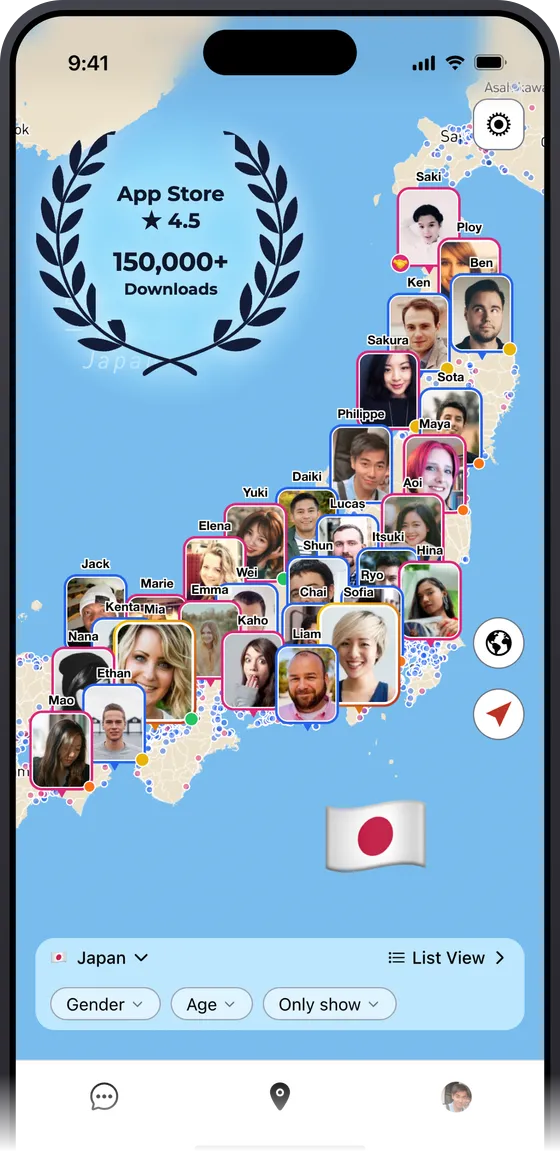
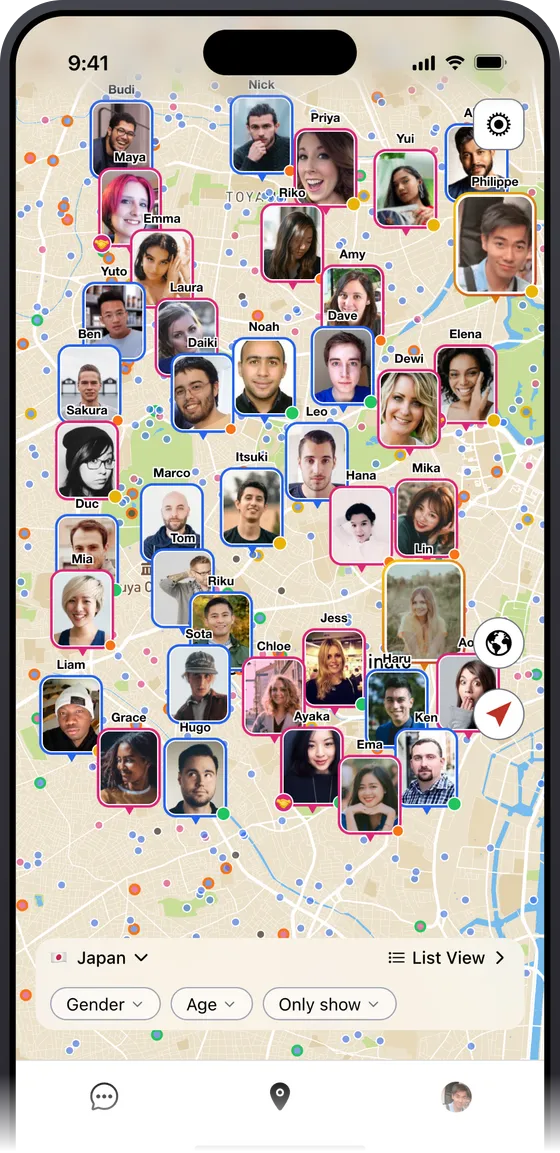
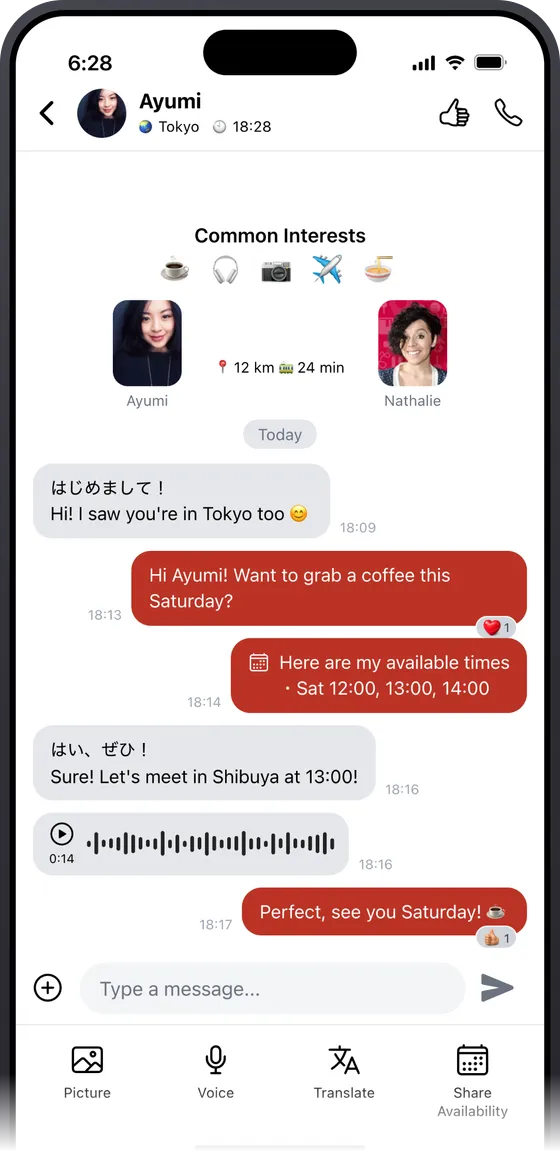


And because it is purely location-based, it works anywhere in the world. Meeting Japanese people near you today, meeting locals in Japan next spring, it is the same world map, which you can explore wherever you are, including before departure.
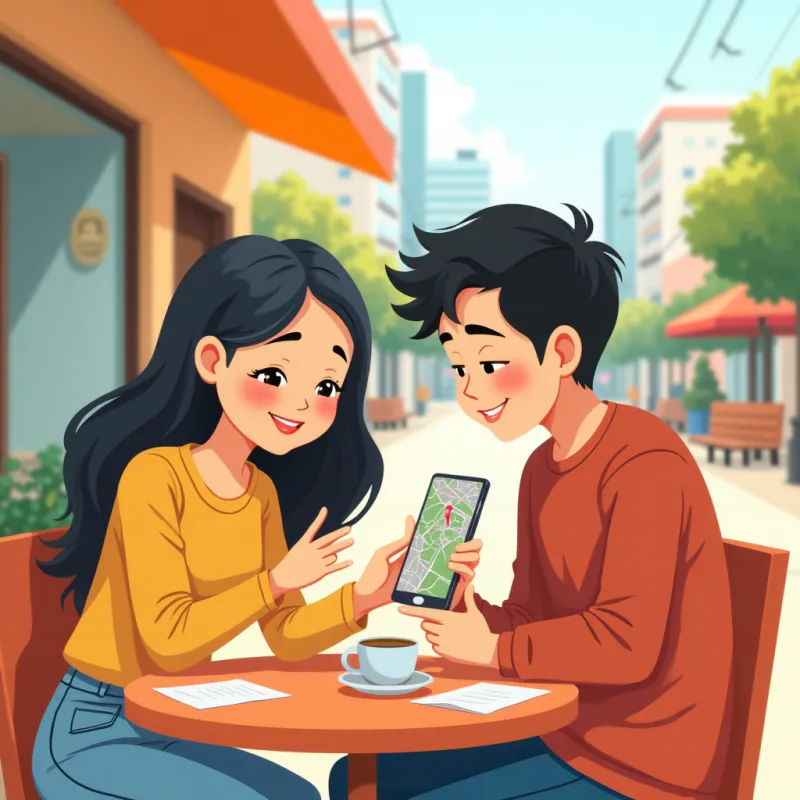
None of this happens by accident. The Japanese community near you is real, but you have to walk into the grocery store, show up at the festival, sit down at the language table, and put yourself on the map. Do a couple of those this month and "meet japanese people near me" stops being a search and starts being your weekend.
SewaYou is a map-based app that shows you who is nearby and open to meeting, wherever you are in the world, and lights all the way up the moment you point it at Japan. Open the map, put yourself on it, and go find your people.


