Every year I clear a few days for the one appointment that never appears in my schedule book. The visa renewal. You know the feeling. The short queue at the immigration window, the hanko stamp, the quiet exhale when the notice says one more year. Ten years of that will do something to a person. It turns a country you love into a lease you cannot extend.
One March at a time, forever. The funny part is how much staying requires anyway. Every year I have told myself the same thing. Just get through this cycle, then think about the future. Ten cycles later the future is just another March.
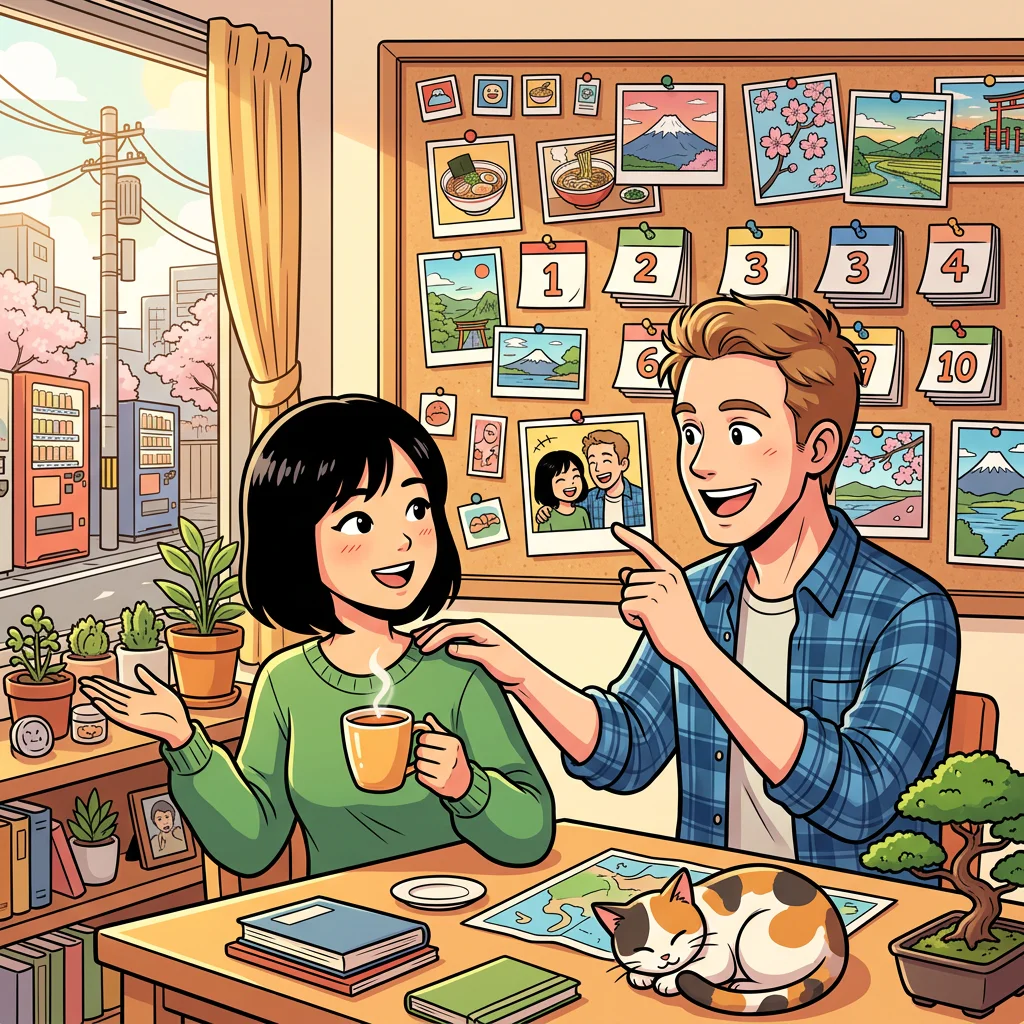
Here is the strange part of a decade of short visas. While your status stays stuck at twelve months, your life quietly stops being temporary. You learn which station exits skip the crowd. You know the barista's name without reading her badge. You have a regular seat at a ramen bar and a doctor who remembers your allergies. Your Japanese gets good enough that strangers assume you have always been here.
You argue about neighborhoods you have no real claim to. You say "let's go home" at the end of a night out, and you mean Japan, not wherever the passport says you are from. The paperwork never agreed with this. Your days did.
A temporary status can hold a permanent life.
Then comes the part everyone runs first when they think about leaving. The money. The yen against the dollar, the savings that look smaller every year, the loans that will outlive the trip. I have sat at midnight with the spreadsheet open and the exchange rate up, trying to make the numbers justify the feeling.
That spreadsheet keeps missing the line item nothing accounts for. The evening with friends that costs less than a movie and fixes more. The bike ride along the river in November. The apartment you stopped calling temporary three years ago. A weak currency can eat a lot of savings. It cannot eat the minutes that make a life.
People stay for the life, not the spreadsheet. Not because the arithmetic always works. Because the quality of the days works.
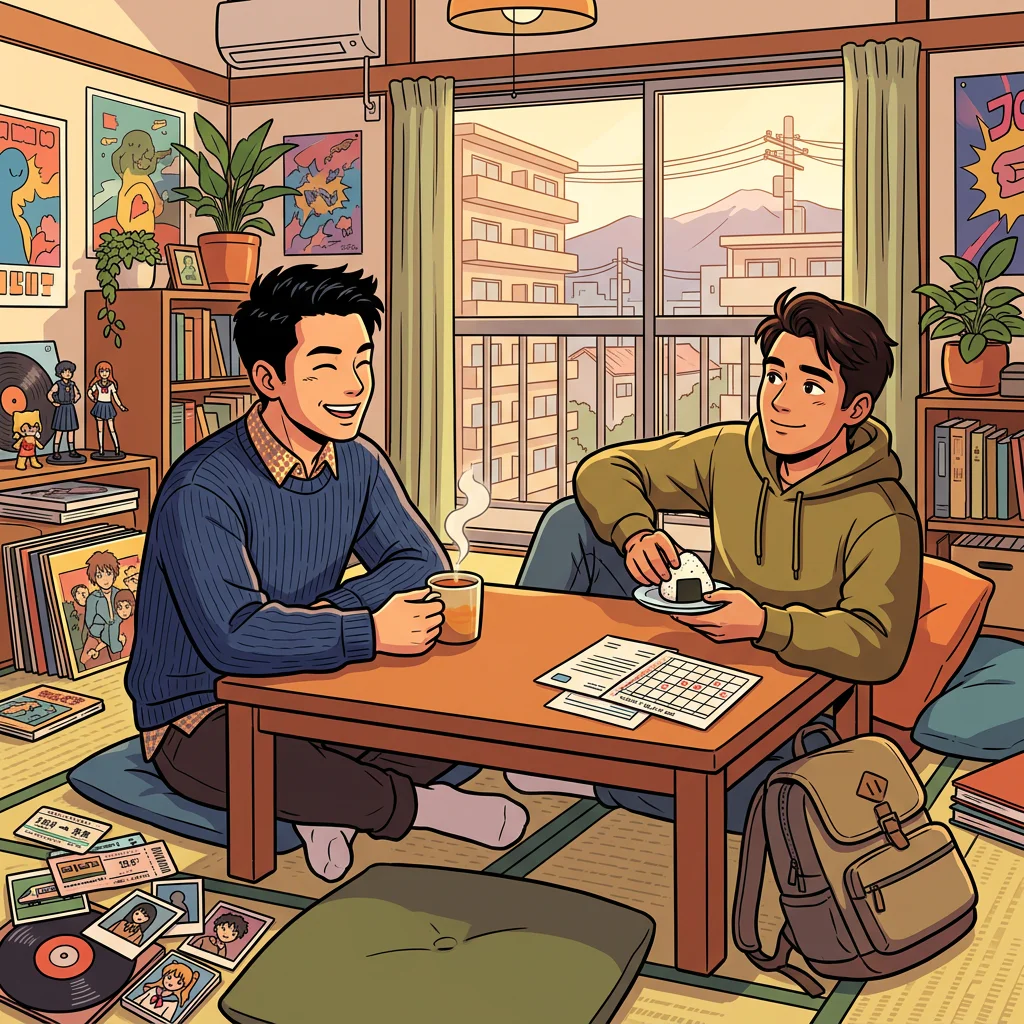
And then there is the heaviest question, the one that lives in drafts. Why do I feel like I am not welcome? Ten years of renewals whisper their own answer: they do not really want you to stay. And on a Saturday night with no plan and no message on the phone, the whole city can feel like it is agreeing.
That is exactly where I learned to doubt the feeling. Most of the rejection I felt was not the country speaking. It was a schedule with nothing in it. A lonely train ride at 9pm where every other person seems to have somewhere to be. It took me years to separate what Japan was saying from what my empty weekend was saying.
Isolation reads as rejection, and it is rarely either. When your connection to a place is just a job and a stamp, every small frustration sounds like a verdict. When it is also three people you can text at midnight, the same frustration just sounds like Tuesday.
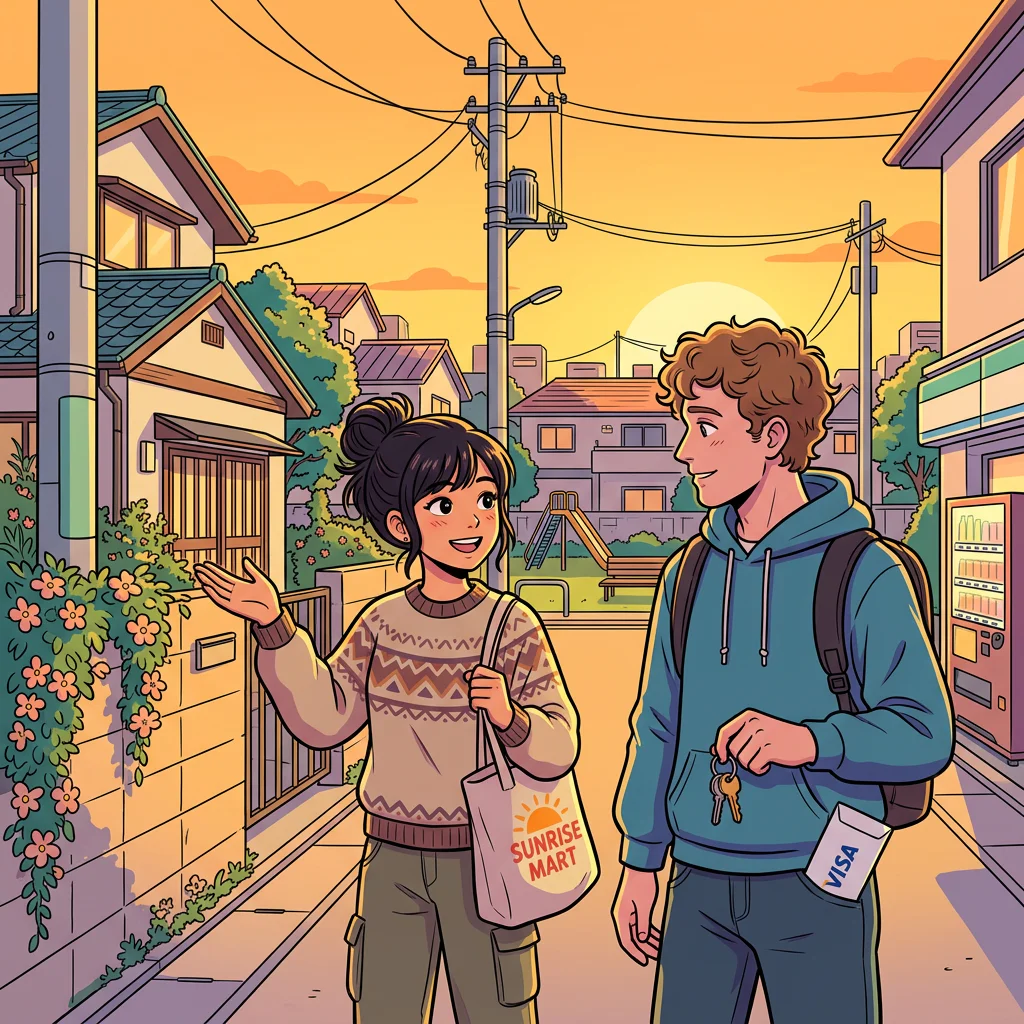
So here is the advice I would hand to my year-one self, the version of me who thought the visa was the whole question. It is not. The visa decides your legal status. Your friends decide whether it feels like home. Those are two different problems and only one of them is worth losing sleep over.
Build the parts that survive any renewal. A conversation partner who corrects your Japanese without making you feel small. A friend who will eat dinner at 9pm because that is when your day ends. People who will catch you when the notice one year comes back with a date you did not want.
Every long-term foreigner I know has asked themselves the same question. If I had to leave tomorrow, what would I actually grieve? The answer is never the building and never the salary. It is always the people. The friends are the difference between living somewhere and calling it home.
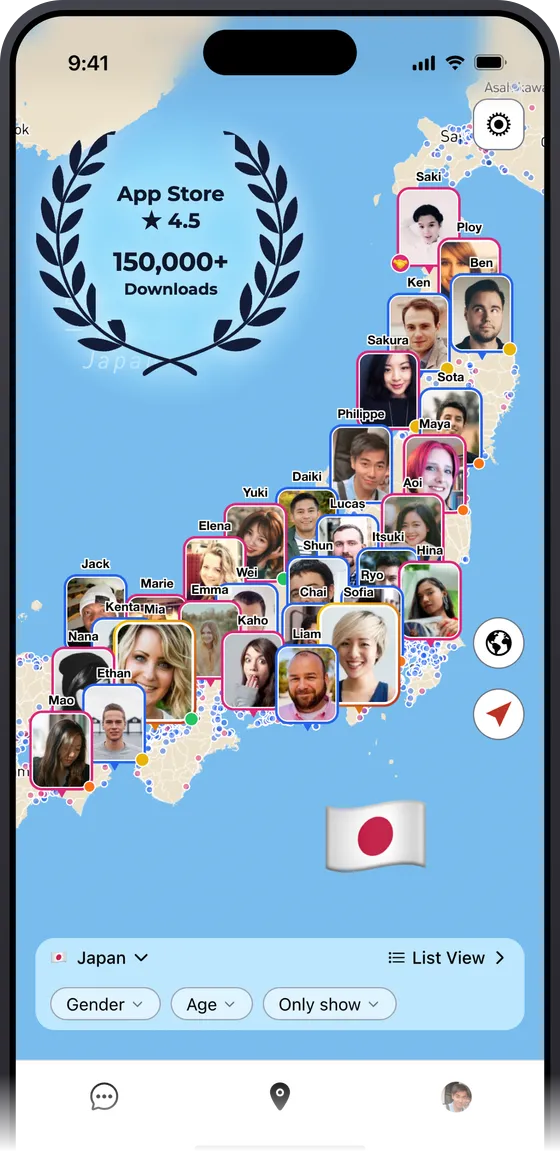
That is why the people behind SewaYou built it around a live map. Not a feed of strangers with polished bios. A map of actual people near you, right now, with a "let's meet" written somewhere in their profile. You can see who is around, who speaks your language, and who is also wondering whether someone will say yes to a coffee this week.
Make Japanese Friends On a Live World Map
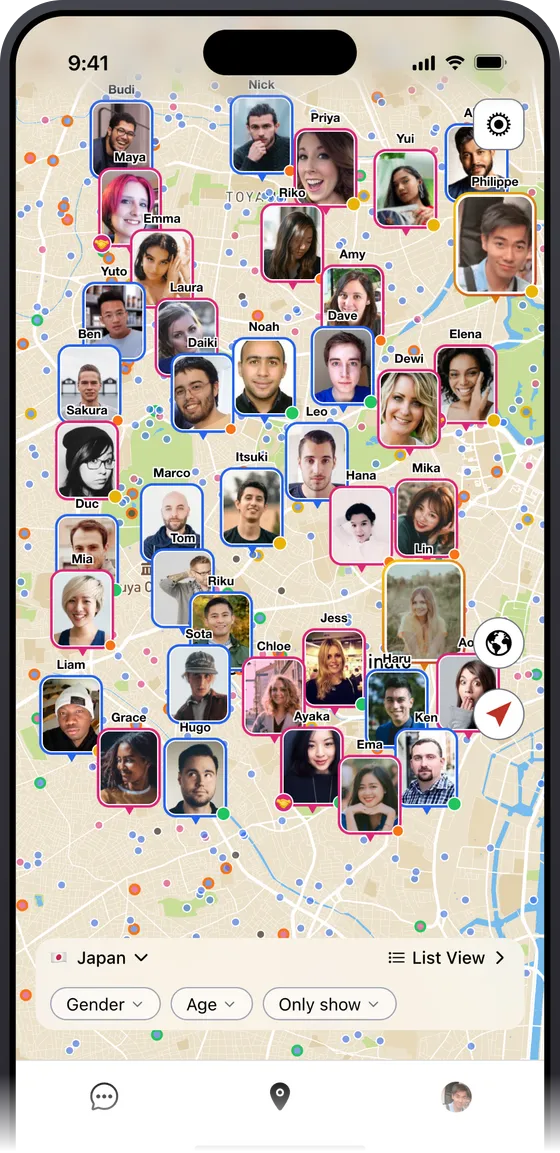
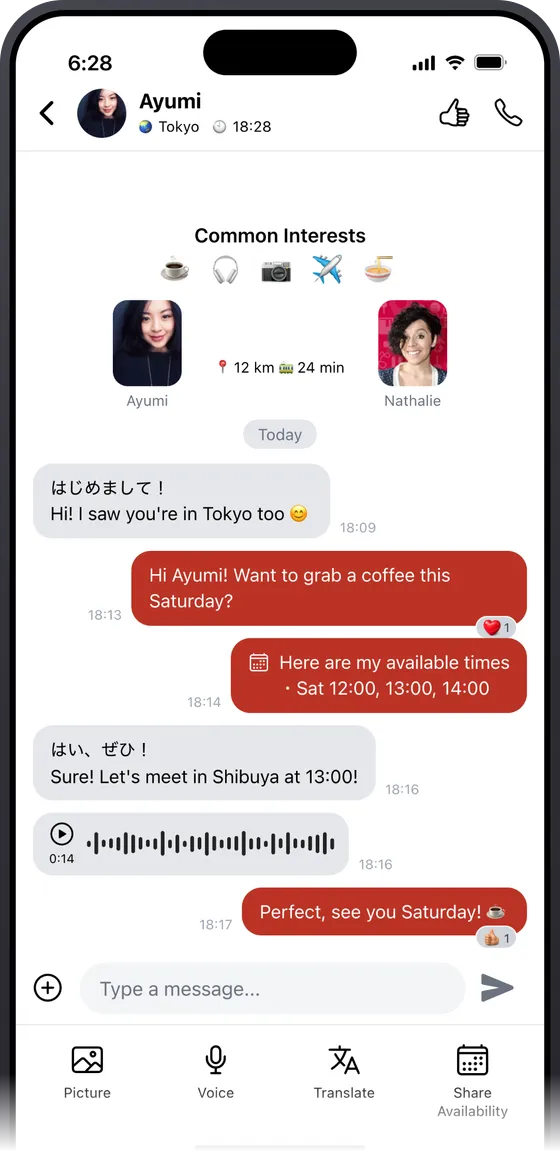


You do not need a five-year visa to start building a permanent-feeling life. You need one coffee on a Saturday and a new face across the table. Maybe that first meeting is awkward for ten minutes. Then it becomes a regular thing, then a group, then a city that starts feeling claimed.
A five-year stamp changes nothing about your evenings. Your evenings change when you start filling them with people.
Download SewaYou, open the map, find someone nearby who also thinks Japan could be home, and say hello. The visa stays one year at a time for now. That does not mean your life has to feel that way.