

You can have a phone full of friendly conversations and still have nobody to call on a quiet Sunday. If that sounds familiar, another introduction might not be what your social life needs most.
When people ask whether making friends in Japan has gotten easier, I think the useful question is: which part? Finding someone open to meeting you is one task. Becoming part of each other's ordinary week is another.
That distinction gives you something more useful than a verdict on whether Japan used to be friendlier. It gives you a next step.

Imagine arriving with limited Japanese and no local contacts. You can look for a language exchange partner, browse an event, or message someone who shares your hobby before you ever walk into a room. Those are useful starting points.
But comparing your experience with someone's life in 2006 is messy. Their workplace, university, neighborhood, language ability, and existing connections all matter. Someone with a welcoming sports club could have had a richer social life then than an isolated remote worker has today.
The distinction worth keeping is access versus belonging. An introduction opens a conversation. Belonging is being remembered, included, and comfortable enough to turn up without an exciting story to tell.
A friendly first meeting can be worthwhile on its own. It just doesn't automatically create the next one.
Picture a good language exchange evening. You laugh with someone, swap contact details, and say you should hang out again. Then neither of you knows what to suggest, and the conversation fades.
Was it a cultural barrier? Maybe. But before reaching for a theory about Japanese friendship, check the practical details: did either person suggest a time, a place, or something you both wanted to do?
My suggestion is to make the second meeting easy. Keep it small enough to fit into an ordinary week, and specific enough that the other person can answer.

For example, you could write:
I enjoyed talking about photography. Want to take a short photo walk near the station next Saturday afternoon? Coffee afterward if we feel like it.
That's a sample invitation, not a magic script. The useful ingredients are a shared interest, a concrete plan, and no pressure to turn a first conversation into instant closeness.
If they decline without suggesting another time, you can leave the door open and move on. You don't need to diagnose their intentions or chase a friendship into existence.
A big international event can be a great place to meet someone. A small recurring activity gives you a reason to see them again without arranging your whole social life from scratch.
Think about a beginner drawing class, a local walking group, a board game evening, or a regular language exchange. The best choice is something you actually like and can realistically attend. A brilliant group across the city may be less useful to you than a pleasant one near home.
Look for a reason to return. If you would enjoy the activity even on a quiet evening, you can give the group time without treating every visit as a friendship audition.
You also get more to talk about. Instead of repeating where you're from and why you moved to Japan, you can ask how the last game ended or whether someone finished their sketch.
That is a different kind of conversation: you already share a little history.
You don't have to pass an imaginary fluency exam before you're allowed to make friends. You can begin with the language you have, particularly when the other person also wants a language exchange.
Still, shared effort matters more than perfection. If one person is always translating, slowing down, and finding new topics, consider how you can share that work.
Learn the words connected to your shared activity. Ask a follow-up question. Remember something your friend told you and bring it up next time. In a language exchange, agree on how to give both people practice instead of quietly defaulting to the stronger speaker's preferred language.
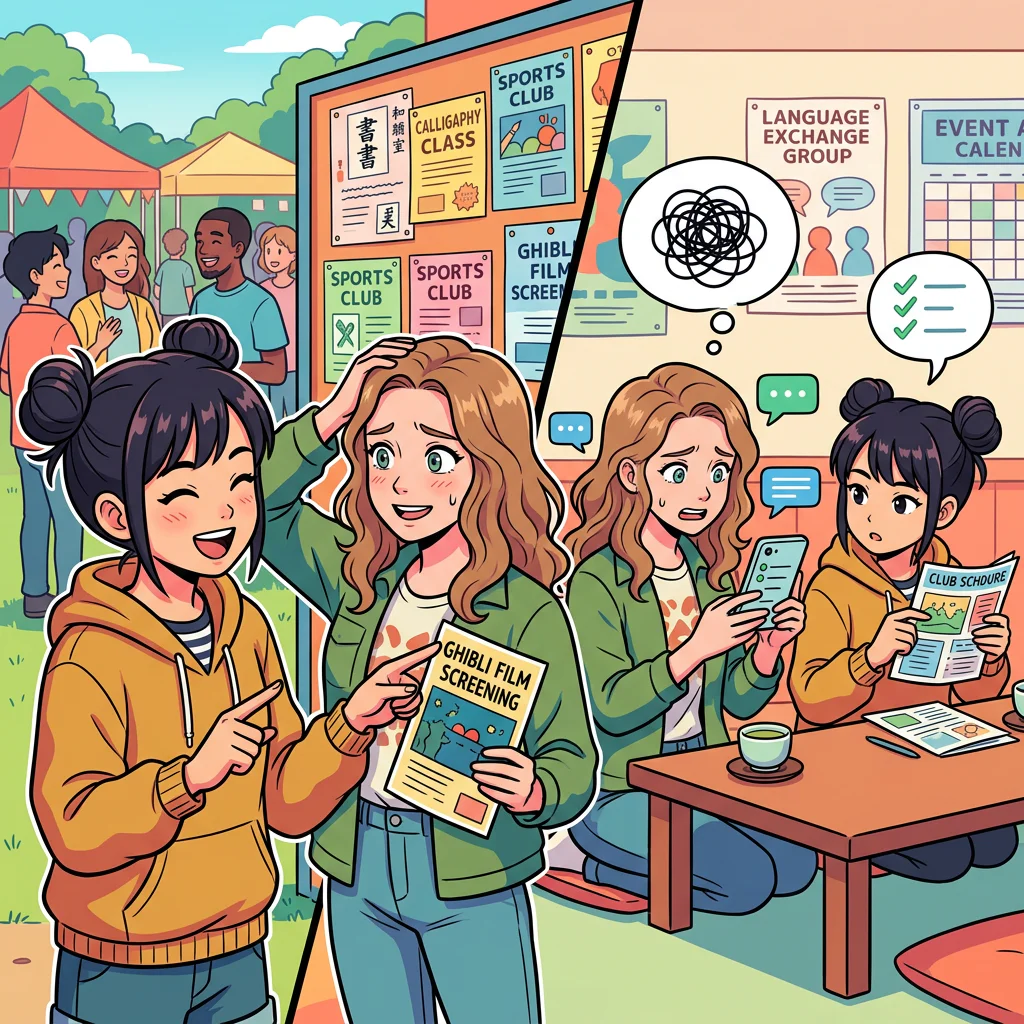
An activity can also give you something to do during a pause. Moving a game piece or looking at a photograph makes silence less demanding than sitting opposite someone trying to produce an uninterrupted conversation.
Keep learning Japanese because it can widen the conversations and groups available to you. You can work on that while building friendships, rather than postponing your social life until you feel ready.
If you've found welcoming people, you don't need to distrust those friendships because public discussion feels negative. If you've faced exclusion or prejudice, someone else's easy social life doesn't cancel that out either.
Your experience is not universal. A student surrounded by people looking for new friends and a parent with limited free time may need very different advice, even if they live near each other.
The same goes for location and language. An English-friendly event in central Tokyo tells you something about that room. It cannot tell you how every foreign resident experiences Japan.
Give yourself permission to describe your situation precisely. Maybe meeting people is easy, but coordinating schedules is hard. Maybe you have friends, but want deeper conversations. Maybe you haven't found a welcoming group yet.
Each problem points toward a different next step. None requires you to decide whether an entire country likes you.
SewaYou is a map-based app for finding language exchange partners and making friends nearby. Use it to look for someone whose interests overlap with yours, then explore whether there's a simple local activity you'd both enjoy.
Make Japanese Friends On a Live World Map
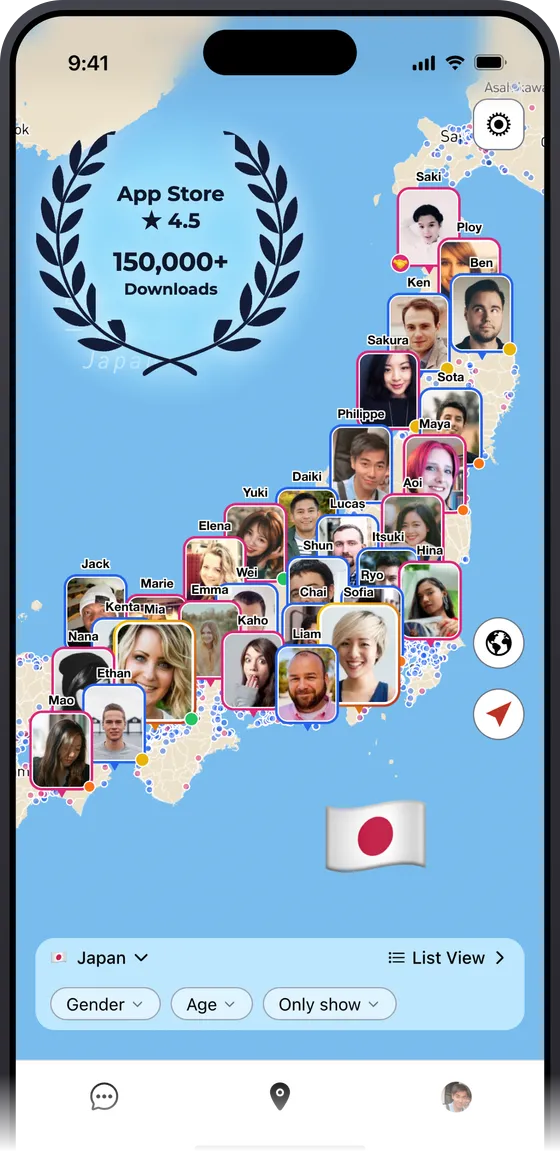
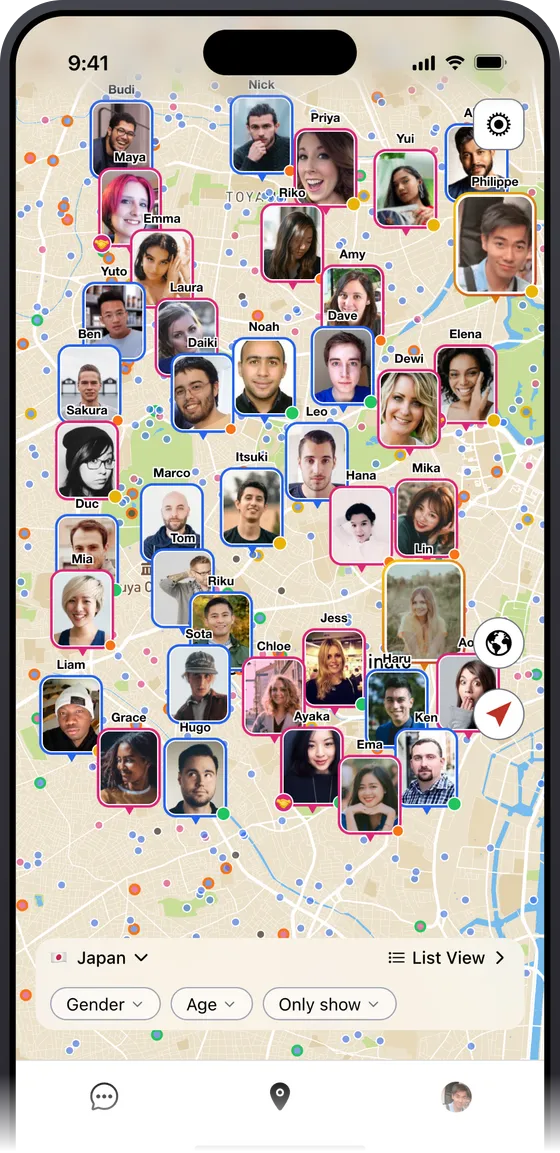
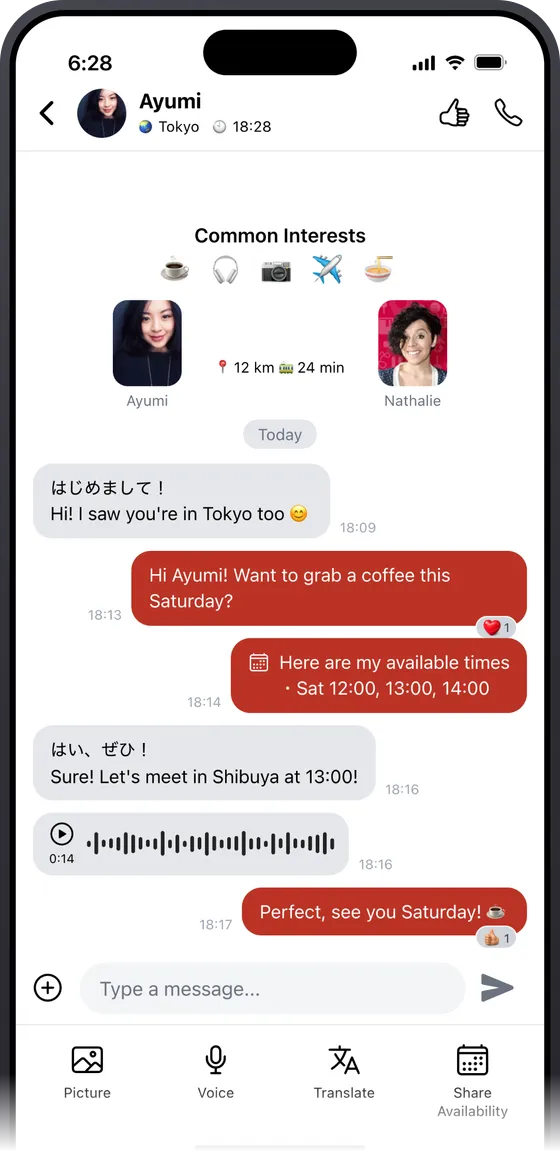


Aim for one connection you can nurture. You don't need to fill every evening or collect a huge list of contacts. A conversation that leads to coffee, then another coffee, is a perfectly good place to begin.
Try a manageable plan this week: start a conversation around a specific interest, suggest a short meetup in a public place if you both feel comfortable, and leave room for a follow-up. Let mutual interest set the pace.
Ready to find someone nearby? Download SewaYou and start with a hello you would like to repeat.


