There is a specific kind of dread that only exists in Japan, and it is shaped like an envelope.
You get home, open the mailbox, and there it is. Official looking. A ward office logo in the corner. Dense text, a couple of numbers, maybe a date with a circle around it. You do not know yet whether it is nothing, or whether it is the kind of thing that quietly costs you money or a deadline if you leave it on the counter. And you will not know until you sit down and give it forty minutes you did not plan to spend.
People warned you about the work culture before you moved. The long hours, the meetings, the boss who never leaves before you do. Nobody warned you that the thing keeping you up at night would be a letter you have not opened yet.
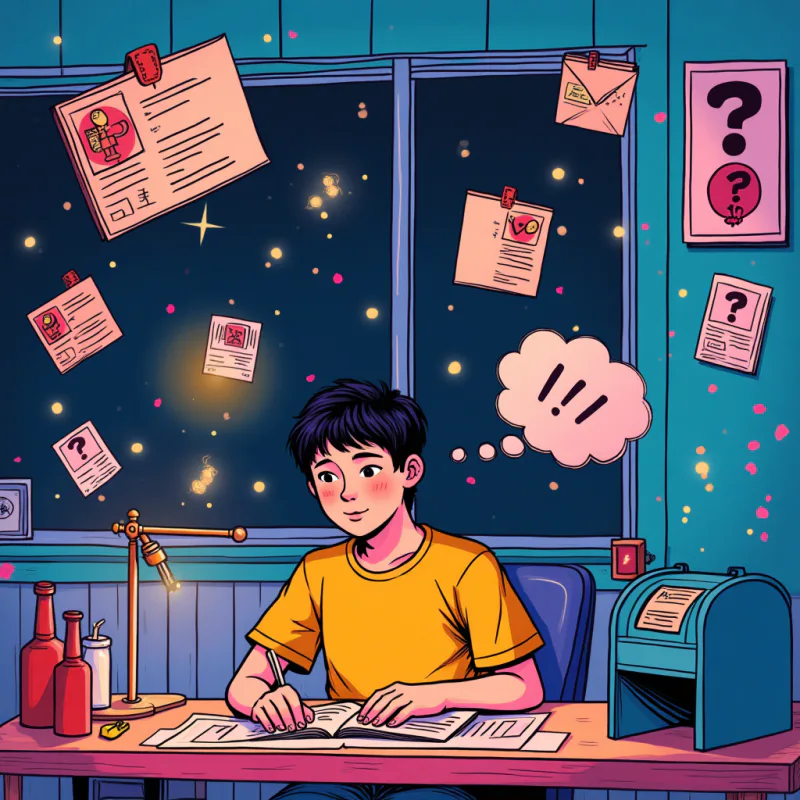
Here is the strange part. Almost none of it is actually difficult.
Registering your address, paying into pension, sorting national health insurance, renewing a card, filing the tax thing. Each individual task is a form, a counter, and a person who is, honestly, usually kind about it. Nothing here is calculus. Any one of these, on its own, is completely doable.
The stress is not difficulty. It is the feeling that everything is easy to get slightly wrong. Wrong box, wrong window, missed the small date on page two, brought the wrong document so now you come back tomorrow. The stakes feel invisible and high at the same time. You are never quite sure whether a mistake is a shrug or a problem you will spend six months untangling.
So you over-worry. You burn more energy on a single envelope than on an actual work deadline, because at work you at least know what happens if you are late.
The instinct is to reach for your phone and point the camera at the page. And it helps, a little. You get the words.
But words were never really the problem. It tells you this is a notice about your residence tax. It does not tell you whether this is a bill you must pay by the 30th, a receipt for something already handled, or a form you were supposed to send back last week. It gives you the words, not the stakes. And the stakes are the entire reason your stomach dropped when you saw the envelope.
That is the gap nobody mentions. The distance between understanding the words and understanding what you are supposed to do about them. A dictionary does not close that gap. Context does. And context is not something an app has. It is something a person has.
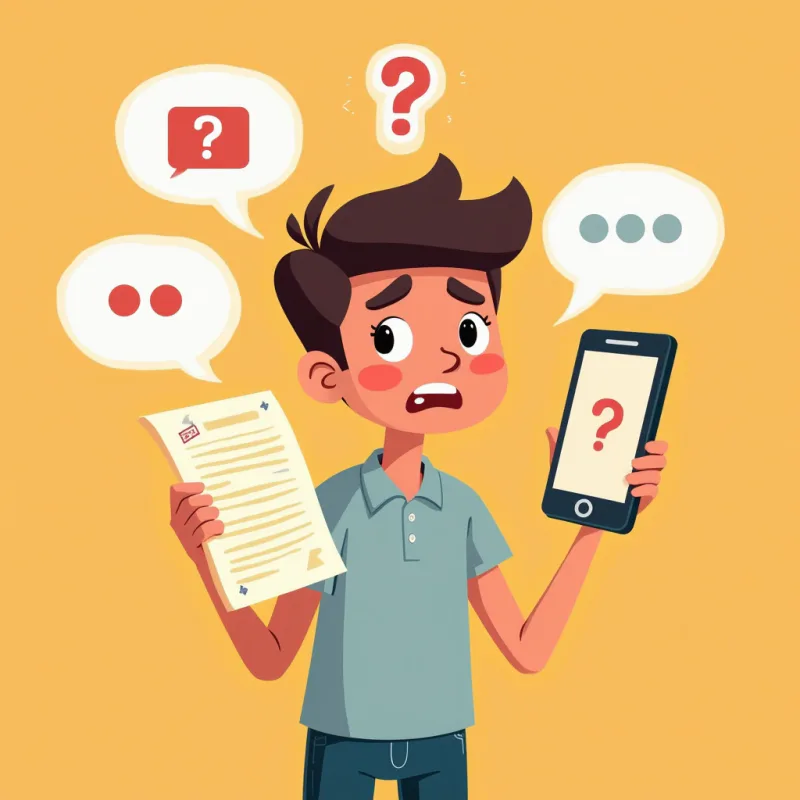
Ask anyone who has lived here a long time how the paperwork got easier, and almost none of them will tell you their Japanese finally got good enough. They will tell you they got one or two people they could ask.
Because the thing that turns a scary letter into a five-minute errand is not fluency. It is being able to take a photo, send it to someone, and get back a single sentence. "Oh, that is nothing, just keep it." Or "yeah, you have to go to the ward office for that one, bring your residence card." One sentence, and the dread is gone.
That is the whole trick. Long-term residents are not calmer because the letters got simpler. They are calmer because they stopped opening them alone.
And notice what that person does not have to be. Not a lawyer. Not a professional translator. Not your company's HR. Just someone who has lived here a while, has opened the same envelope before, and does not mind you asking. That is a low bar. It is also, if you moved here without a built-in circle, weirdly hard to clear.
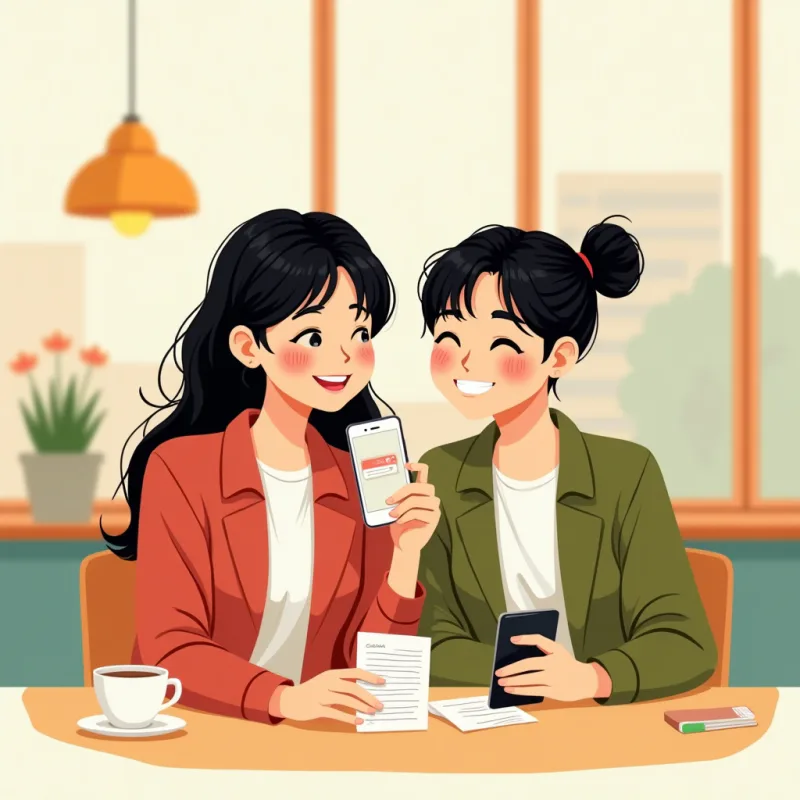
So the real problem underneath the paperwork problem is not the paperwork. It is that a lot of people move to Japan and end up without a single casual local contact to ask.
Your coworkers are coworkers. You do not really want to show your pension letter to the guy at the next desk. Your friends back home are twelve hours behind and have never seen a residence certificate. And the neighbor you nod at every morning has never once become someone you could text a photo of a tax form to.
That gap is the thing worth solving, and not only because of the mail. The person who explains the letter is usually the same person who tells you which clinic to go to, which line to take, where to buy the thing you cannot find anywhere. Admin is just the most concrete version of a much bigger need: someone nearby who has your back.
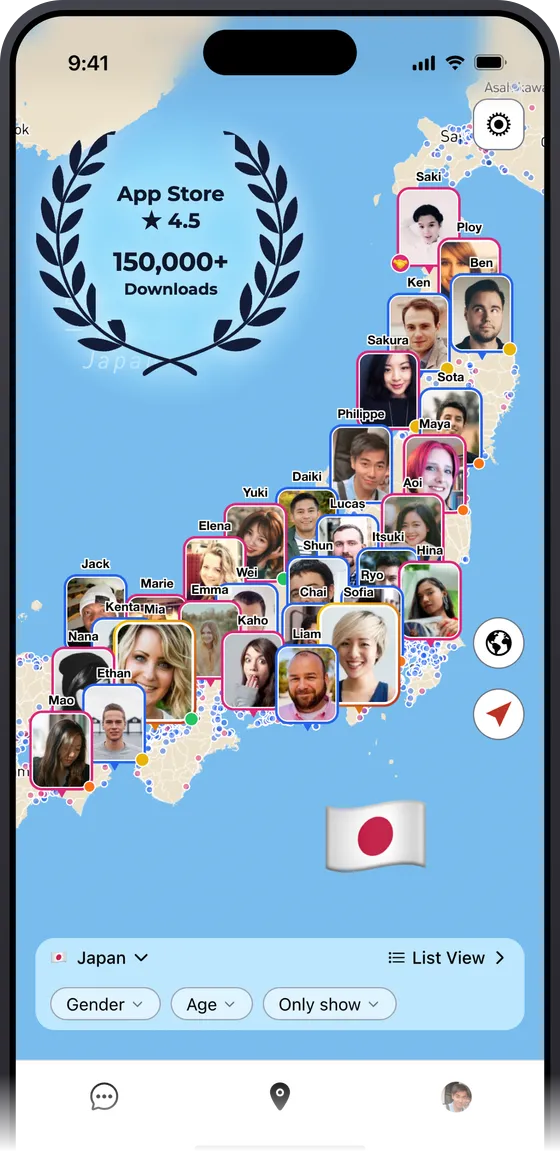
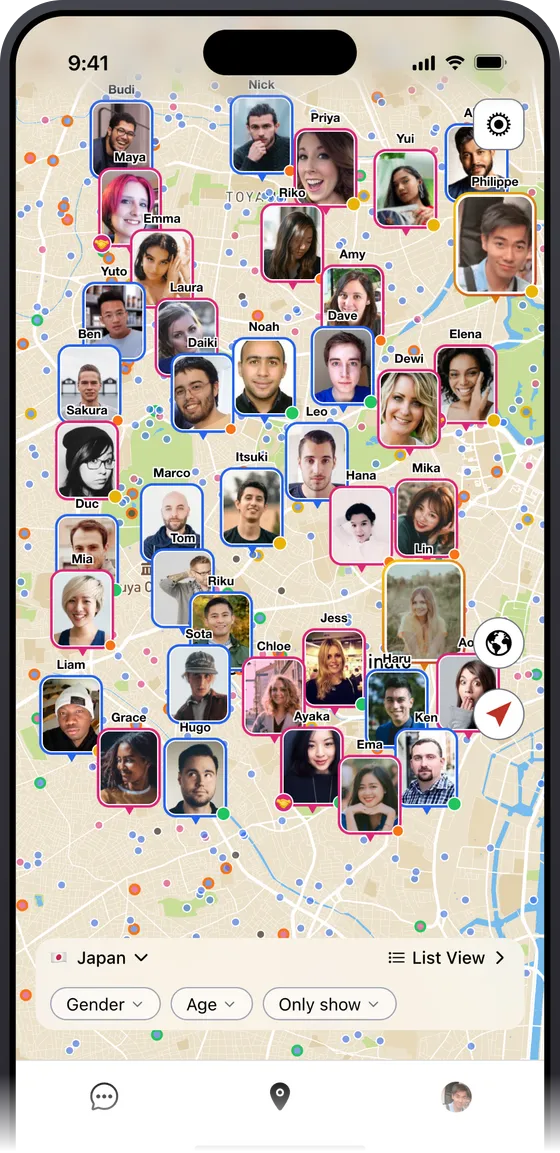
SewaYou is a map. You open it and real people near you show up, people who actually want international friends and are happy to help. No swiping, no algorithm deciding who you are allowed to see. You just see who is around. Maybe someone a train stop away who moved here five years ago and has already opened every one of those envelopes. You are on the map too, so people can find you the same way.
Make Japanese Friends On a Live World Map
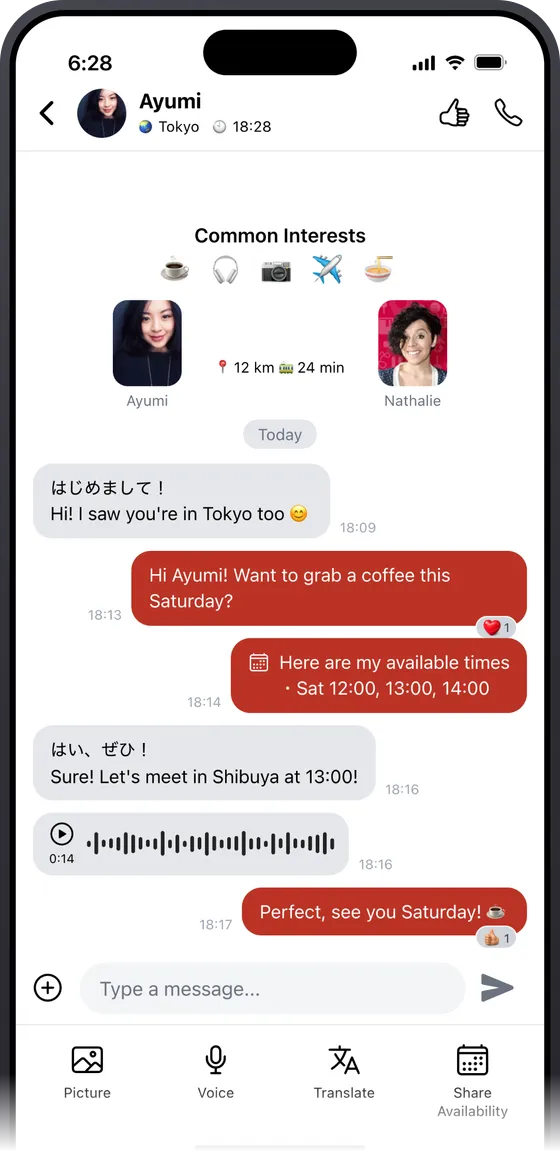


The point is not to find a best friend before you understand your health insurance. The point is that friendship and the boring practical stuff are the same problem. The person who becomes a real friend is often the same person who, one random Tuesday, glances at a photo of a letter and says "do not worry about that one." Both of those things start with knowing one human nearby.
Yes, but probably not the way you are hoping.
The letters do not get easier. Your mailbox will still hand you something intimidating a few times a year, for as long as you live here. What changes is that you stop facing it by yourself. The forty-minute panic becomes a photo and a reply. The envelope stays exactly the same size. You get bigger, not the envelope. You are just not standing there alone anymore.
So if you are new here and the paperwork is quietly eating you, the fix is not a better translation app or a promise to finally study kanji this weekend. It is one person you can ask. Download SewaYou, open the map, and find someone nearby who has already survived the exact envelope sitting on your table right now.