

There is a sentence that ends conversations in some workplaces in Japan. Something goes wrong, you ask what happened, and the answer arrives already finished: your Japanese is not good enough yet.
And you nod, because how would you argue? Your Japanese really is not perfect. It probably never will be. So the explanation lands, the meeting moves on, and you go home carrying it.
But sit with it for a second. The instruction that morning was vague. It got changed at three in the afternoon by someone walking past your desk. It was never written down anywhere. And somehow the conclusion was still about your listening comprehension.

The trouble with "your Japanese is not good enough" is that it can never be wrong. Your Japanese is imperfect, that is just true, so any misunderstanding can be filed under it and the filing always looks reasonable. It is an explanation that fits every incident, which is exactly what makes it a bad one.
It is also free. Think about what the other explanations would cost. If the real problem was that the instruction was ambiguous, someone has to write things down from now on. If the real problem was that the plan changed and nobody told you, someone has to admit they changed the plan. If the real problem was that training was rushed, someone has to build training.
But if the problem is your Japanese, then nothing has to change and nobody has to be wrong. It is the explanation that costs nobody anything. That is not a conspiracy, and mostly nobody is being cruel about it. It is just water finding the cheapest way downhill.
You do not need to win an argument about this. You just need to know the truth privately, so you can decide what to fix. In my experience three questions do most of the work.
Did anyone else have to ask? This is the strongest one. If the Japanese staff around you also went and checked, also looked confused, also got it wrong the first time, then the instruction was unclear. Language had nothing to do with it. You just happened to be the one person in the room whose confusion had a convenient label attached.
Was it ever written down? Vague instructions tend to survive only in speech, because writing them exposes the gaps. A real instruction survives being written down. If nobody can produce the thing you supposedly misunderstood, ask yourself honestly whether it ever fully existed.
Did the goal move? If what was being asked for changed halfway through, no level of Japanese would have saved you. N1 does not grant you the ability to hear a decision that had not been made yet.

Now the uncomfortable half, because this only works if you are honest in both directions.
Sometimes it is your Japanese, and pretending otherwise will quietly cap your career here. The most common version is not the one people expect. It is rarely that you did not know the words. It is that you caught the words and missed everything sitting underneath them, the hedge that meant no, the politeness level that meant this is actually urgent, the phrasing that meant your senpai has already decided and is being kind about it.
The other version is the one almost everyone has done. Someone explained something, you were about seventy percent there, and you nodded. Not to deceive anyone. You nodded because asking a third time felt worse than guessing. Nodding is not understanding. If you are nodding through instructions and reconstructing them later from context, that gap is real, it is yours, and it is worth closing.
An article like this is useless as a blanket excuse. It is only useful as a way to see clearly.
Here is the part that took me too long to notice. Most people in this situation have no idea which explanation is true, and it is not because they lack the judgment. It is because of who they are asking.
If your workplace is the only place you speak Japanese regularly, then your workplace is also the only source of information you have about your Japanese. Every data point you own about your own ability comes from one building, from people who are busy, who are managing you, and who have an interest in the verdict. Your workplace is not a neutral judge.
So you end up taking one party's word for it, and that party is the one for whom your Japanese being the problem happens to be the cheapest possible finding. Not out of malice. It is just what happens when a jury is also the defendant.

What changes this is having Japanese in your life that has no stake in your performance review.
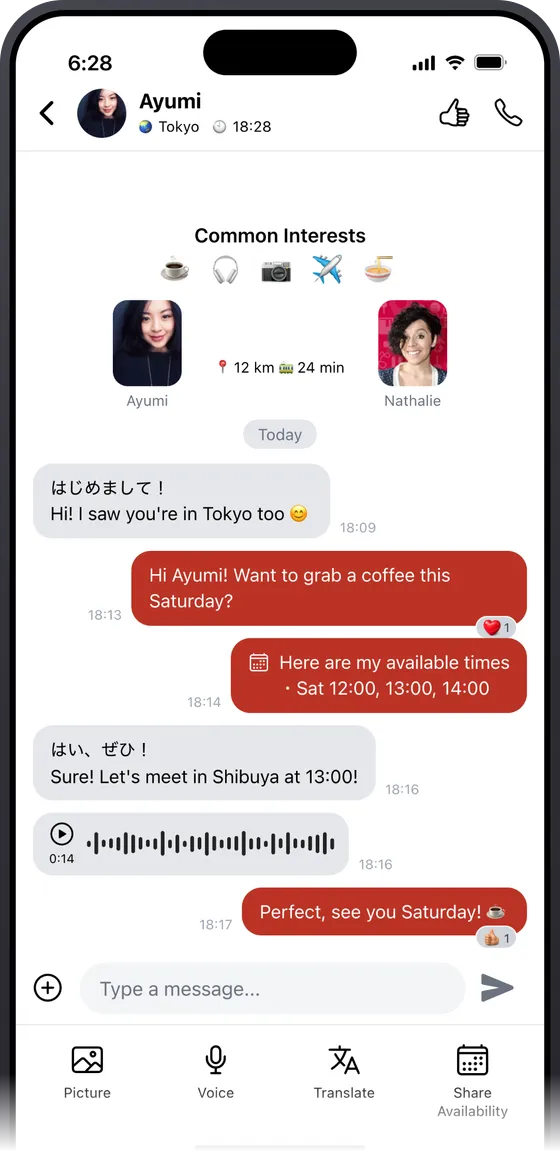
Picture an hour in a café with a friend who is not your coworker. You argue about whether the ramen place near the station is overrated. You explain something complicated about your family. You make a joke and it lands, and they make one back and you catch it. All of it in Japanese, none of it easy, and nobody once suggested that you did not understand.
Then go back to the office where you supposedly cannot follow a two-step instruction, and notice that these two things cannot both be about your Japanese. Nobody outside work has a verdict to protect. They just talk to you, and how it goes is information nobody is shaping.
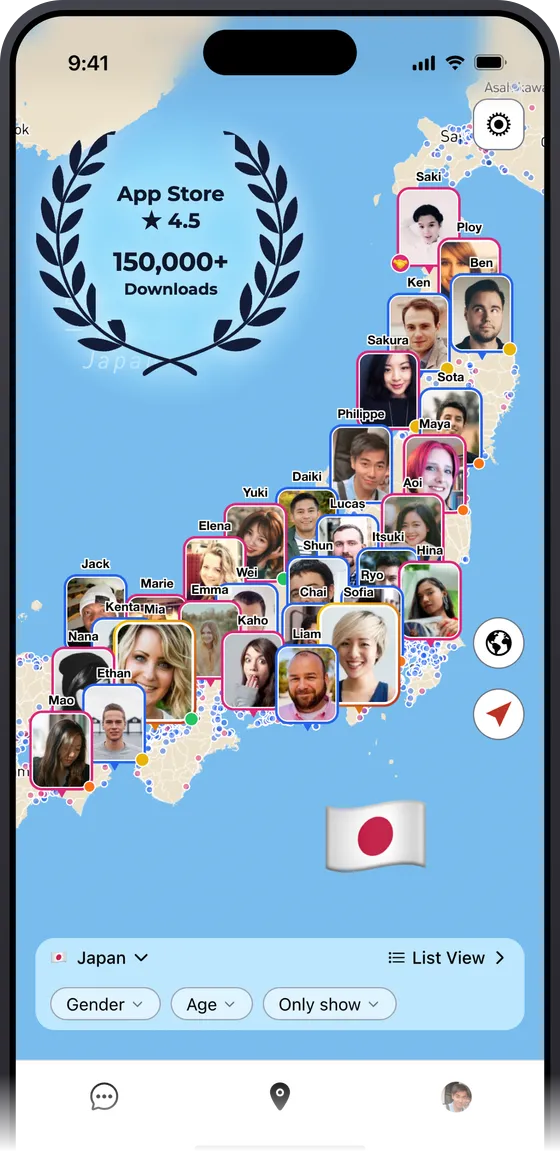
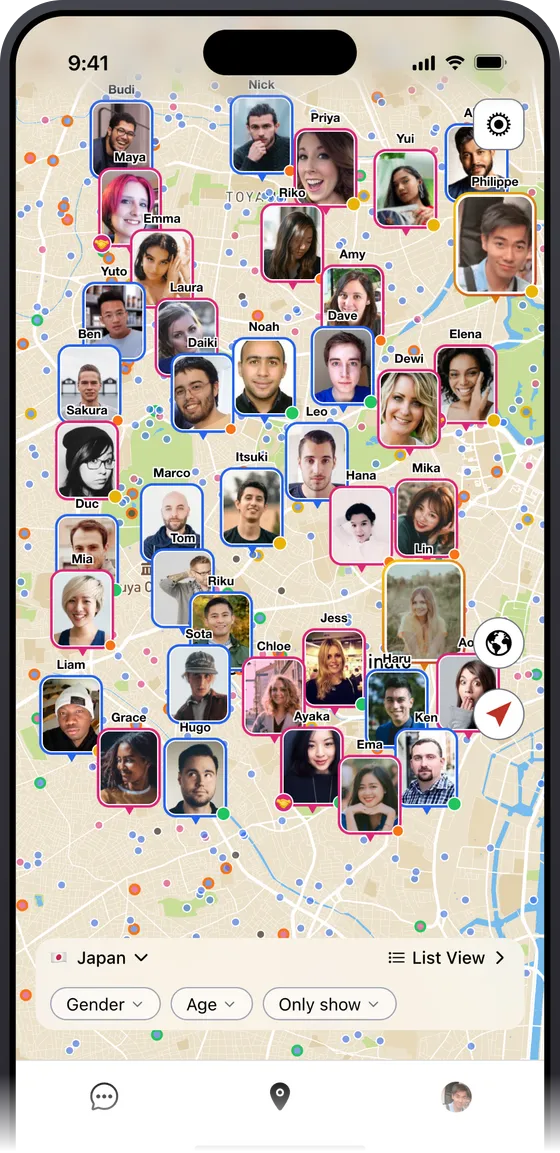
SewaYou is a map-based app that shows you real people near you who also want to meet new friends. You set the map to your own neighborhood and find locals and other residents who are genuinely close by, which matters, because a friend you can actually meet on a Saturday is the only kind that becomes a regular hour of real conversation. Not a chat thread. An actual person, across an actual table, with no opinion whatsoever about your quarterly review.
Make Japanese Friends On a Live World Map


None of this means the job is the enemy or that you should stop studying. Keep studying. Close the real gaps, especially the nodding one. But stop accepting a diagnosis from the only party in the room who benefits from it, and go get one hour a week of Japanese that belongs to you. It is remarkable how much clearer work gets once it is no longer the only place you exist in this language.
For why your Japanese feels worse than it is, Your Japanese Is Not Deteriorating. You Just Have Nobody to Measure Against..
For when the job itself goes quiet on you, Sidelined at Work in Japan: What to Do When Your Tokyo Job Goes Hollow.


