

Scroll any career thread for foreigners in Japan and you will notice the same thing. The success stories are almost always the same shape. Someone from software or finance posts a clean arc: this bootcamp, that visa, this title, that raise. The numbers are right there, and the ladder is easy to see.
If your degree is in Japanese, or linguistics, or history, or anything with the word "studies" at the end, that feed can feel like a room you wandered into by mistake. Everyone is comparing offer letters and you are holding a thesis on Heian poetry.
So here is the reframe, because the panic is based on a measurement error, not a career one.

A tech success story compresses beautifully. Base salary, equity, title, done. You can post it as one line and everyone understands exactly what happened.
A humanities career does not compress that way. The wins look like this: you became the person a whole office trusts to handle the client nobody else can talk to. You are the reason a deal didn't fall apart over a cultural misread. You can walk into a room working in two languages and read what is actually happening, not just what is being said.
None of that fits in a screenshot. Trust doesn't screenshot well. So it never gets posted, and you quietly conclude it doesn't exist. It exists. It just lives in a currency nobody brags about online.
Here is the pattern I keep noticing with people who came in through language and culture rather than code.
They rarely climb one clean ladder. They spread sideways into roles that didn't even have a name when they graduated. Localization, cross-border coordination, education, tourism, community building, partnerships, the messy human middle of any company that operates across two countries.
The common thread is not a title. It is that they became genuinely hard to replace at the one thing machine translation still cannot touch: making two groups of people actually understand and trust each other. Companies underpay for that skill right up until the day they desperately need it, and then the person who can do it gets to name their terms.
That is not a consolation prize. The bridge is the job.

Now the part that actually gives hope, and it is the part the tech threads rarely mention because they don't lean on it as hard.
For a humanities person in Japan, the job board is close to the worst place to look. The interesting roles for you are usually never posted. They get created, because someone already knew you, trusted your read on a situation, and thought of your name the moment a problem showed up that needed a human who understood both sides.
I have watched people with unremarkable resumes out-earn "better" candidates for exactly one reason: they knew more people, and those people liked them. Your degree handed you the one asset that compounds harder than almost any technical skill. You can walk into a foreign culture and build real relationships inside it. That is the whole ballgame, and most people never build it on purpose.
So the real question is not "what job can my degree get me." It is who do you actually know here.

This is where SewaYou fits, and I will be honest about what it is and is not.
SewaYou is a map-based app for finding real people near you and turning them into actual friends. It is not a job site, not a study app, and not a dating app. You open it, and the real people around you are simply there on a map, wherever you happen to be in the world.
Make Japanese Friends On a Live World Map
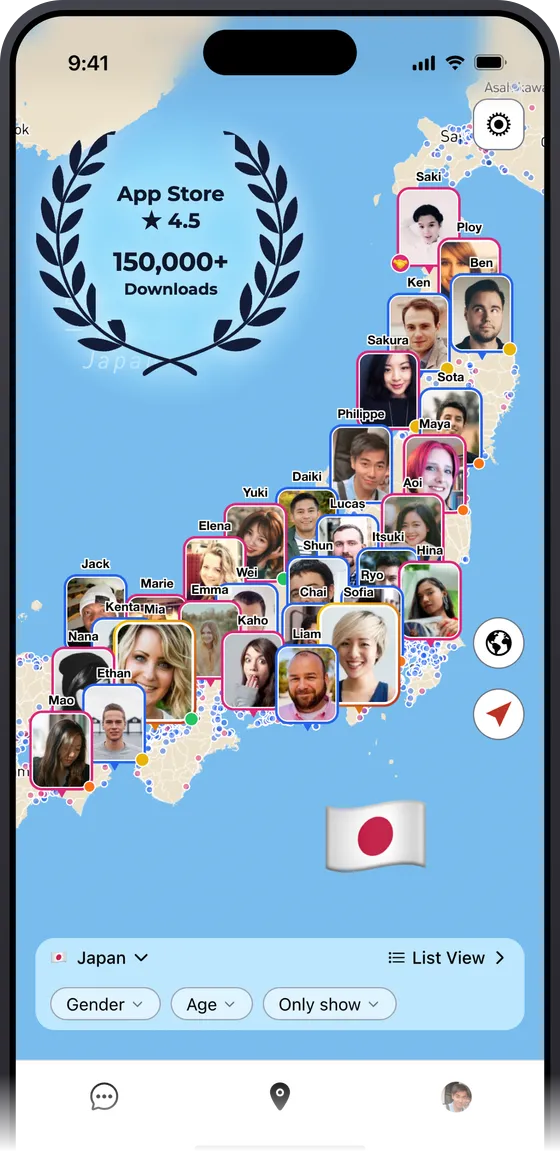
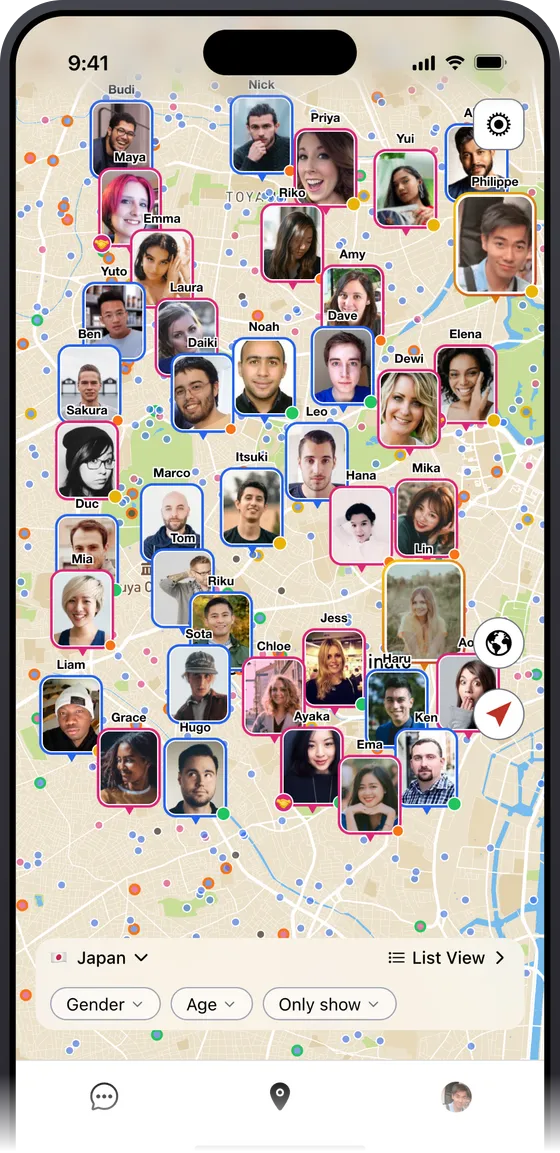
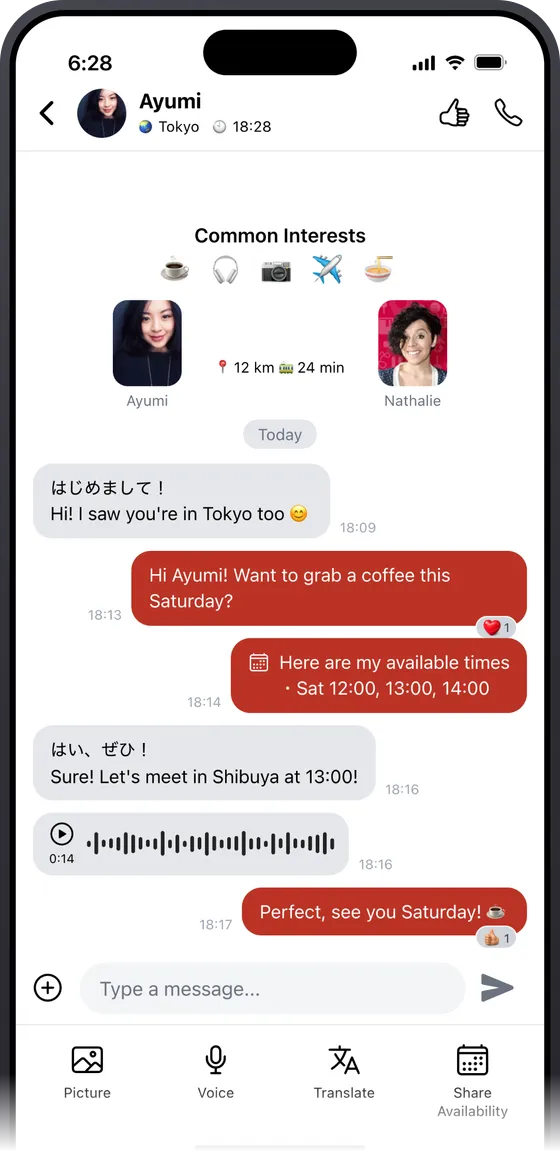


For a language-and-culture person, that is not just a social nicety. It is career infrastructure. The friendships you make in your city are the exact soil that unposted opportunities grow out of. Not networking in the transactional, business-card sense, which everyone can smell from across the room. Just genuinely knowing more people, in your target language, in the place you actually live.
Your degree gave you the ability to connect across a culture. This is a way to keep using that ability every week, instead of letting it rust while you refresh a job board.
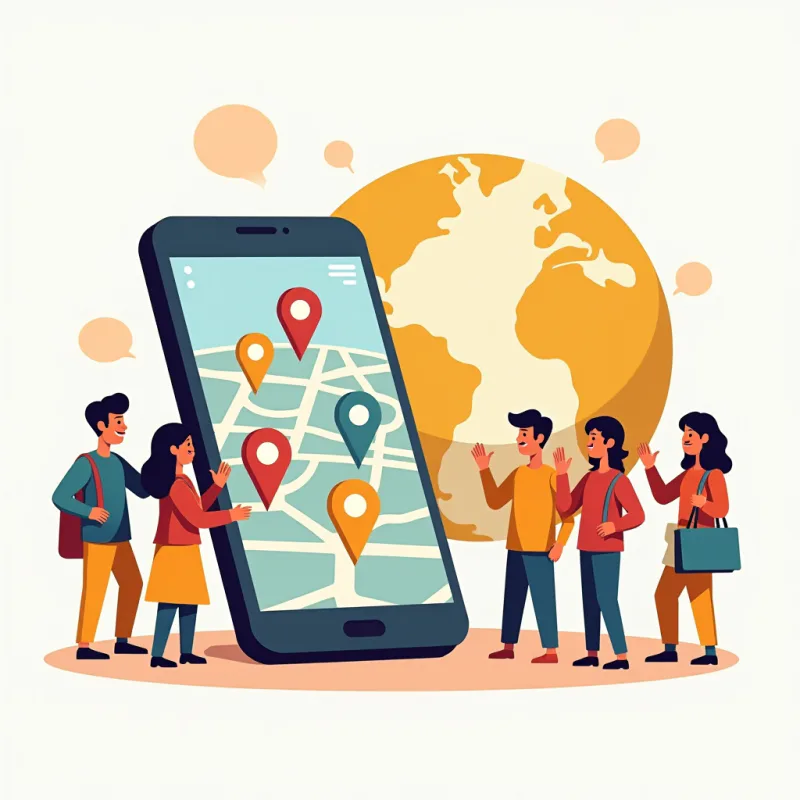
If you feel invisible next to the tech and finance posts, it is worth remembering what you are actually doing: comparing your quiet, uncompressible progress to someone else's highlight reel. Those posts are loud because the metric is loud. Yours is quiet because trust and relationships don't render as a number.
Ten years in, the humanities people I know are not poorer, just quieter about it. A lot of them are the connective tissue their entire company runs on, doing work they find meaningful, embedded in a life full of actual friends. That story simply never gets posted, because "I know everyone and everyone trusts me" doesn't fit in a screenshot.
Build the relationships now, in the language you spent years learning. SewaYou is a map-based app that shows you real people near you, so the network your career actually runs on can start with someone you meet this week.


