

Almost everyone I know in Japan is tired. Not dramatically, not falling-apart tired. Just a low, steady tired that never fully lifts. You sleep until noon on Saturday and still feel like you are running at 80 percent. After a while you stop noticing it, because it quietly becomes your baseline. It becomes normal.
And that is the part worth talking about. Somewhere along the way, "stable" and "tired" turned into the same word. People call life here calm and predictable, and they are not wrong. But calm can also mean you have agreed, without ever actually saying yes, to feel a little worn down forever.
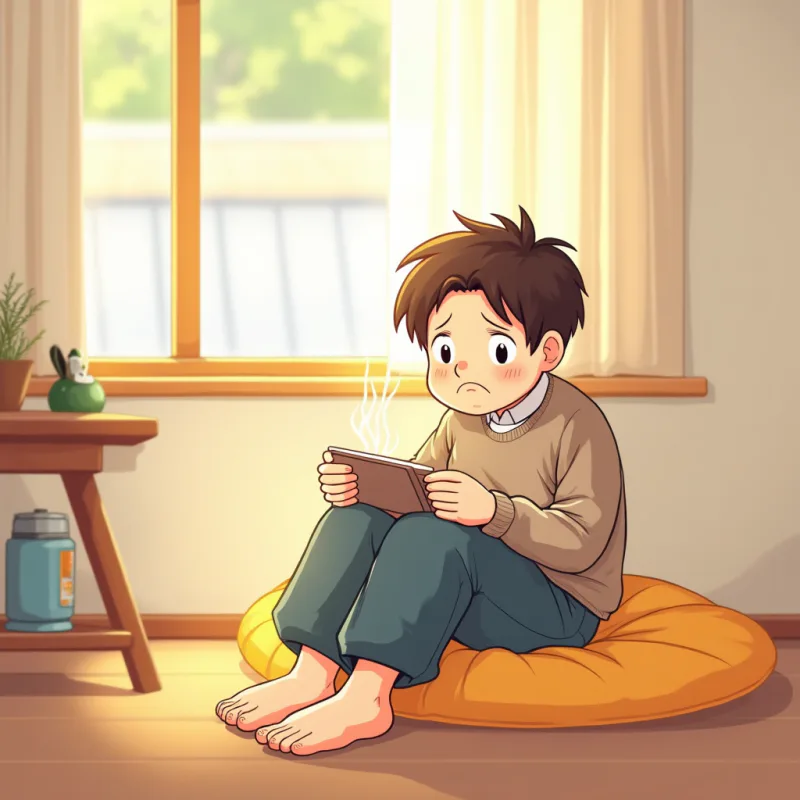
Here is the thing nobody warns you about when you move. There are two kinds of tired, and they do not react to the same medicine.
The first kind is sleep-debt tired. You had three heavy weeks, you did not rest, your body wants to catch up. One good weekend and you are mostly back. Annoying, but simple.
The second kind is different. You can sleep ten hours and still wake up heavy, and rest doesn't touch it. That is because it is not coming from your body at all. It is coming from the fact that your whole life is running through one narrow channel, and that channel is work.
If a lazy Sunday used to reset you and now it does not, you are probably dealing with the second kind. No amount of extra sleep was ever going to reach it.
People assume the tiredness in Japan is just the hours, the famous long days. And sure, the hours are real. But most of the drain I see does not come from the clock. It comes from the constant low-grade bracing.
The unspoken rule about not leaving before your boss. The pressure to never make a visible mistake. The meetings you cannot shape, the forty daily "sumimasen," the sense that complaining is simply not an option, so you swallow it instead. None of these is heavy on its own. Stacked together, all day, every day, they become a background hum your nervous system never gets to switch off.

So it is worth being honest about what is actually happening. You're never off. You are not necessarily overworked in the raw-hours sense. You just never get to fully stand down, and that is a different problem with a different solution.
So why does this kind of tired sit on you and never leave? Because for a lot of people here, work is the only room in the house.
Think about how it actually looks. Your schedule is the job. Your social contact is coworkers. Your read on whether today was good or bad is decided entirely by how work went. When one single thing is your income, your calendar, your friends, and your self-worth all at once, every small pressure from it lands with full weight. There is no other room to step into.
That is why the exhaustion feels bottomless. It is not that you need more rest. It is that you have built a life with only one room in it, and you are trying to sleep your way out of a problem that sleep can never reach.

The fix is not quitting. Most people do not need to quit. What they need is a second center of gravity. One part of life that has nothing to do with the job, where a bad day at work is just a bad day at work and not a verdict on your entire existence.
For me, that turned out to be people. Not a hobby I did alone, and not more hours scrolling on the couch. An actual person, outside my company, who had no idea who my manager was and could not have cared less. The first evening I spent like that, I noticed something odd on the train home. I was not tired in the same way. The weight from work suddenly had somewhere else to sit.
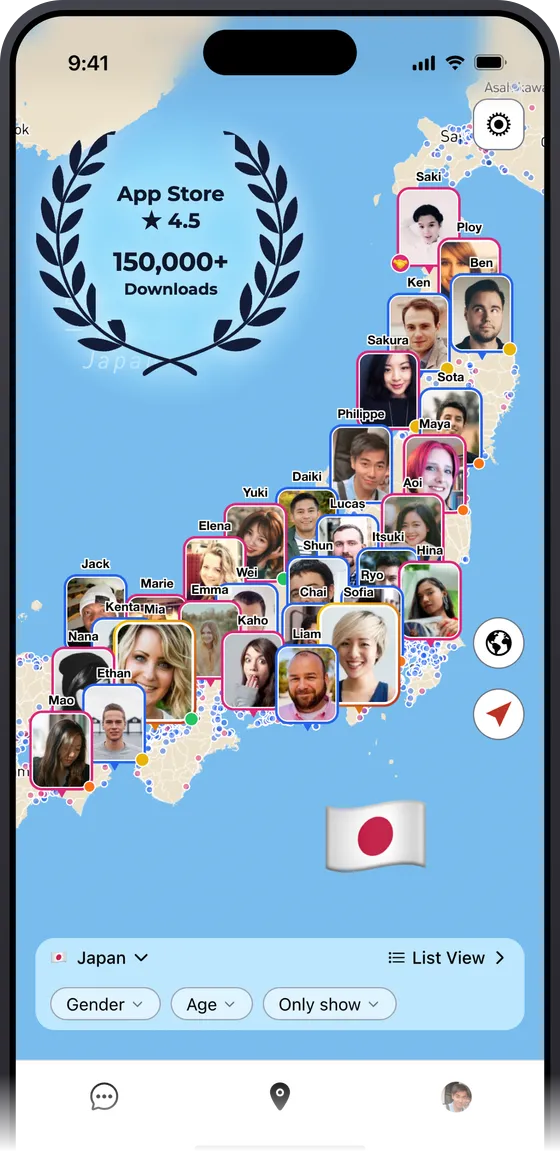
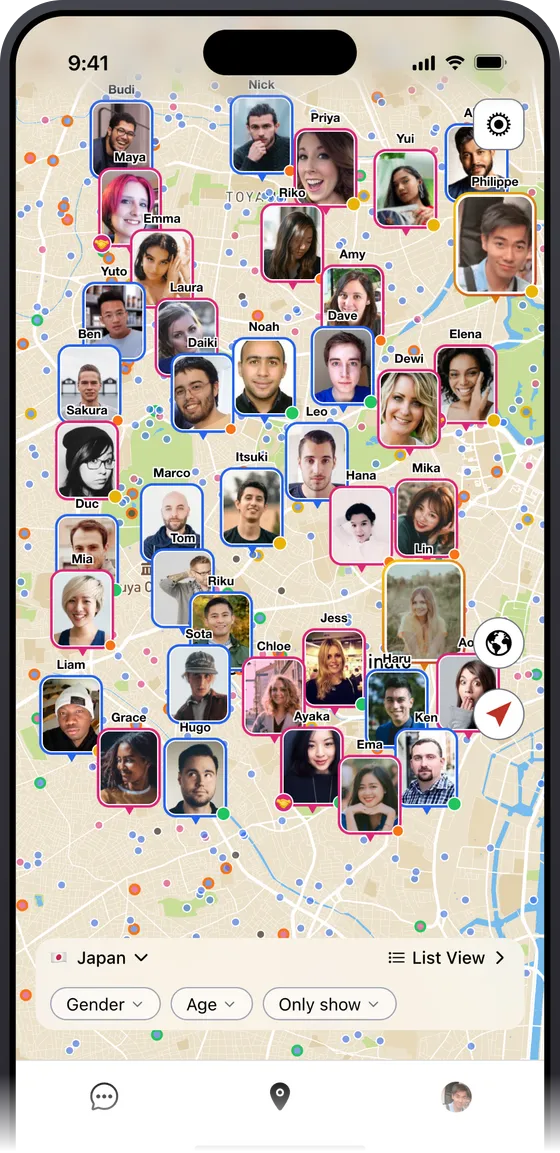
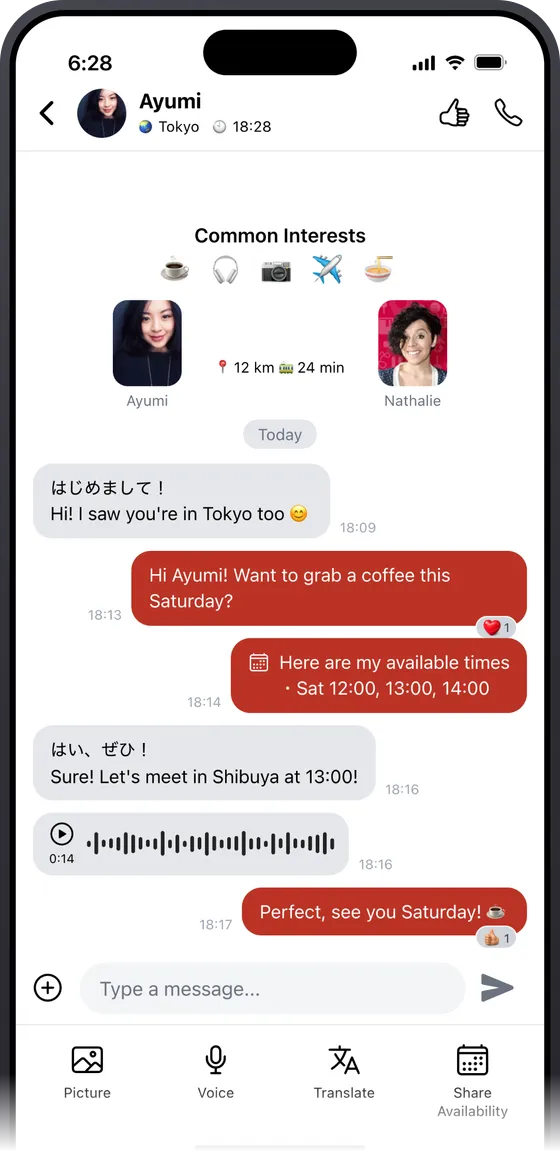
That is the whole reason I keep pointing people toward SewaYou. It is a map-based app that shows you real people near you who are open to meeting, for friendship, not swiping. You open it, you see who is actually around you right now, and you say hi. No feed to perform on, no algorithm quietly deciding who you are allowed to meet. Just a low-stakes way to build that second room, the one work does not own.
Make Japanese Friends On a Live World Map



None of this means Japan is a bad place to live. It genuinely is not. But "stable" should not have to mean "quietly tired forever." The tiredness that sleep will not fix is a signal, not a life sentence. It is telling you your life has gotten too narrow, that everything is running through one channel and that channel is starting to fray.
So widen it. Find one person, one evening, one corner of your week that work doesn't own. You cannot out-sleep a life with a single room in it. But you can add a second one, and starting is far easier than the tiredness makes it feel.
SewaYou is built around meeting real people near you, and it is the simplest first step toward a week that is not only about the job.


