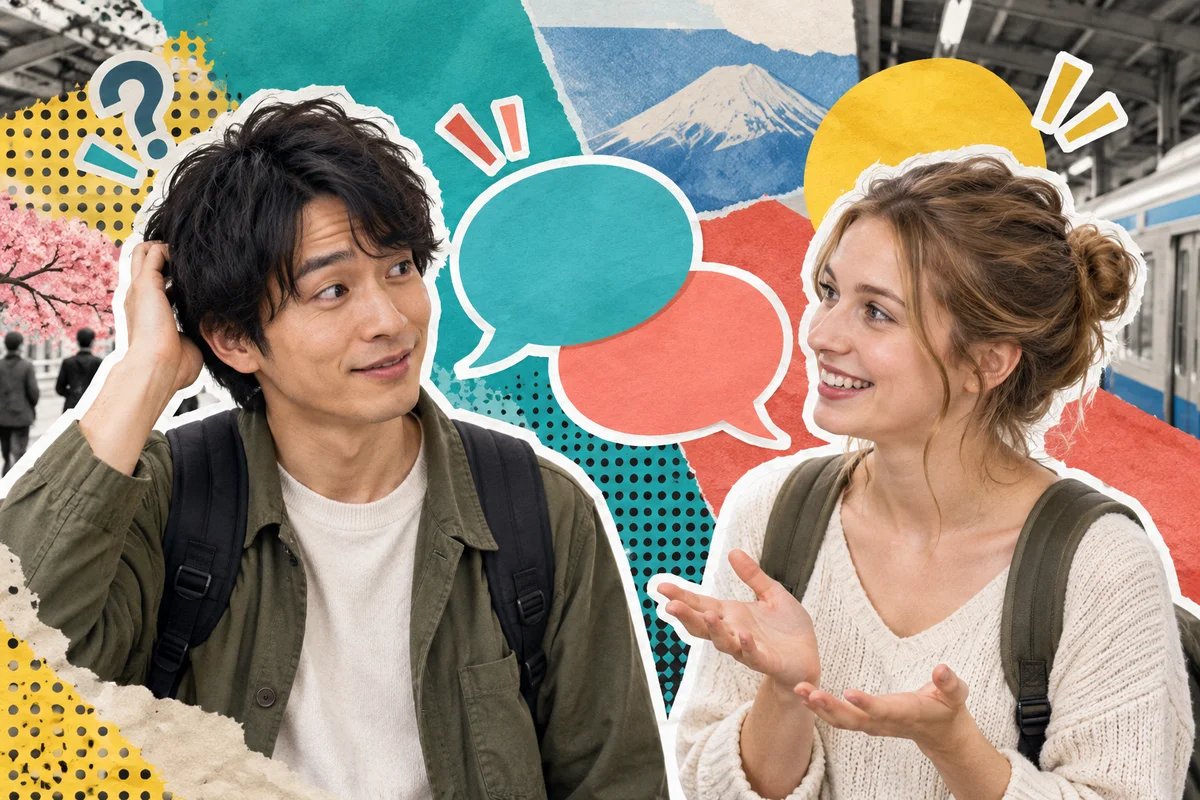
Most people who live in Japan have a story about getting "English-ed." You ask a question in Japanese, and the answer comes back in English, as if your Japanese never happened.
But there is a reverse version that nobody warns you about. You are a native English speaker who happens to blend in, maybe you look Japanese, maybe your Japanese is just smooth enough. You are talking to someone who is clearly not from here. You offer to switch to English. They politely decline.
Then you overhear them chatting with their friend in fluent, unmistakably native English. You try English again. They answer in Japanese. Again.
It is a strange moment. Did your English get weird? Did you say something wrong?
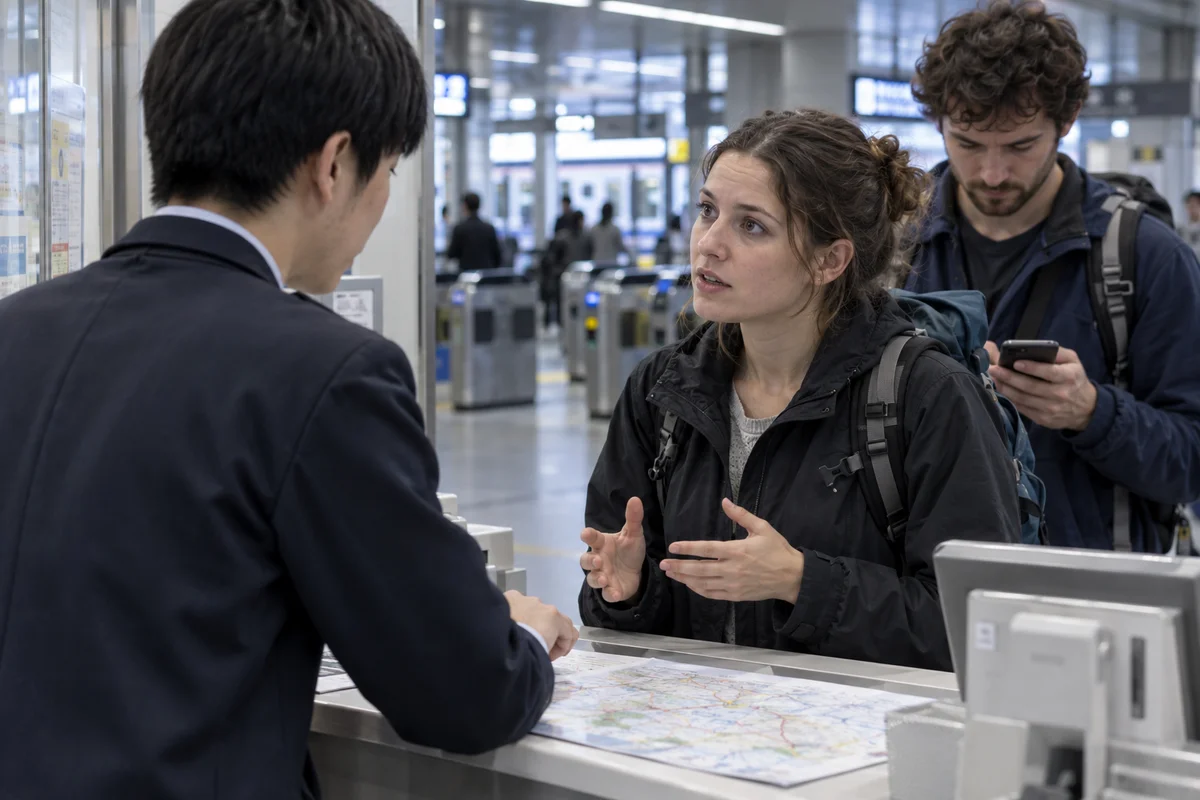
The first instinct is to blame yourself. After years abroad, maybe your English has gone slow and over-enunciated, the careful voice you use with learners. It is a fair worry, and checking with a friend is not a bad idea.
But in most cases the answer is much simpler. The other person was not judging your English at all. They were protecting their Japanese.
From their side, you were a gift: a friendly person who speaks Japanese naturally and was not in a hurry. That is exactly the kind of conversation many learners in Japan go weeks without getting.
Here is the irony of living in Japan as a learner. You are surrounded by the language, yet real conversations can be hard to come by. Shop staff switch to English. Coworkers keep things short. Friends from home all speak your first language.
So when a patient, natural conversation in Japanese finally appears, some people hold on tight. Switching to English feels like giving up a rare chance, even if English would be easier for both of you.
I have caught myself doing a version of this. Someone offers English, and there is a little voice that says, "No, I can do this." It is not about the other person. It is about not losing the round.

Every time two people pick a language, something small gets decided. Who is more comfortable? Who is the guest? Who gets to practice?
When someone switches on you, it can feel like a verdict on your skill. When someone refuses your switch, it can feel like they are ignoring you. In reality, both people are often just chasing their own goals at the same time.
That is why these moments feel awkward. Two learners, one conversation, opposite goals. Nobody is wrong, but somebody has to give.
A few simple habits help:
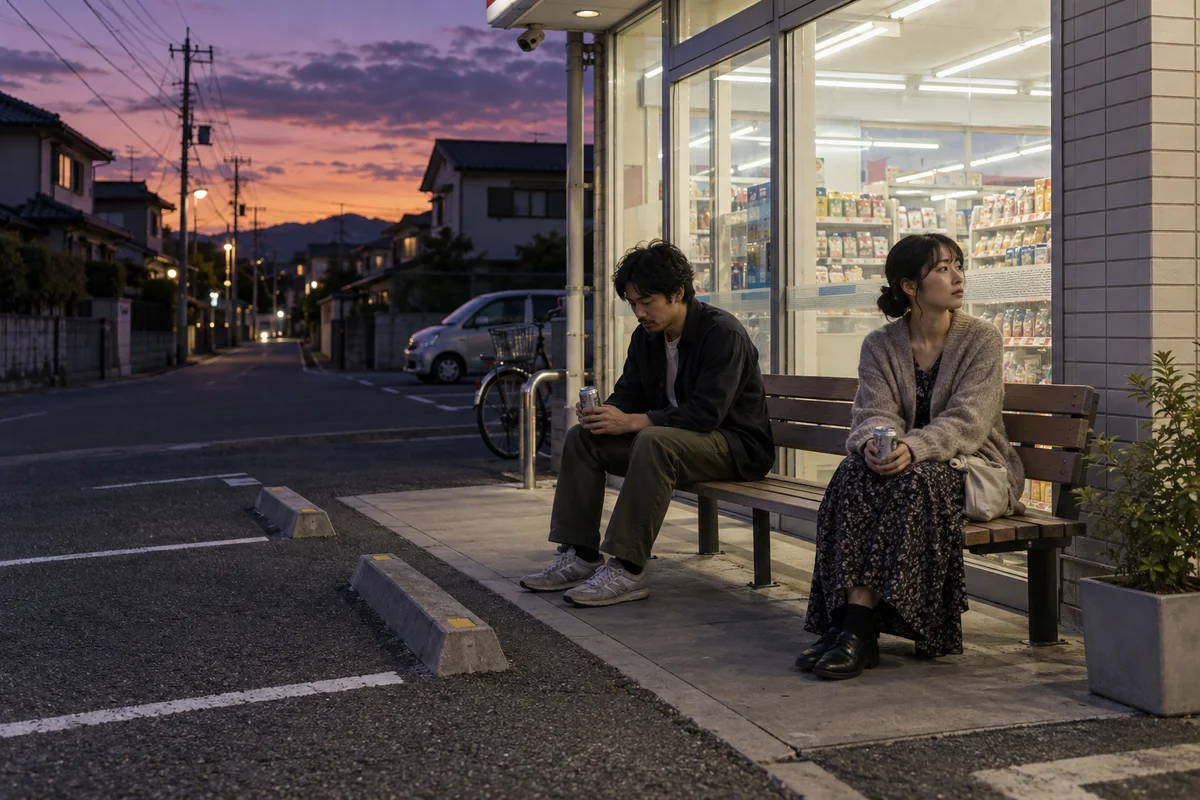
The deeper problem is that people are trying to squeeze practice out of strangers who never signed up for it. Station staff, cashiers, the person next to you at the counter. Those moments are short, unpredictable, and a little unfair to the other side.
The better move is to find people who want the same trade you do. Someone who wants your language as much as you want theirs. When both sides agree on the deal, nobody has to win the round, and practice stops feeling like a battle.
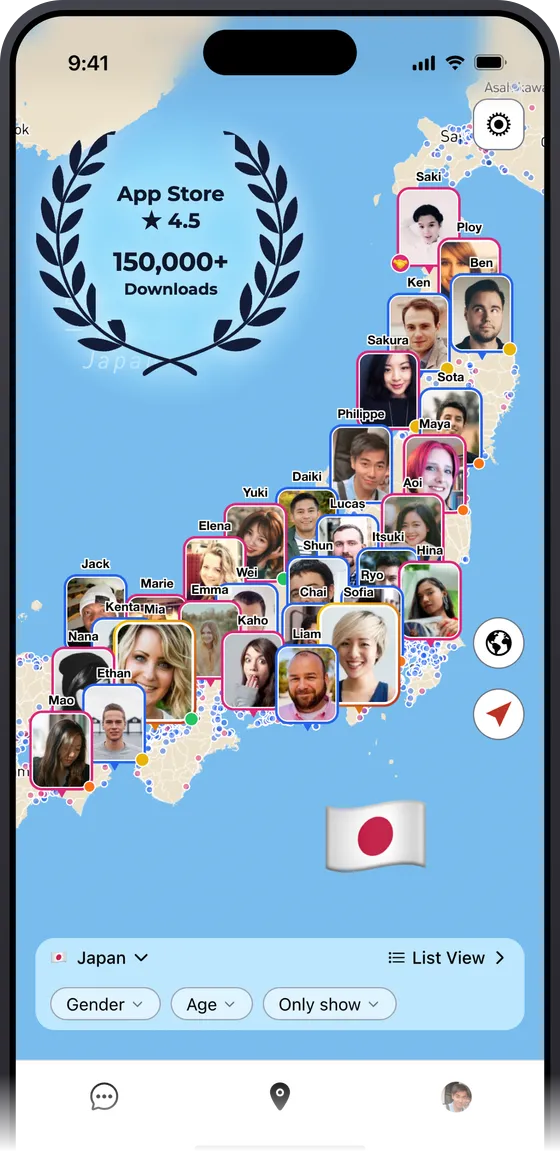
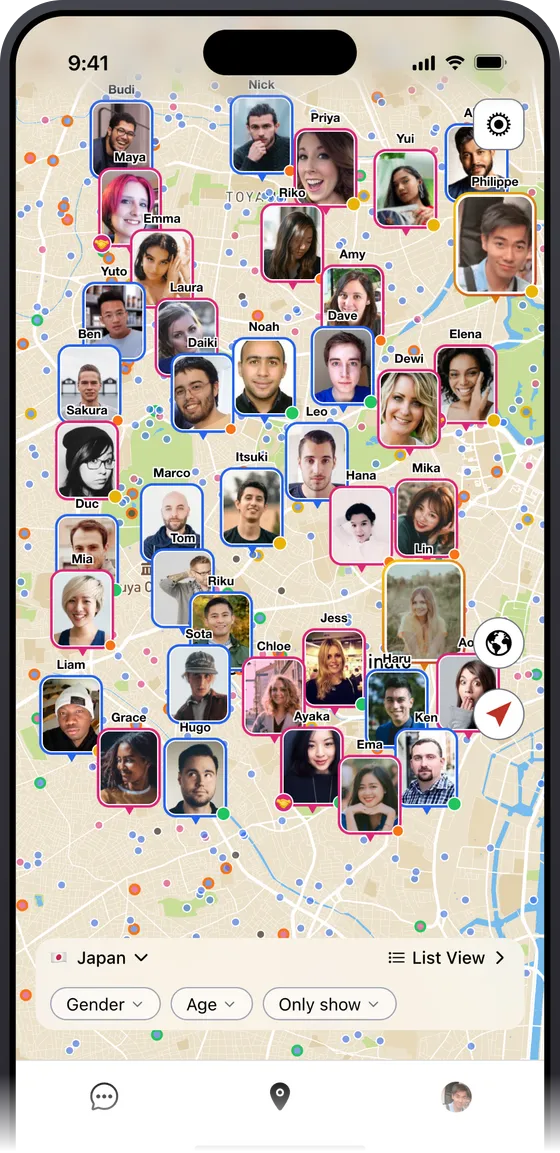
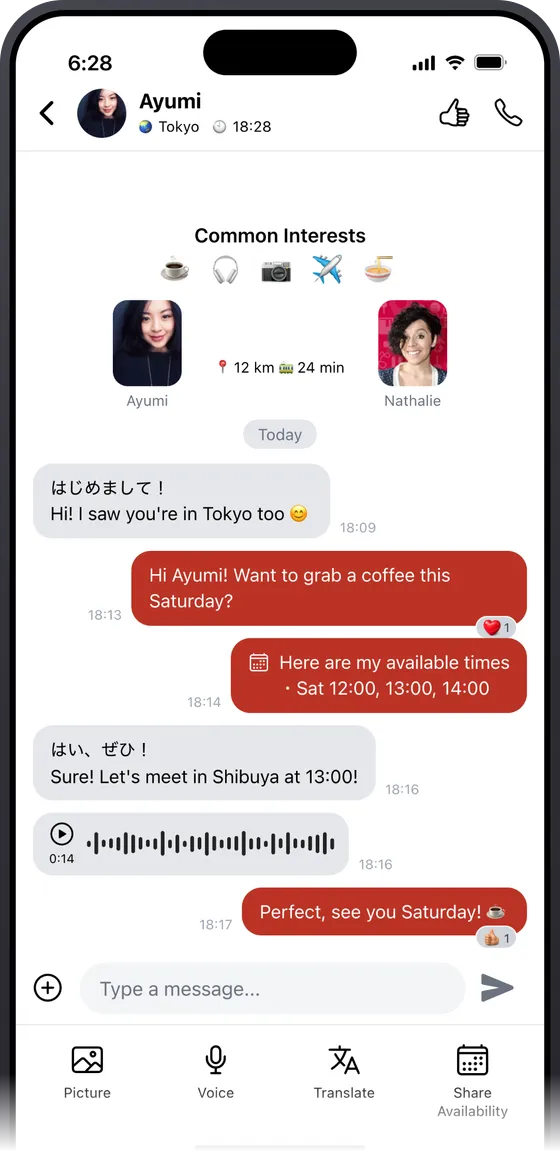
That is a big part of why we built SewaYou. It is a map-based friendship app where you can find people nearby and anywhere in the world. You can look around another city or country from home, make online friends with no travel plans at all, connect with people before a trip, and meet up in person when you are close by. Plenty of people on it are looking for language partners, so you can find someone who actually wants to practice with you.
Make Japanese Friends On a Live World Map



Getting answered in Japanese by someone who clearly speaks English is funny, a little confusing, and oddly humbling. It shows that the language dance in Japan is not just Japanese people versus foreigners. Everyone is hungry for something.
So next time it happens, smile, keep going in Japanese, and let them have their practice. Then go find your own conversations with people who want them as much as you do.
Ready to find a language partner who actually wants the trade? Try SewaYou, the map-based app for making friends nearby and anywhere in the world.