

Someone told us about their first part-time job interview in Japan recently, and the story stuck with us.
They were seventeen, new to the country, and had walked into a supermarket to apply. A staff member led them straight to the manager's small office. The manager smiled, asked them to sit, confirmed their name, asked which station they lived near, and asked when they could start. They said tomorrow. The manager said great, come in for two hours of training. And that was it. No "why do you want to work here." No talk about strengths. No forms, no residence card, nothing.
The whole thing lasted about three minutes. They walked out onto the street genuinely unsure whether they had just been hired or quietly turned away.
If you have ever felt that exact confusion, here is the short version.
You probably got the job.

Here is the thing nobody tells newcomers. Part-time hiring in Japan, the kind for supermarkets, convenience stores, cafes, and restaurants, is often fast and casual by design.
These places run on アルバイト staff, and many of them are short-handed. A manager who has already decided you seem fine is not going to grill you for forty minutes. If they tell you to come in tomorrow for training, they have made their decision. Training is not a second test. Training is what you do after you are hired.
The long, formal interview you were bracing for, the one with "tell me about a time you failed" and three rounds of questions, is a full-time and new-graduate ritual. It mostly does not apply to a part-time cashier job.
So when the interview is short and ends with a start date, read it the right way.
Short usually means yes.

If you got the job, why did it feel so bad walking out?
Because you arrived with a script in your head, and the script never ran. You expected certain questions. You had prepared answers. When none of it happened, your brain did not think "oh, easy." It thought "something is wrong."
That is the quiet trap of doing anything new in a different country. When you do not know the local pattern, ambiguity does not feel neutral. Your mind fills the empty space with the worst reading it can find. A short interview becomes a rejection. A manager being efficient becomes a manager who was not impressed.
None of that is real. It is just the gap between your rulebook and theirs.
Ambiguity defaults to anxiety.
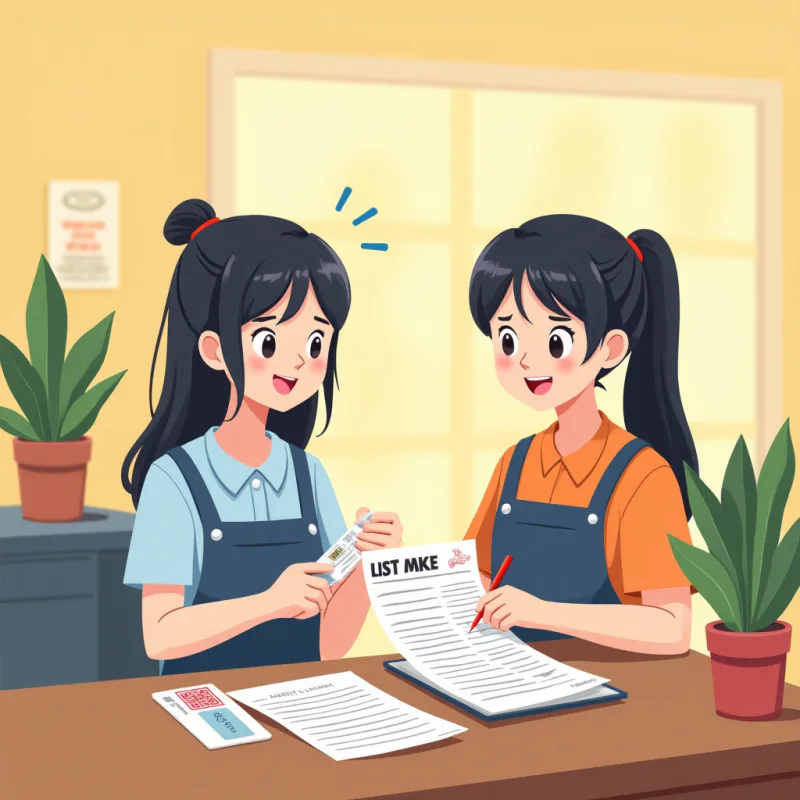
The other thing that spooks people is the missing admin. No residence card check, no contract, no bank details. Did they forget?
They did not. At a lot of Japanese part-time jobs, that stuff gets handled on your first day or first shift, not at the interview. You show up, and they photocopy your residence card, get your hanko or signature, take your bank info for payroll, and walk you through the contract then.
One thing worth checking on your own, though. If you are here on a student visa, part-time work needs permission to work outside your status, and there is a weekly hour limit that comes with it. That is on you to confirm before you start, not something the manager will always raise. When in doubt, ask the school office or check your own status.
But the interview being paperwork-free is normal.
Day one, not the interview.
Here is what we keep noticing. The person in that story did not actually have a language problem. They understood every question. They answered every question. Their Japanese was fine.
What they did not have was one local person to text afterward. Someone to send "hey, the interview was only three minutes and he said come tomorrow, is that normal?" and get back "lol yeah you're hired, congrats" within ten seconds.
That is the difference a single friend makes. Not a teacher, not an app that drills grammar. Just one person nearby who already knows the pattern and will happily decode it for you. Half of what feels overwhelming about a new country is not the language. It is having nobody to ask.
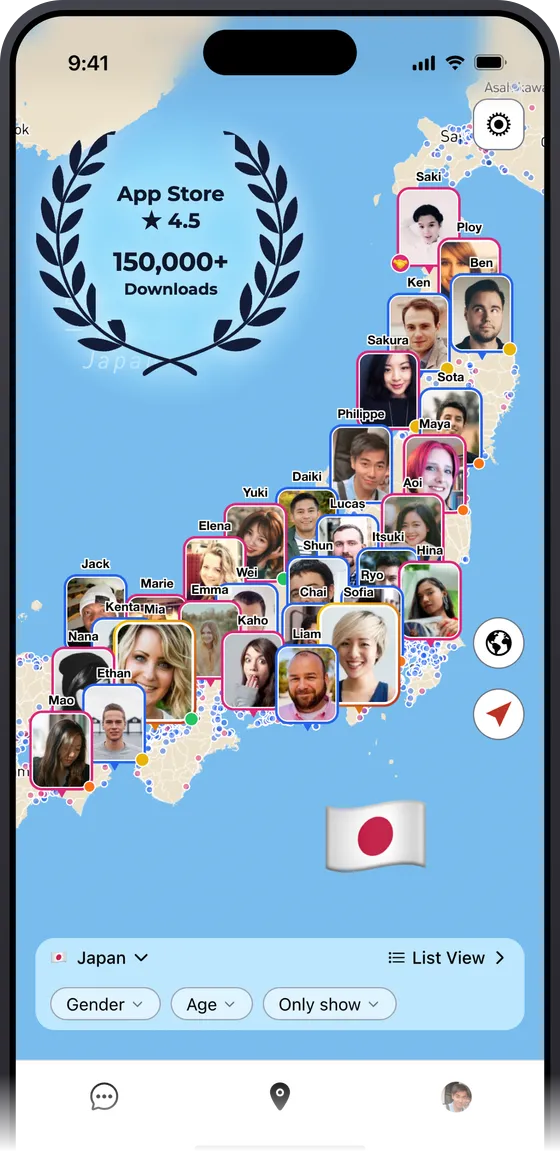
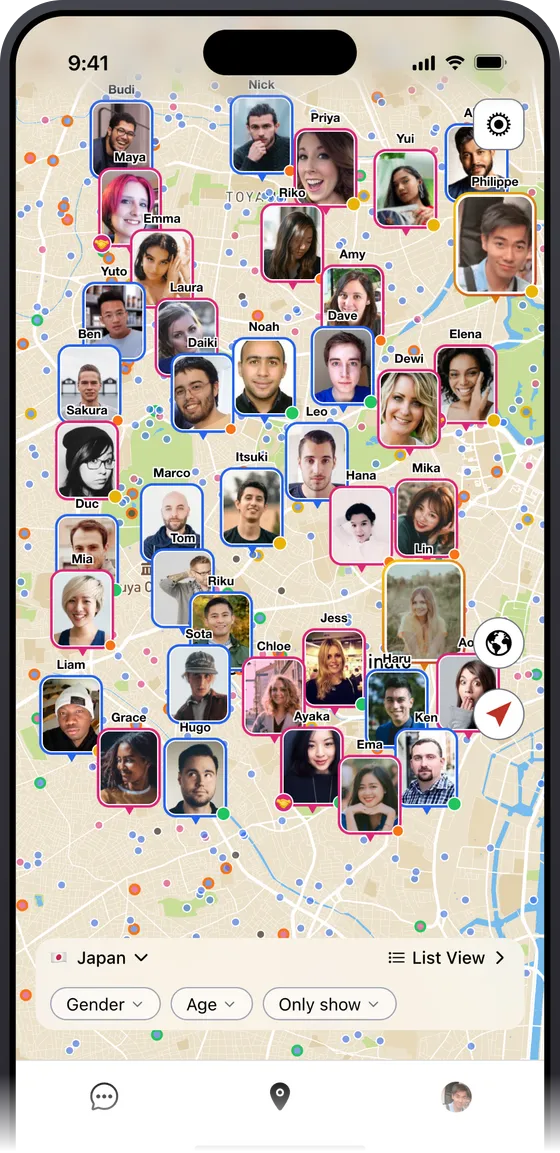
That is exactly why we built SewaYou. It is a map-based app that shows you locals and other newcomers near you who actually want to meet, so the person who can answer your "wait, is this normal?" questions is someone you already know.
Make Japanese Friends On a Live World Map
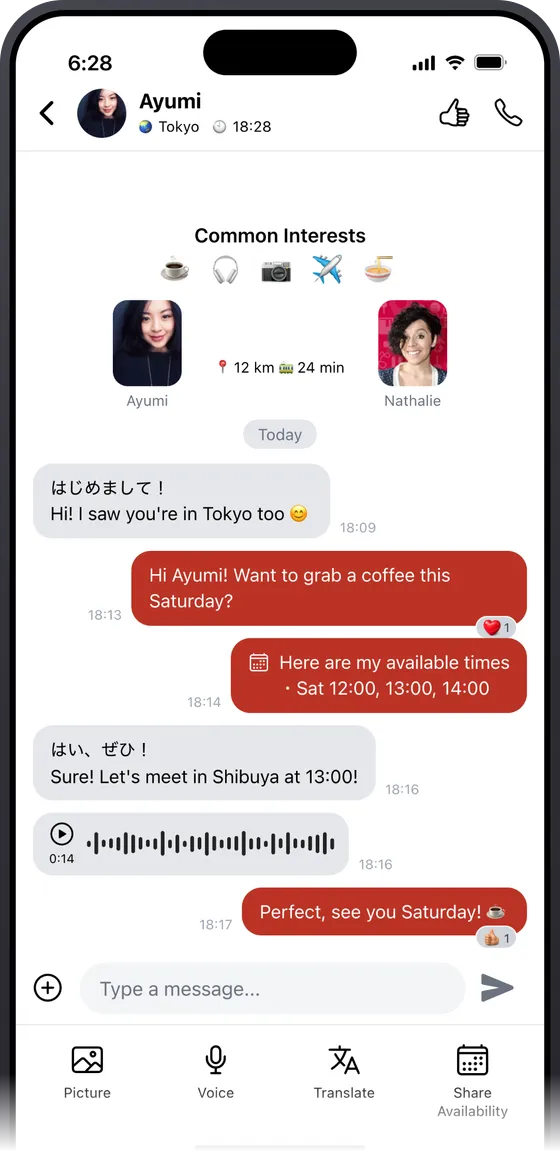


One local friend, ten seconds.

So if your interview was three minutes long and ended with a start date, take the win. Show up tomorrow. Bring your residence card just in case. And maybe use it as the excuse to find a couple of people who can walk the rest of this country with you.
The job was never the hard part. Doing it all alone is. SewaYou is there so you do not have to.


