

Someone I heard about recently had to leave Japan for a week. Not for fun. Something had cracked open in her marriage, the kind of thing that empties your head and makes planning a grocery run feel impossible, let alone booking an international flight while your hands are shaking.
And in the middle of all that, the thing that stopped her cold wasn't the ticket or the money.
It was her cat.
A shy, skittish little thing that panicked around strangers. She had no one to leave it with. Not a neighbor. Not a coworker she trusted with a spare key. Not one friend in the entire country. Her only options were the ones you pay for: a cat hotel, a professional sitter, a stranger with a five-star profile.
I keep thinking about her, because the cat was never really the problem.
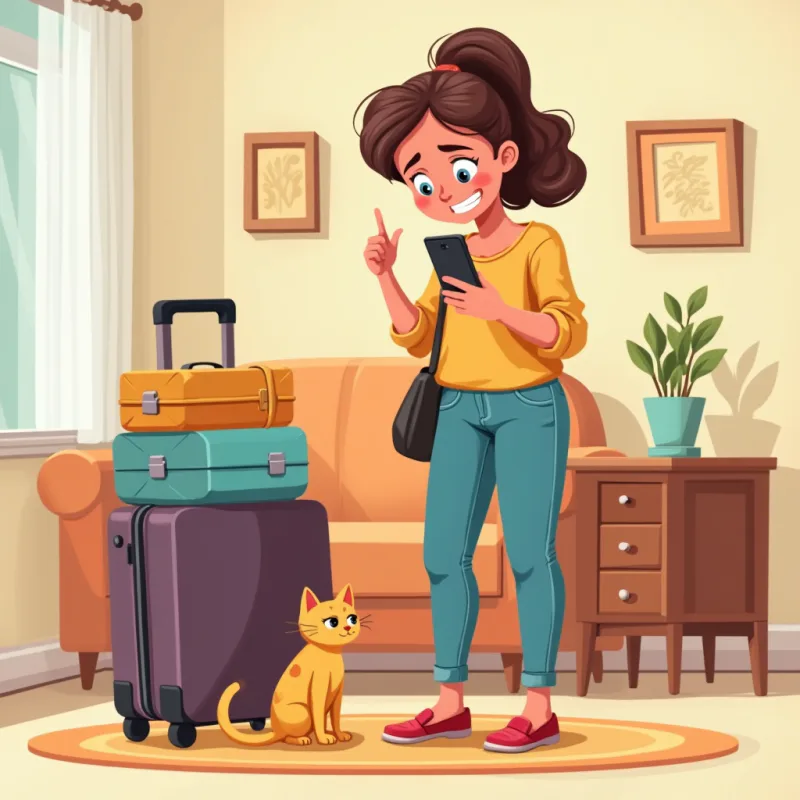
There's a quiet test that tells you exactly how connected you are somewhere, and most people never think to run it until an emergency runs it for them.
It's this: who could you call at 11pm?
Not for a crisis, even. Just a small, human favor. Watch the cat for a week. Grab a package. Hold your key while the plumber comes. Sit with you for an hour because today was awful and you can't be alone in your apartment.
In the country you came from, you probably had five names before you finished reading that sentence. In Japan, a lot of foreigners get to the end of the list and find it's empty. Not because they're unlikable. Because they never got the chance to build the kind of nearby, low-stakes relationships that make a favor feel normal instead of enormous.
You don't feel that gap on a good day. You feel it the moment life hands you a bad one.
Here's the sneaky part. Japan is so convenient that isolation is easy to hide from yourself.
Cat won't fit your travel plans? There's a hotel for that. Furniture too heavy? There's a service. Lonely on a Friday? There's an izakaya, a movie, a whole city designed so you never technically need another person. Convenience quietly replaces connection, and for a while it works well enough that you don't notice what's missing.
Then a real problem shows up, and you discover the limit. A paid sitter can feed your cat. They can't tell you it's going to be okay. A moving company can carry your couch. They can't notice you've gone quiet for three weeks and text to check in.
The things that actually hold you up in a hard week aren't services. They're people who already know you, close enough to help without being asked twice.

Almost nobody moves to Japan planning to end up with an empty contact list. It happens by drift.
Your first year is busy. Paperwork, a new job, figuring out the trains, learning where the good conbini is. You tell yourself the friends will come later, once things settle. Then work eats your weekdays. Weekends go to errands and recovering. The coworkers are polite but keep a wall up after 6pm. The neighbors nod and say nothing.
Everyone is kind. Everyone is warm at the surface. And you can go two years thinking you're doing fine socially, right up until the day you need a name to call and realize warm strangers aren't friends.
The language barrier makes it worse, sure. But plenty of foreigners who speak great Japanese still hit this wall. The issue isn't fluency. It's that making real friends as an adult, in a new country, doesn't happen by accident. It takes a little deliberate effort, and almost nobody tells you that until you're already isolated.
The uncomfortable truth is that the best time to build your support network is when you don't need it yet.
You want a couple of people nearby before the bad week comes, not scrambling to find them during it. That's not about having a huge social circle. Two or three real connections is enough. Enough that leaving town for a week is a text message, not a panic.
The hard part has always been the first step: finding people who are actually near you and actually open to meeting. That's exactly the gap SewaYou was built to close.
Make Japanese Friends On a Live World Map
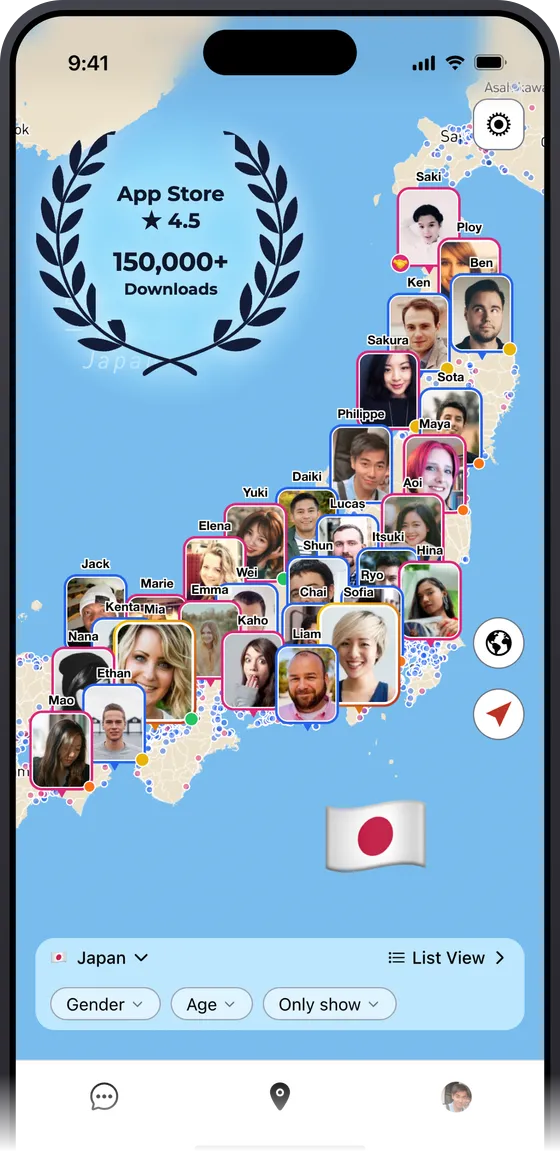
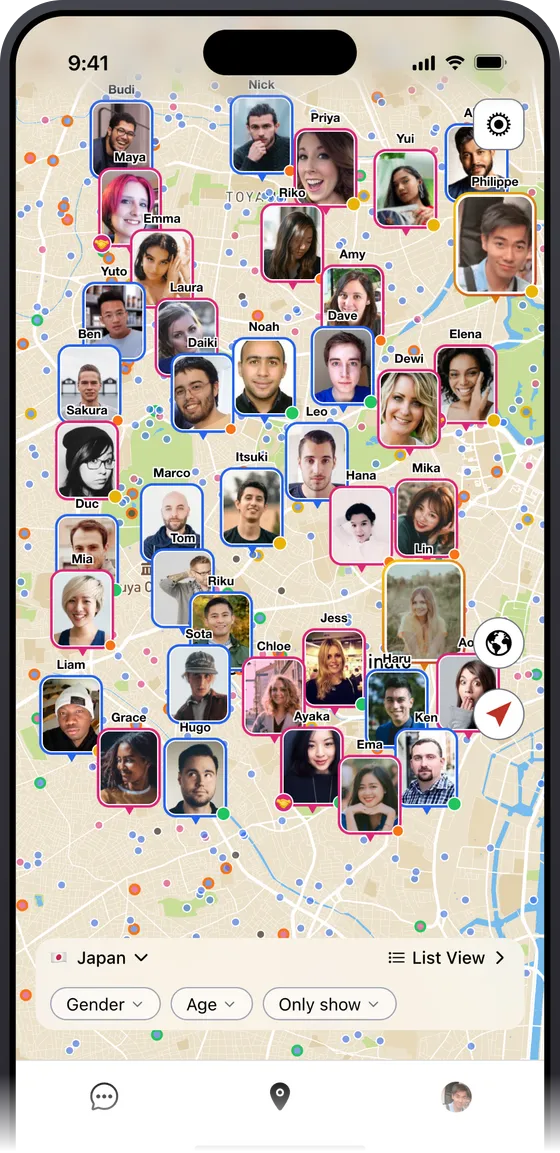
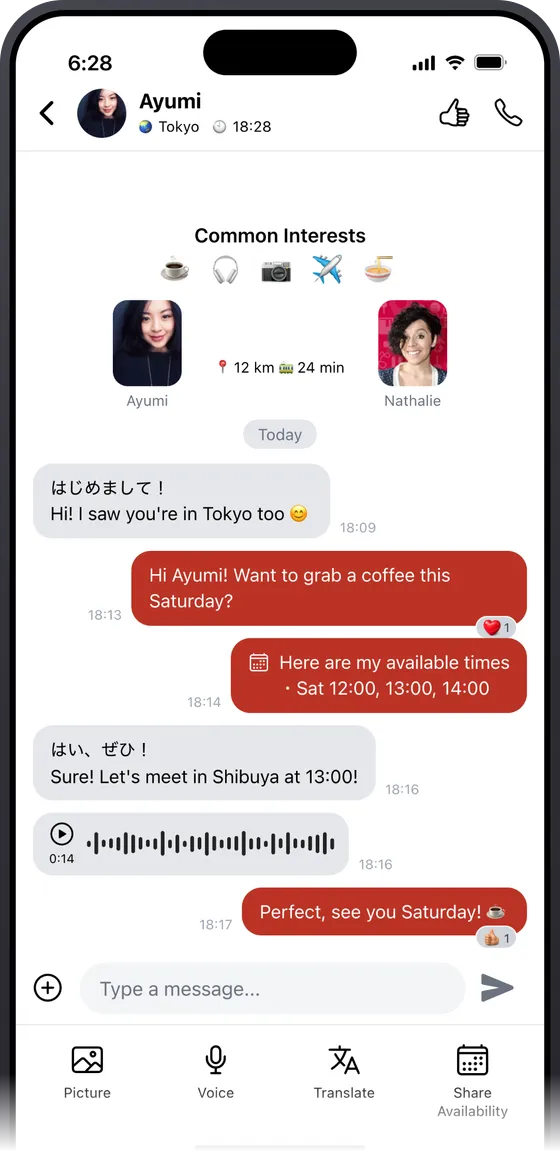


SewaYou is a map-based app that shows you the people around you who want to make real friends, locals and fellow foreigners both, right there on a live map of your area. No endless swiping, no pretending it's a dating app. You see who's genuinely nearby, what they're into, and you start an actual conversation. The kind that, a few coffees later, turns into the person you can text at 11pm.
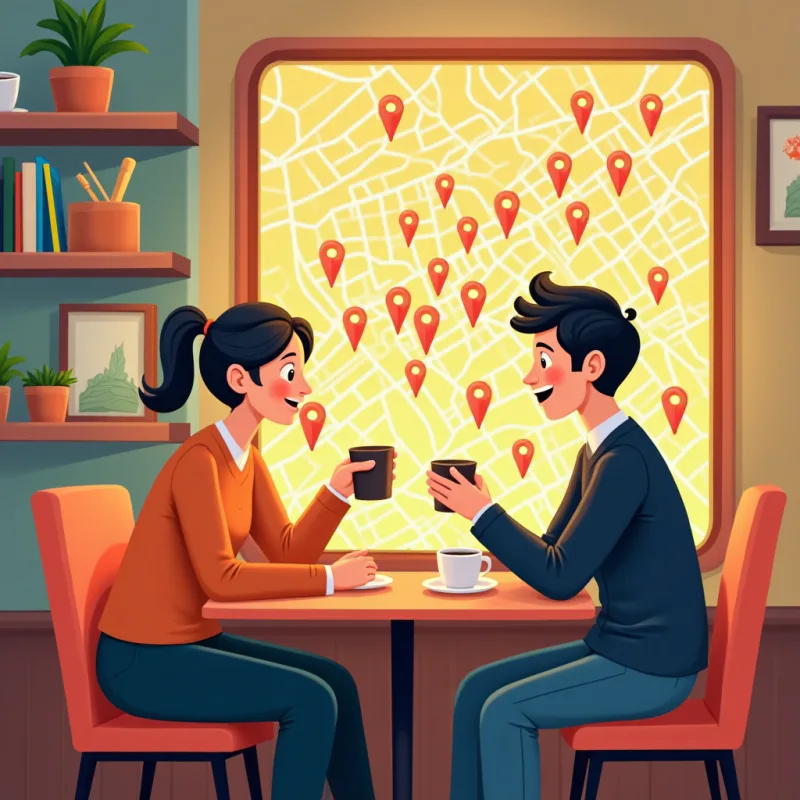
If you're reading this and quietly running the favor test on yourself, and the list is coming up short, that's not a verdict on you. It's just information. It means the next move is a small, deliberate one: meet a few people before you need them.
Nobody should have to face the worst week of their life alone in a country full of polite strangers. And nobody should discover, in the middle of it, that a lonely cat was the least of what was missing.
Build the network first. Everything hard gets a little easier when there's someone to call.
SewaYou puts the people near you on a map, so the next time life throws you a bad week, your contact list won't be empty.


