

A specific kind of panic shows up about a month before a big Japanese exam. You open a kanji that you absolutely knew last year. You stare at it. Nothing. Not the reading, not the meaning, not even a hazy guess. You start scrolling back through old vocab decks and the same thing happens with words you used in conversations six months ago. You feel like you are losing the language you spent three years building.
I have watched dozens of intermediate and advanced learners hit this wall, and I want to tell you the part nobody says out loud. You are not getting worse, just measuring in silence.
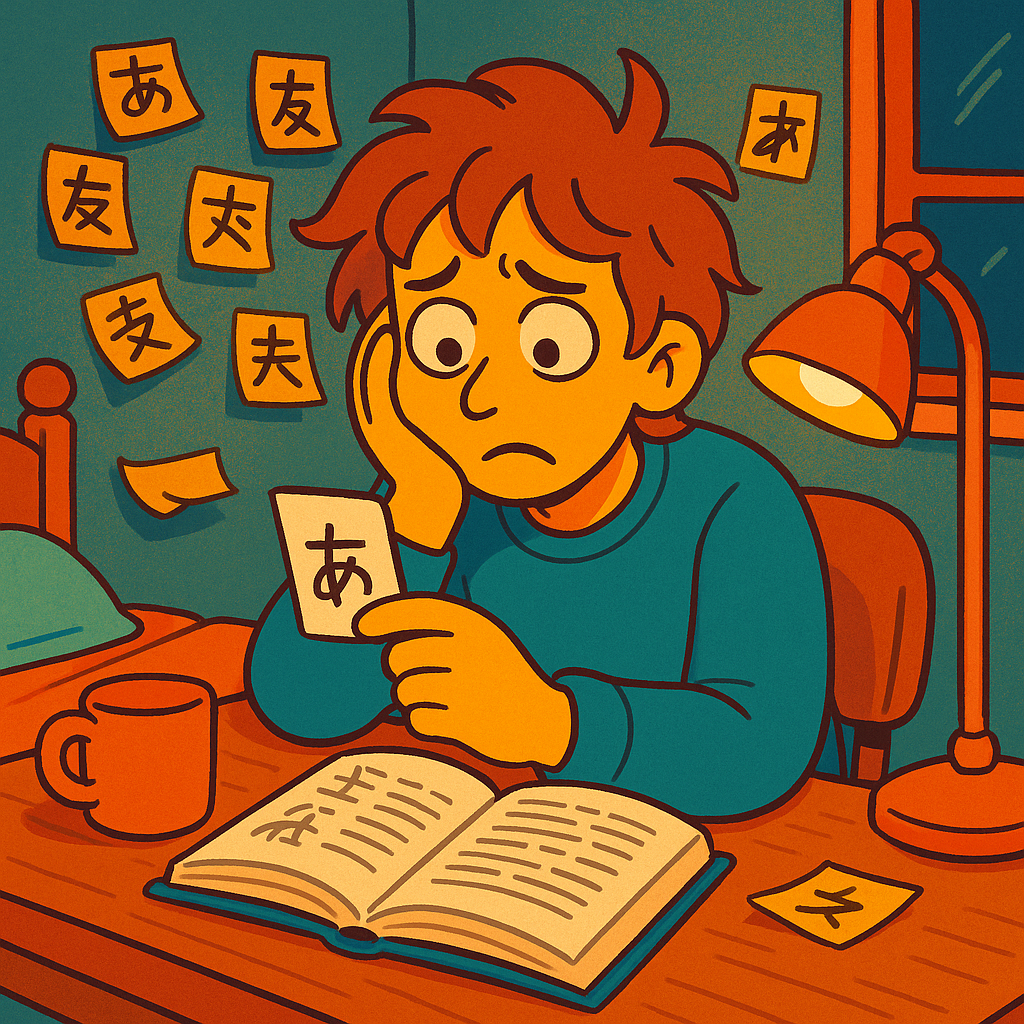
The thing that breaks people during this phase is the assumption that a word you cannot recall today is a word you have lost. That is not how memory works. Vocabulary lives on a curve. You learn it, you forget most of it, you re-encounter it, you remember it slightly longer, and the cycle repeats. Each round burns the word a little deeper.
When you sit down alone and quiz yourself in week 38 of your JLPT prep, you are measuring the bottom of every forgetting curve simultaneously, with no input to refresh anything. Of course it feels catastrophic. You are running the saddest possible test on yourself.
A native speaker who has not used a word for three years will blank on it too. They do not call that "deterioration." They call it "I have not used that word in a while." The word is not gone, just dusty.
This is the part that hurts the most for intermediate learners, and almost nobody talks about it. When you study Japanese alone, your only data point is your own performance, measured against an imaginary version of yourself that knew everything perfectly.
That version of you never existed. You never knew all the kanji at the same time. You knew batches of them at different points in time, with overlap, and the overlap is what you are still carrying. But because you never had a conversation partner who said "yeah, I forget that one too" or "wait, what was that word again," you have no calibration for what normal looks like at your level.
So the gap between what you imagine fluent feels like and what you experience feels like decline. It is not decline. It is the first honest measurement you have ever taken.
The instinct when you feel the slip is to study harder. Open more decks. Add more new words. Push more hours. This is exactly the wrong move a month before a big exam.
When you cram new material that late, three things happen at once. You overload working memory, which actually pushes old material further out of reach. You add anxiety, which suppresses retrieval even more. And you spend the energy you would have spent reviewing, on stuff that will not have time to consolidate anyway.
A month out, review, do not acquire. Re-read the grammar you already learned. Cycle through the vocab you have already seen. Let the curve do its work. The words you "forgot" will come back faster than the new ones will go in, every single time.
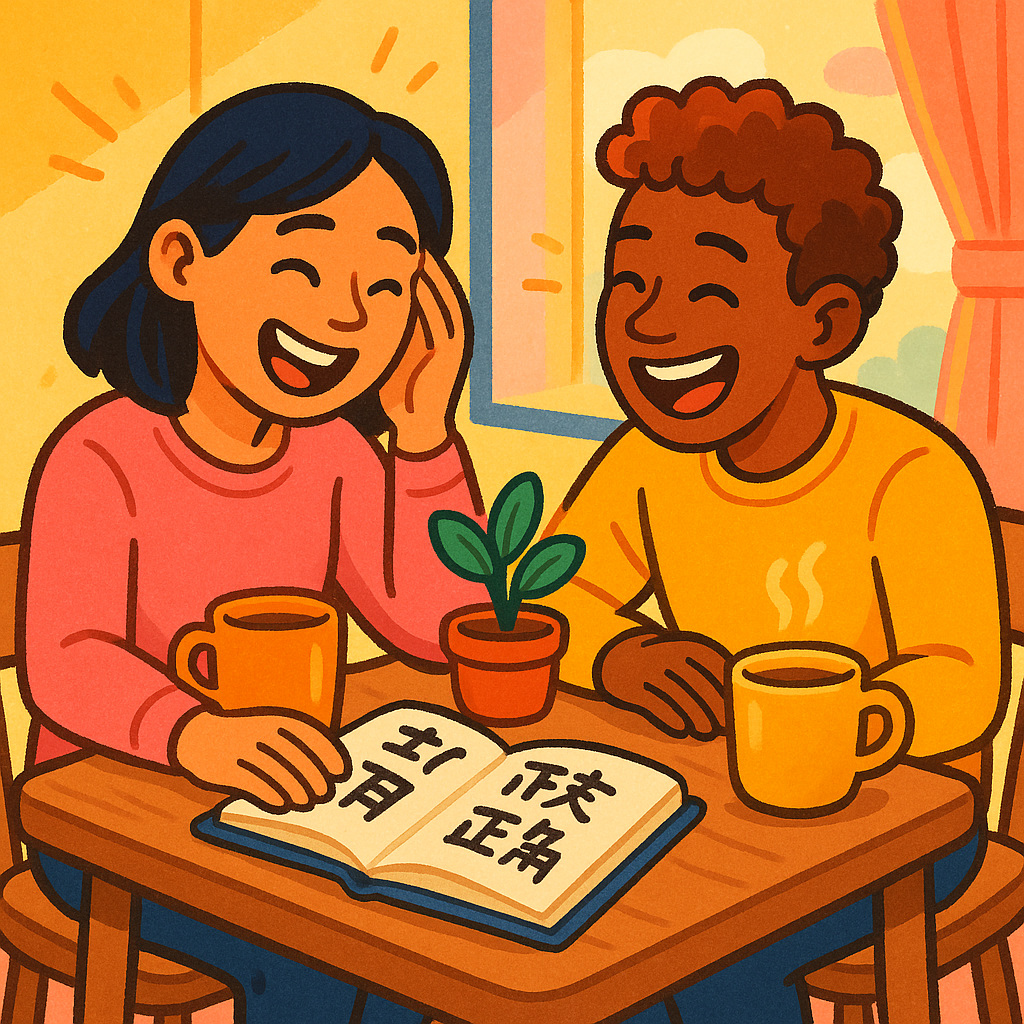
Here is the thing that flashcards cannot do. When you talk to a native speaker about something you actually care about, your brain has to grab vocabulary in real time, in context, with stakes. That is the highest quality retrieval practice there is. It is also the only kind that comes with immediate feedback and a tiny dopamine reward when the other person understands you.
One thirty-minute conversation in Japanese will surface more "I forgot I knew this word" moments than three hours of Anki. Better, it puts those words back in a location your brain can find them, because now they are tied to a face, a topic, a laugh, a follow-up question.
This is also where the loneliness piece gets fixed. Most learners hitting this wall are studying entirely alone, with nobody to validate that what they are experiencing is normal. Burnout in a vacuum is a different animal than burnout in a group. One conversation a week rewires the whole feeling.

If you are in the pre-exam slump right now, try this for seven days. Stop adding new material. Review what you already know in passes, not deep dives. Read or watch one thing in Japanese that you actually enjoy, in a domain you care about, not test prep. And find one human being to talk to in Japanese for thirty minutes, about anything.
You will be surprised how fast the panic subsides. Not because your Japanese got better in a week, but because you finally got a real measurement instead of an imaginary one.
The deterioration was never the language. It was the silence around the language.
Make Japanese Friends On a Live World Map
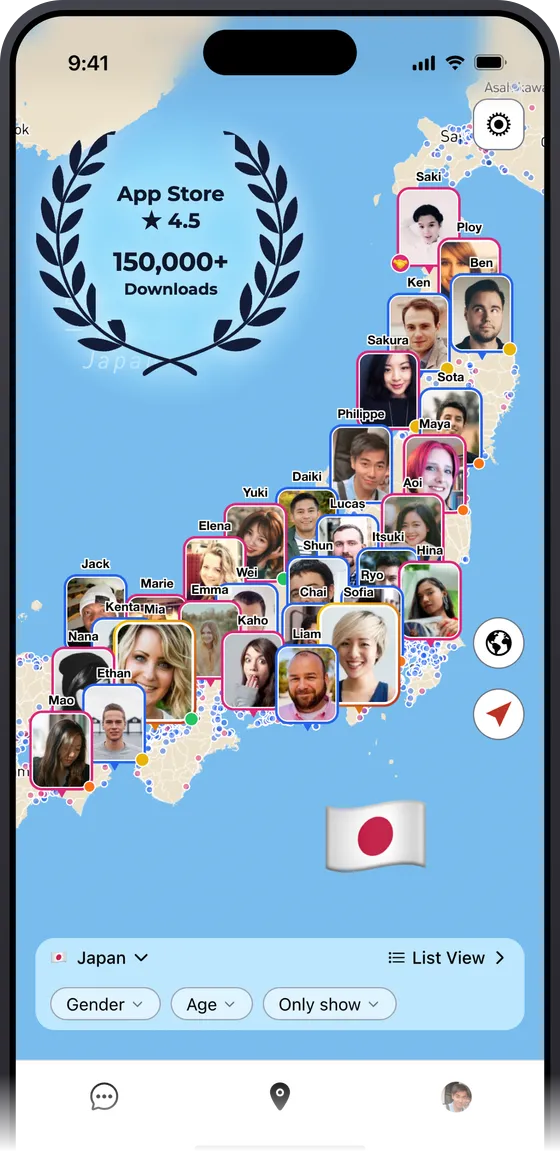
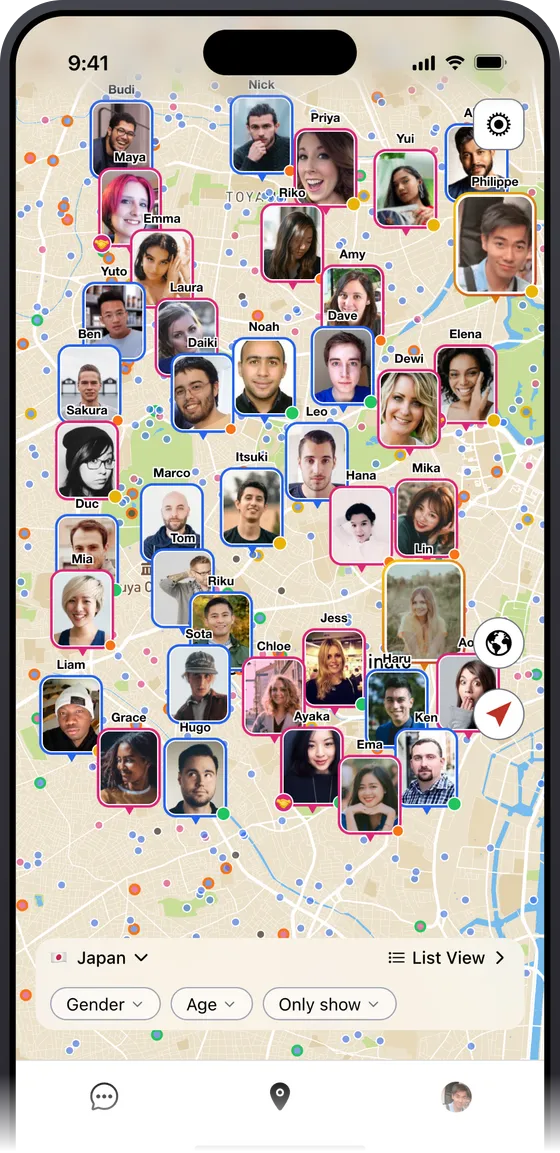
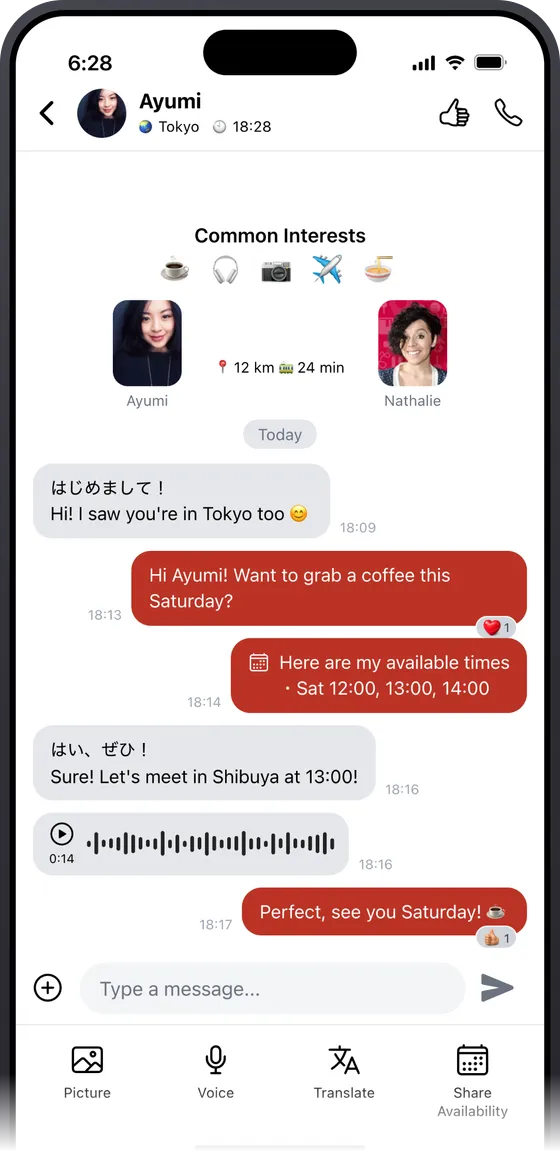


SewaYou is a map-based app for finding language exchange partners and friends nearby in Japan. You filter by language, by interests, by neighborhood, and you can meet up in person or chat. If you are studying Japanese alone right now, this is the cheapest possible fix for the silence problem.
Stop measuring yourself in an empty room. Find someone to study and chat with, and watch how fast the "deteriorating" feeling goes away.
Download SewaYou and meet your first language partner this week.


