Somebody told you the number before you ever saw a payslip. Two full months of salary, paid twice a year, is the standard Japanese bonus. That is the figure that floats around forums and welcome dinners, and once you hear it, you quietly build your whole budget around it.
Then the summer bonus lands. You open it, and it is a third of one month. Not two months. A third of one. You read it twice to make sure. And the strange part is not the disappointment. The strange part is how deep the disappointment goes for what is, on paper, a modest amount of money. You could almost laugh. They could have handed you an onigiri and you would have felt about the same.
If that is where you are right now, this is for you.

Here is the first thing nobody explains clearly. The Japanese bonus, the ボーナス, is not a promise, it is a bet on the company's year. It is discretionary. It is tied to how the business did, to your section, and to a manager's read of you, and it is written into almost no contracts as a fixed figure.
The "two months, twice a year" number is real, but it describes big, profitable, established firms. Large manufacturers, banks, the kind of company your friend's uncle retired from. It was never a law of physics that applies to every employer in the country.
Smaller companies, startups, and a lot of the places that hire newcomers early in their time here pay far less, or pay in a way that swings hard year to year. Your colleagues getting roughly what you got is not a coincidence you should hide from. It is the clearest signal you have about what this particular company actually does. One of you underpaid could be a mistake. All of you at the same low number is a policy.
The money itself, honestly, is not the wound. If someone had handed you the exact same amount as a surprise gift, you would have been delighted. The pain comes from the gap between what you were told to expect and what you received, and from what that gap seems to say.
Because a bonus in Japan is not just cash. It arrives dressed up as a message about how much you matter here. So when it comes in tiny, the story your brain writes is not "the company had a soft quarter." The story it writes is "they looked at everything I did for nine months and decided it was worth almost nothing." That is a heavy thing to carry home on a Friday.

And it hits newcomers hardest for a reason that has nothing to do with money. When you are still new in Japan, the job is often the only structure you have. It is your schedule, your reason to leave the apartment, most of the people you speak to in a week. So when the job sends you a signal that feels like a shrug, there is nothing else in your life to absorb it. The bonus is small, but it lands on the entire surface of your day, because work is the entire surface of your day.
Then comes the twist of the knife. Your partner, at a different company, gets five bonuses a year. Five. You do the math you should not do, and it makes the envelope in your hand feel even more like a verdict.
Stop there, because comparison is a slow poison and it is measuring the wrong thing. Your partner's five payments describe their employer's compensation structure, not their worth as a human being, and not yours. Bonus frequency and size vary so wildly across Japanese companies that comparing two people's bonuses tells you almost nothing except that they work in different places. You already knew that.
The useful comparison is not you against your partner. It is this year's you against next year's you, and whether the trajectory here points somewhere you want to go.
So, should you leave? Maybe. A low base salary plus a token bonus plus no clear path upward is a genuinely good reason to start looking, and there is no shame in a job search that begins the week a disappointing bonus lands. Just do it as a plan, not as a flinch.
But notice the panic underneath the question. The urge to quit this week usually is not really about the yen. It is about how exposed you feel, and that exposure comes from a life where one building holds all of your weight. When the office is your only world, one bad signal from it feels like the sky falling. When it is one part of a fuller life, the same signal is just information. Useful, a little annoying, and survivable.

That is the real work, and it is quieter than a dramatic resignation. Before you decide anything about the job, build something that exists outside the job. Because a person with friends, a weekend that has nothing to do with the company, and a sense of who they are away from the desk can look at a small bonus, feel the sting, shrug, and go on with their actual life.
This is the part that changes everything, and it has nothing to do with your employer. You need a second center of gravity, a corner of your life in Japan where your job title, your salary, and your bonus simply do not come up.
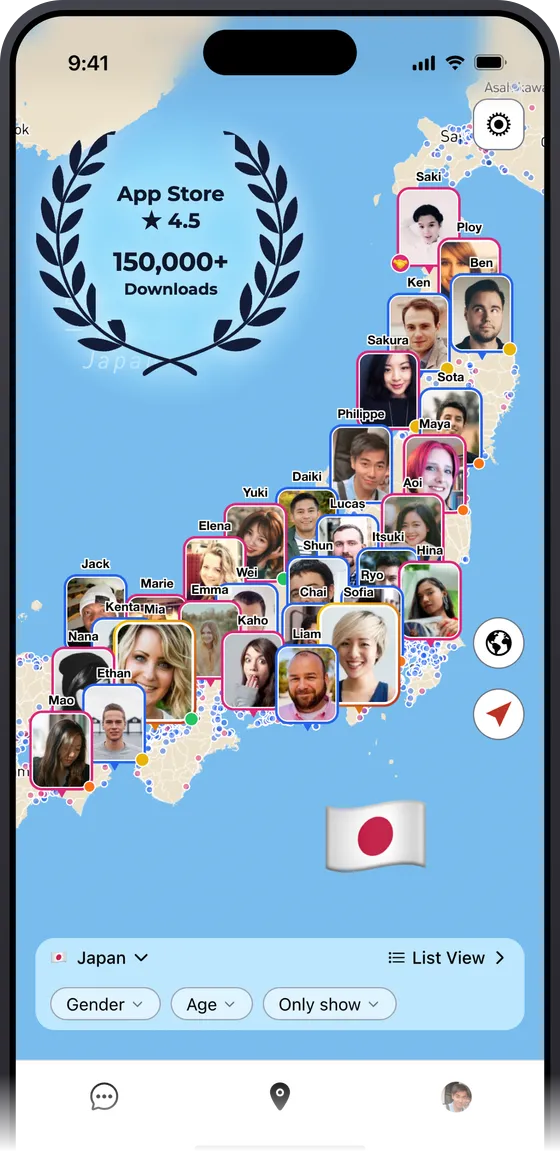
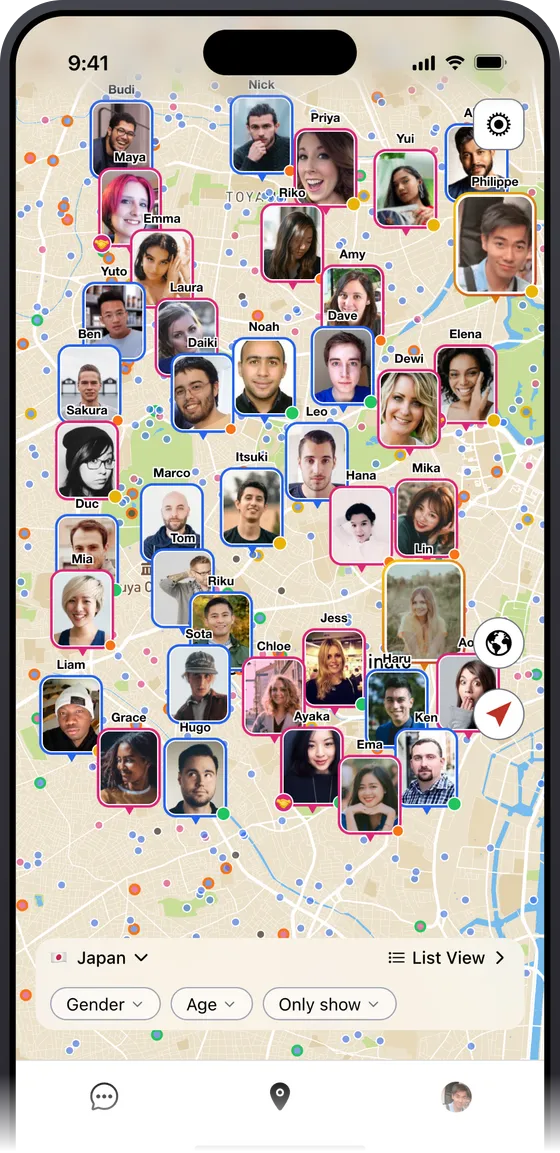
That is exactly what SewaYou is built for. It is a map-based app that shows you real people near you who are open to meeting, for language exchange, for coffee, for a walk, for company that has nothing to do with your section chief. You open the map, you see who is around, and you start with something small and low stakes. No performance review attached.
Make Japanese Friends On a Live World Map
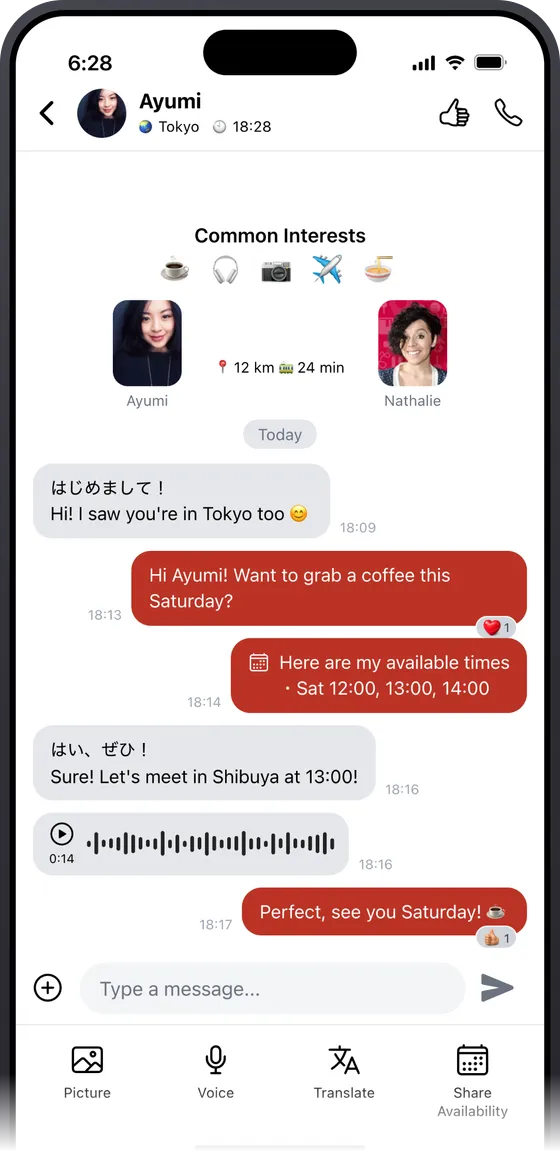


The point is not to replace your income with a social life. The point is that when a friend has never met your manager and does not care what your bonus was, your job shrinks back down to its correct size. It becomes eight or nine hours a day, not the sole verdict on your worth. Perspective is not something you argue yourself into at 11pm. It is something other people hand you over coffee on a Saturday.

The bonus was disappointing. That is allowed to be true. But it is a fact about one company in one year, not a ruling on your life in Japan. Decide about the job with a clear head, on your own timeline. And in the meantime, go build the part of your life that no envelope from HR gets to define.
SewaYou is a map-based app for making real friends and language partners near you in Japan. Open the map, see who is around, and start with a genuine hello.