Maybe you just got placed in Takasaki as an ALT. Maybe a job brought you to Gunma, or you picked Takasaki because it's an hour from Tokyo by shinkansen and the rent is kinder. Either way, a few weeks in, a lot of people notice the same thing: the city is easy to live in, but it's not obvious where you're supposed to meet anyone.
You're not as alone as it feels. According to Gunma Prefecture, more than 87,000 foreign residents from 115 countries lived in the prefecture at the end of December 2025. Factory and care workers, university students, English teachers. They're here. They're just spread out, and most of them are as unsure where to find people as you are.
This guide covers how to make friends in Takasaki in 2026: the areas worth knowing, the events and groups that actually exist, and a simple plan for your first month.
Takasaki is Gunma's gateway city, a shinkansen stop with a busy station and a compact downtown. So why does it feel hard to build a social life here? In my view, it comes down to three things.
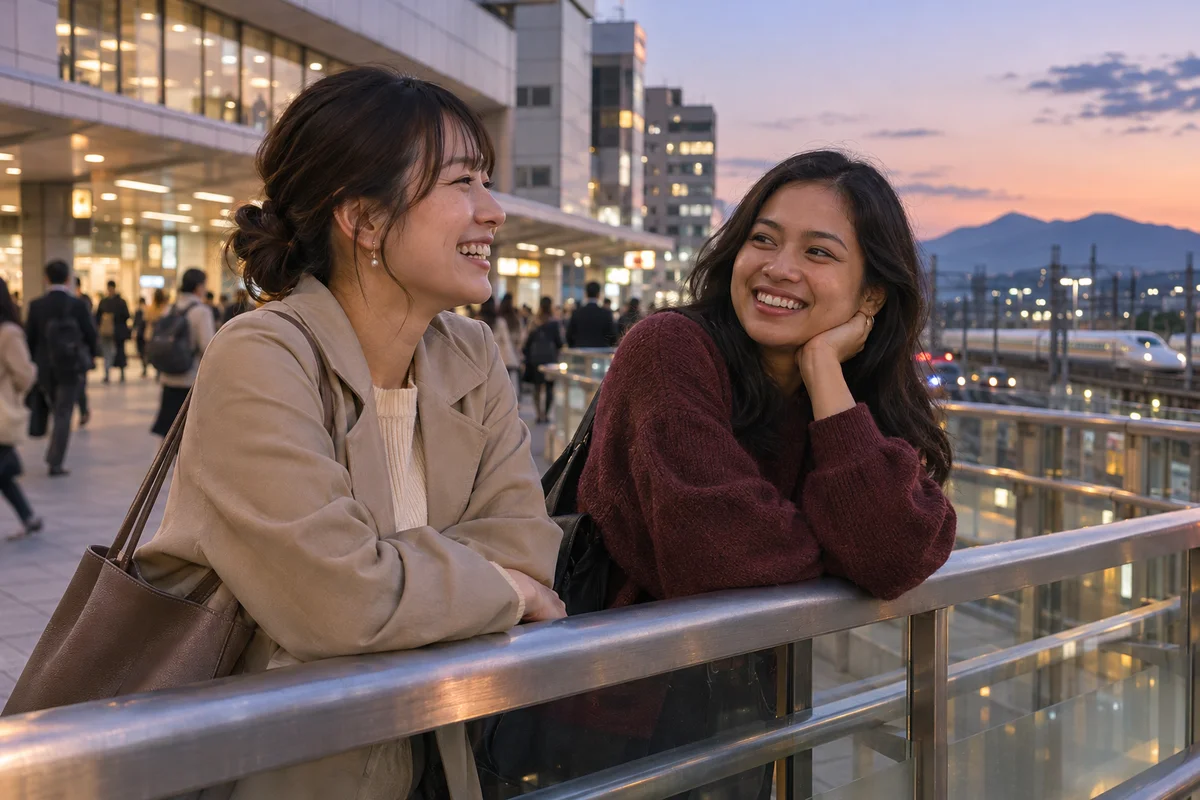
The foreign community is scattered. Gunma has a lot of factories, and people tend to live near where they work. ALTs are placed in schools across the prefecture, not just in central Takasaki. If you only look around the station, you'll only ever see a small slice of the international crowd.
Tokyo is too close. The Joetsu and Hokuriku shinkansen get you to Tokyo in about an hour, so plenty of people, Japanese and foreign, save their social life for weekend trips to the capital. If you commute to Tokyo on weekdays and go back on weekends, Takasaki never gets a chance to become home.
It's a car town. Drive from home to work, drive back, and the day is over. There are very few accidental encounters built into that routine.
The upside? Takasaki is small enough that faces get remembered. The social circles are smaller than Tokyo's, which means one good friend quickly introduces you to their friends. Once you're in, it moves fast.
It helps to think of Takasaki in four zones, all reachable on foot or by bus from Takasaki Station.
The old heart of the city sits on the west side of the station. Walk from the station street through the covered Chuo Ginza shopping arcade toward Takamatsu-cho, where city hall stands, and you've covered the traditional downtown. The famous New Year Daruma Market is held on the west exit station street too.
This is also where international exchange lives. The Takasaki City International Association (高崎市国際交流協会) has its office inside city hall in Takamatsu-cho, and the Chuo Kominkan community center it uses for events is on the west side as well. For evenings, izakaya and small bars are scattered from around the west exit out toward Yanagawa-cho.
The east side was rebuilt in recent years. Takasaki Arts Theater hosts concerts and performances that pull in crowds from outside the prefecture, and a bit further out, G Messe Gunma is a large convention center where trade shows bring business visitors, sometimes from overseas.
Think of the east exit as a place for event days. Inviting someone you've just met to a concert or an expo gives you an easy reason to meet, and the post-show chat over dinner does the rest.
Tonyamachi is north of the station, a neighborhood with a growing number of stylish shops and cafes. Viento Takasaki here is where the international association has held its autumn International Exchange Gathering.
It isn't a daily hangout for internationals, but on gathering day it's probably the single best place in the city to meet a lot of people from a lot of countries at once.
Takasaki City University of Economics is in Kaminamie-machi, and international students study there. The streets around campus have student apartments and cheap set-meal restaurants.
If you're not a student, the easiest way in is through public lectures and events the university opens to the community. That's a far more natural start than trying to approach people on campus.
The Takasaki City International Association is the most useful starting point in town. Founded in 1990 and run by citizens, it organizes exchange programs with foreign residents, events introducing overseas cultures, Japanese-learning support for foreign residents, and registration for host families and volunteer interpreters and translators.
In 2026 its programs included a wagashi (Japanese sweets) making session for foreign and Japanese residents, a zazen meditation experience, and an international parent-and-child gathering. These are small-group events where talking to people happens naturally. Check the association's website first and confirm the latest schedule and how to sign up before you go.
If you only go to one event a year, make it this one. The association's International Exchange Gathering (国際交流の集い) is held every autumn. In 2026, the 34th edition took place on October 4 at Viento Takasaki, with food, dance, music and cultural activities from around the world. Entry was free and no registration was needed.
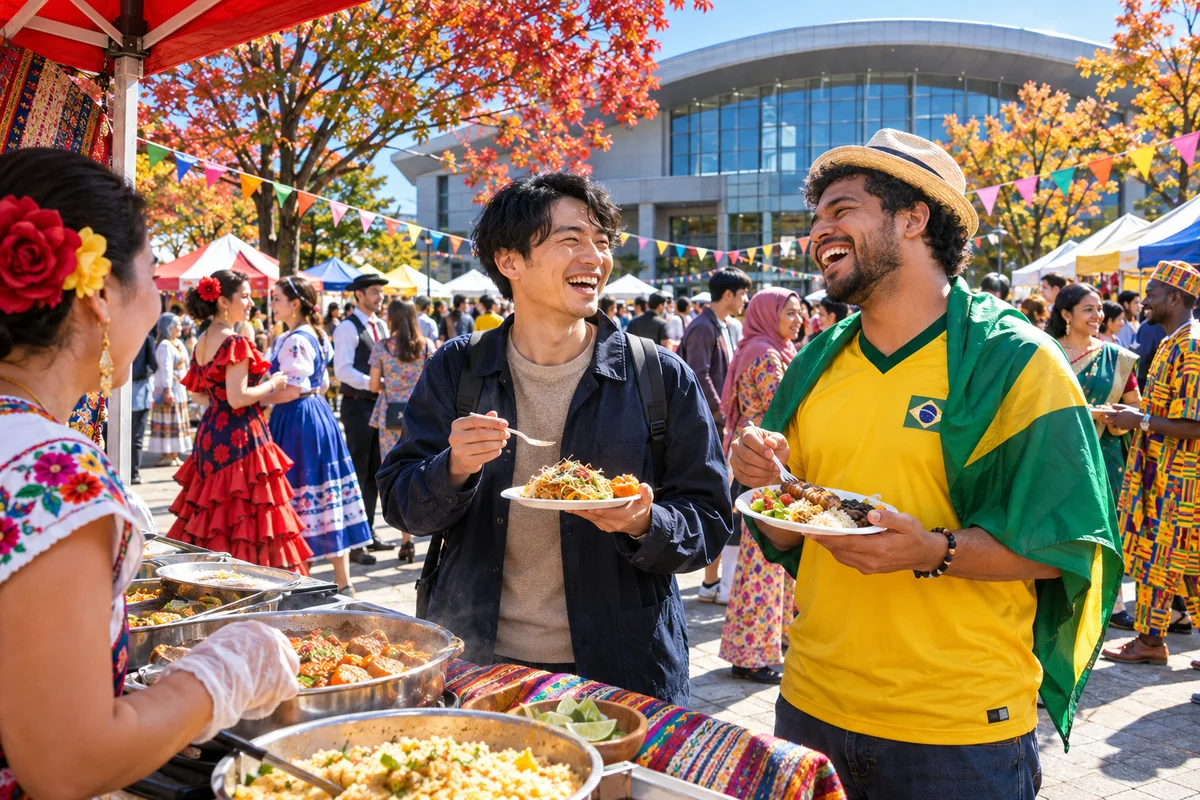
Events like this make conversation easy. Stand in a food line and someone will ask what you're eating. Lots of people come in traditional clothes, so there's always something to talk about. Keep an eye on the association's website and Facebook as autumn approaches for next year's date.
If you're an ALT, or just an English speaker who wants to meet other internationals, Gunma's JET community is worth plugging into. JOMO JET is a volunteer group of JET participants in Gunma that runs cultural exchange events for residents. In 2026 they held a film day with discussion groups after the screenings, and they've also run events like board game nights and an international carnival.
The group doesn't seem to keep a regular website, so follow them on social media for upcoming dates. These events tend to mix Japanese residents and foreigners, which is exactly what you want: friends from both worlds, not just a bubble.
The association runs training courses for Japanese-language volunteers, and in September 2026 it was recruiting participants. For Japanese residents, helping foreigners learn Japanese is one of the most reliable ways to build friendships in Takasaki. For you, the flip side works too: joining a local Japanese class puts you in a room with the same people week after week.
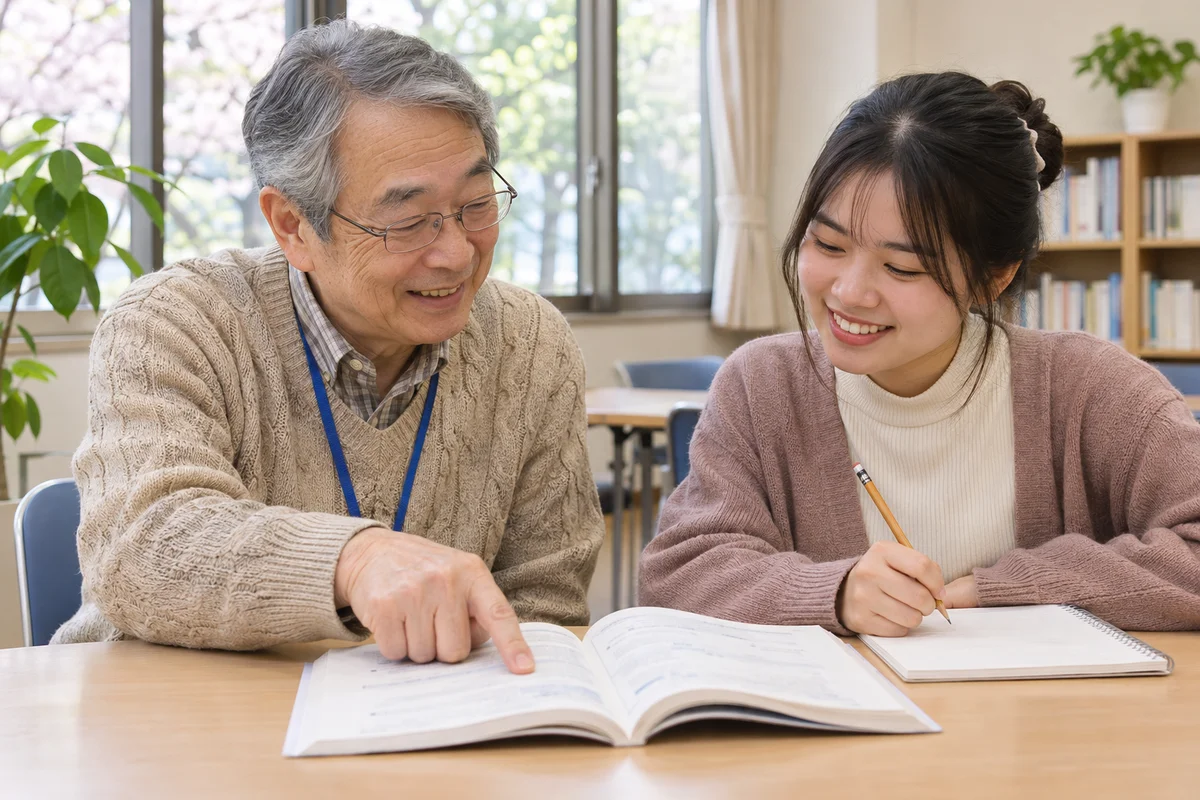
That repetition is the whole point. Seeing the same faces every week turns small talk into real conversation, and before long you're grabbing lunch together on a weekend. Japanese friendships tend to grow through repeated contact, not one great night out.
Search "foreigner bar Takasaki" and you probably won't find a famous expat hangout. Takasaki just isn't that kind of city, and honestly, that can work in your favor.
Pick one izakaya or bar with a counter around the west exit and go back a few times. Once the owner recognizes you, they might introduce you to other regulars, foreign or Japanese. A place built around something you love, like craft beer or sake, makes the first conversations easier.
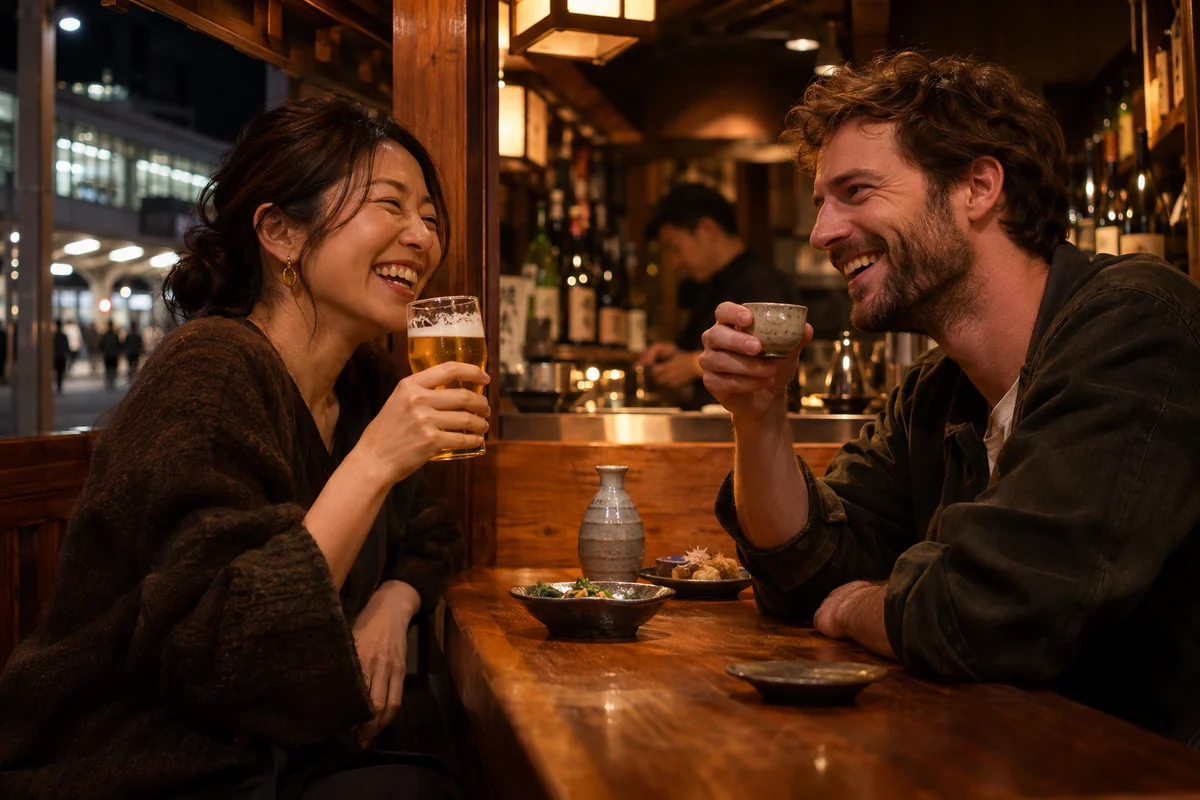
Takasaki and Gunma have a calendar that's made for meeting people. The summer Takasaki Matsuri reached its 52nd year in 2026. At New Year, the Daruma Market fills the west exit with rows of Takasaki's famous red daruma dolls.
Gunma Prefecture also runs multicultural events. On October 24, 2026, the prefecture held "Karakkaze Park" at the plaza and hall in front of the prefectural office in Maebashi, a short train ride from Takasaki. Bigger events like that draw people from many countries, and inviting someone you met in Takasaki gives you the perfect excuse for a second meetup.
Shared experiences turn acquaintances into friends. Use events not only to meet people, but to deepen the friendships you've already started.
Week 1: Look at the international association's website and Facebook, and the JET community's social media. Pick one event or class you can realistically attend.
Week 2: Walk from Chuo Ginza to Takamatsu-cho on the west side. Find one izakaya or bar you'd like to try.
Week 3: Go to the event you picked. Afterward, swap contacts with just one person you talked to.
Week 4: Invite that person for coffee or to the place you found.
The most common mistake? Deciding "there's nothing in Takasaki" and spending every weekend in Tokyo. Because the circles here are small, one local spot changes everything. Once you have it, the rest comes quicker than you'd expect.
Alongside events and classes, a map-based app helps a lot in a city like this. When internationals are scattered across the prefecture and everyone drives, simply seeing that someone you'd get along with lives close by makes a real difference.
And the map isn't limited to Takasaki. From home, you can browse people in a country or city you're curious about and build friendships online, no travel plans needed. You can get to know people before a trip and meet up when you're there. And when your ALT friends or exchange student friends eventually head home, the map keeps you connected across the distance.
Make Japanese Friends On a Live World Map
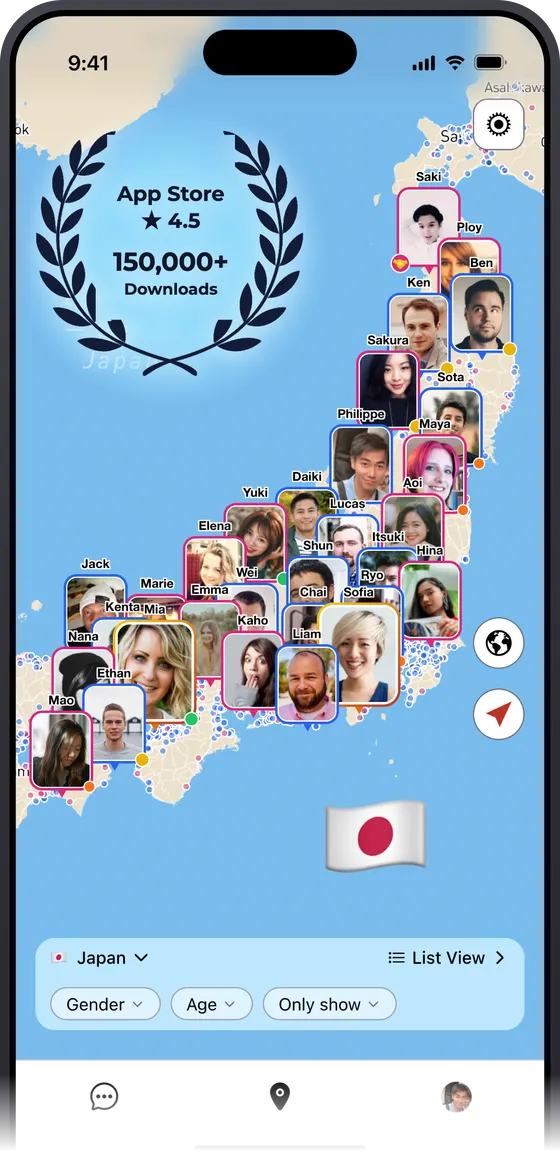
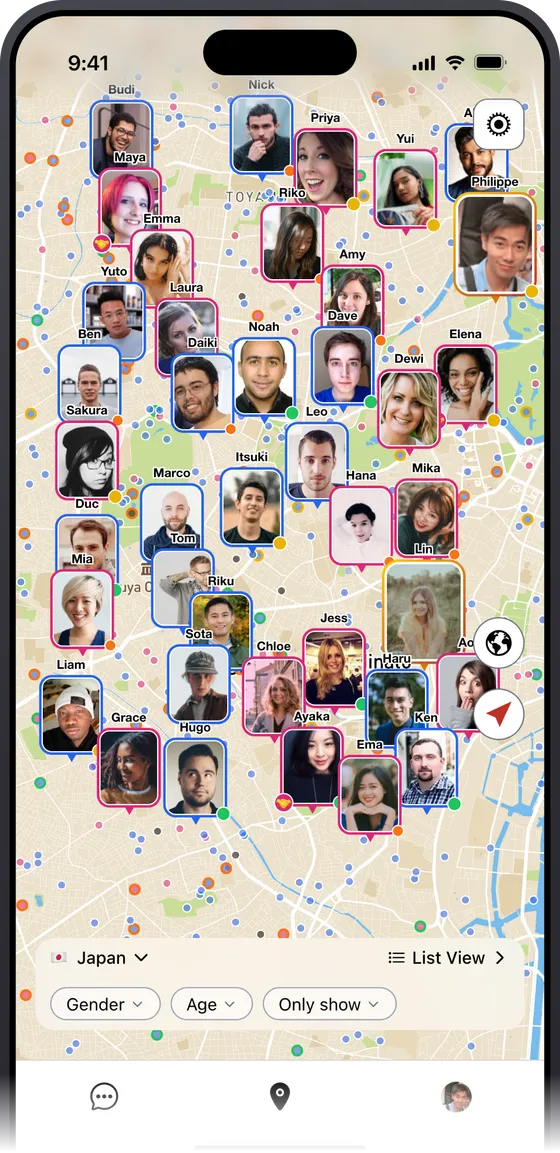
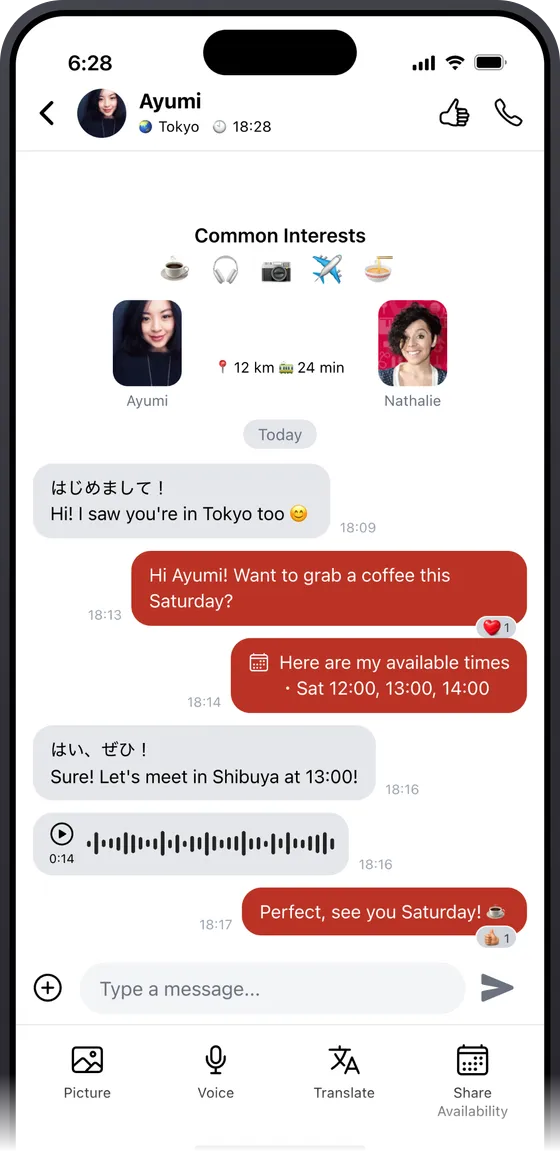


SewaYou is a map-based friendship app for finding people nearby and anywhere in the world. Open the map, see who's around Takasaki Station, and suggest a coffee near the west exit. Or explore another city or country from your couch and start a friendship online. If you want to compare options, here's our guide to the best apps for making international friends.
Where can foreigners meet people in Takasaki?
Start with the Takasaki City International Association's events. The west exit side, home to city hall and the Chuo Kominkan, is the center of international exchange, and on the day of the autumn International Exchange Gathering, Viento Takasaki in Tonyamachi is the busiest spot in town.
Is there an expat community in Takasaki?
Yes, but it's spread out. Many foreign residents work in factories or schools around Gunma rather than living in central Takasaki. The city's international association and Gunma's JET community, including the volunteer group JOMO JET, are the easiest ways to find it.
When is the International Exchange Gathering in Takasaki?
The association holds it every autumn. In 2026, the 34th gathering took place on October 4 at Viento Takasaki. Check the association's official website for next year's date.
Are there foreigner bars in Takasaki?
There aren't really well-known expat bars. Your best bet is to choose one counter bar or izakaya near the west exit and keep going back until the owner and regulars know you.
Do I need to speak Japanese to make friends in Takasaki?
It helps, but you don't need to be fluent. Many Japanese residents want to meet foreigners, international events run on goodwill and gestures, and joining a local Japanese class is itself a great way to make friends. Learning a little goes a long way.
The secret to making friends in Takasaki isn't Tokyo. It's building one place in your own city where you'll see the same people again. Get close to one person, and you'll find yourself connected to their coworkers, classmates and friends sooner than you'd think.
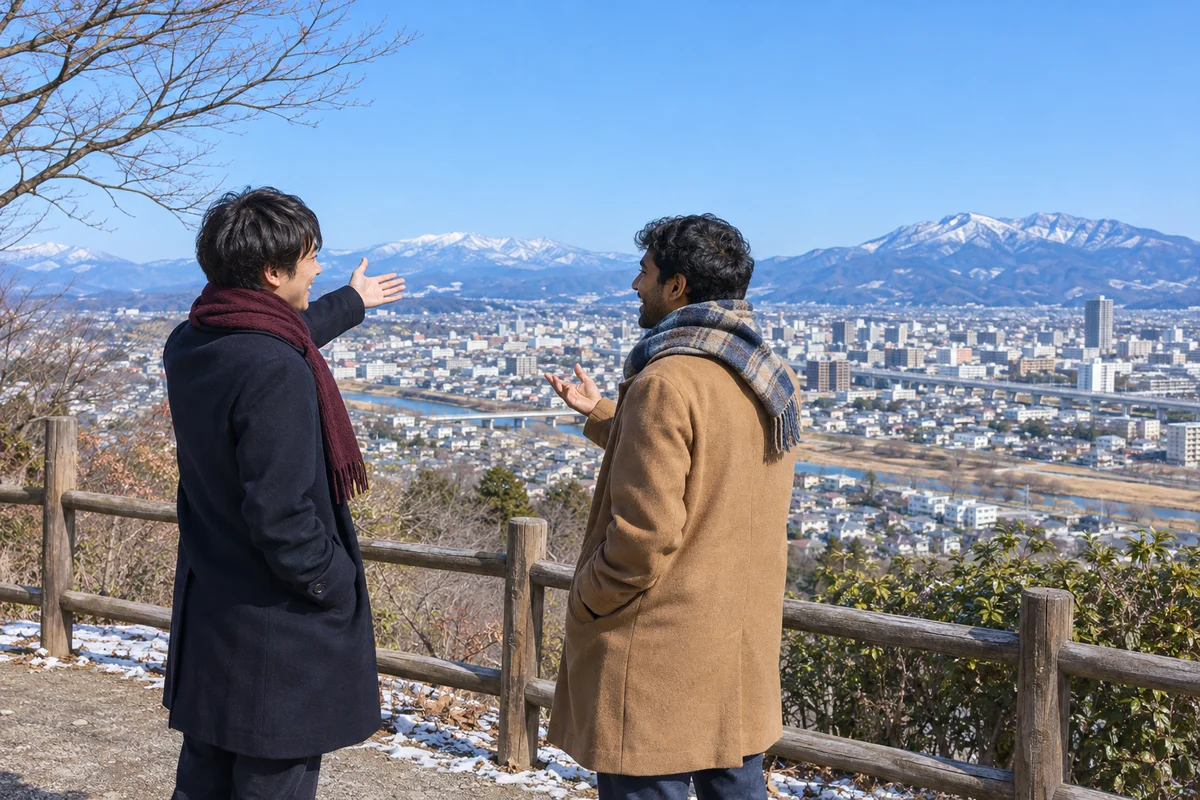
Looking for friends in Takasaki? Download SewaYou to find people near Takasaki Station or anywhere in the world, and start building your circle today. Moving on to another city? See our guide to making friends city by city in Japan.