
Picture this. You're trying to stamp a document at work, and you can't tell which way up the little seal goes. So you make what feels like the most reasonable suggestion in the world: why not add a small mark so people know which side is the top?
Your supervisor doesn't nod. They look genuinely hurt. The stamp, they tell you, stands for a person. Marking it would be like drawing on someone's body to show which side is their left.
If you've worked in Japan for a while, some version of this moment has probably happened to you. A tiny practical fix, met with a reaction far bigger than the fix itself. And then, a few hours later, a second thought creeps in. If the stamp deserves that much respect because it represents people, why doesn't the same respect seem to apply to the people themselves, and to their time?
That question is worth sitting with. Not to win the argument, but because the answer changes how you deal with work here.
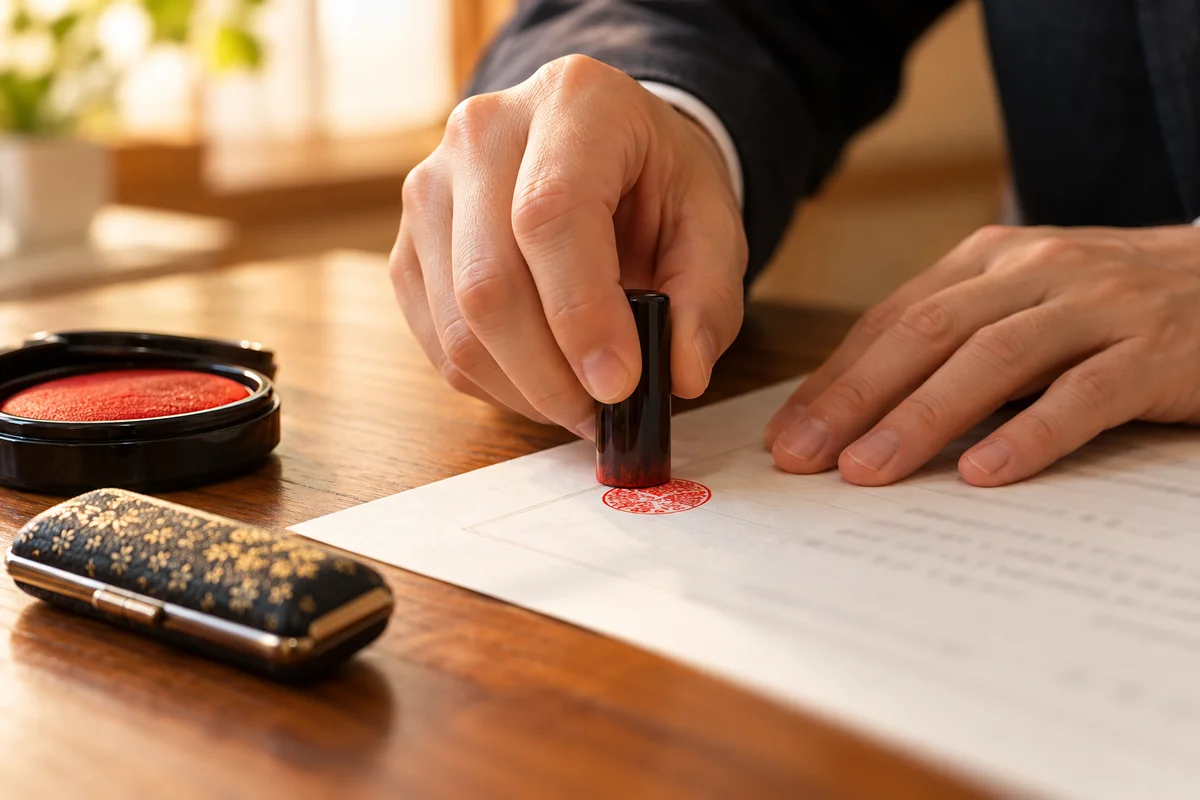
In Japan, a personal seal, called a hanko or inkan, has long done the job a signature does elsewhere. It goes on contracts, approvals, delivery slips and internal paperwork. An official registered seal can carry serious legal weight. For many people, their seal is something they chose carefully, keep safely, and handle with a bit of ceremony.
So when someone says the stamp represents a person, they're not being dramatic in their own eyes. They're describing how they were taught to see it. The seal is a stand-in for a name, a responsibility, a promise. Treating it as a mere office tool, something to label and optimize, can feel like treating the person behind it as a mere tool too.
You don't have to share that feeling. Plenty of people in Japan find hanko paperwork tedious, and the government itself has spent recent years pushing to cut seal requirements from many procedures. But it helps to know that your suggestion touched a meaning, not a gadget. That's why the reaction was so out of proportion to the idea.
Here's the part that trips up a lot of foreign workers. In many Japanese workplaces, a suggestion about how something is done can be heard as a comment about the people who have always done it that way. "This would be easier" quietly becomes "you've been doing it wrong."
Add a symbolic object into the mix and the effect doubles. You weren't just proposing a process change. You were proposing to alter something that, to your supervisor, carries a person's identity.
None of this means you should stop having ideas. It means the framing matters as much as the idea. Asking "How do you usually tell which side is up?" invites them to teach you. Proposing a mark invites them to defend a tradition. Same problem, very different conversation.
Now for the uncomfortable part, because the second thought deserves a fair hearing.
There is something jarring about a workplace that treats a small seal with near reverence while treating people's evenings as an elastic resource. Showing up well before your shift because "everyone does." Staying until the boss leaves. Feeling a little guilty for taking the paid leave you're entitled to. The symbol gets protected. The human gets stretched.
I don't think that's hypocrisy in the simple sense. Both habits come from the same root: a culture where belonging is shown through form, effort and visible commitment. Respecting the stamp is a way of showing you take the group seriously. So is arriving early. The ritual and the overtime share a root. That's exactly why one can feel sacred and the other can feel unavoidable.
But understanding where something comes from doesn't oblige you to accept all of it. You can see the logic and still decide where your line is.

The most useful move I've seen people make is to separate these two fights, because they are very different fights.
The stamp is cheap to honor. Hold it the way your colleagues hold it. Ask someone to show you the right orientation once, then remember it. Small gestures of respect for the things your workplace cares about build goodwill quickly, and goodwill is what you'll spend later.
Your time is not cheap, and it's where your energy should go. A few things worth knowing and doing:
In other words, give the symbols what they cost you nothing to give. Save your pushback for the hours that are actually yours.

Here's what I've noticed about people who handle Japanese work culture well over the long run. It's rarely that they found the perfect employer. It's that work stopped being the only place where they felt seen.
When your whole social world is your office, every cultural clash feels enormous. A strange reaction from your supervisor follows you home and rattles around all evening, because there's no one else to talk to about it. When you have friends outside work, people who'll laugh with you about the hanko incident over dinner, the same moment shrinks back to its real size. Friends outside work shrink office drama.
That's a big reason we built SewaYou. It's a map-based friendship app for meeting people nearby and anywhere in the world. You can find someone in your own neighborhood to grab coffee with after a long shift, or chat online with people in another city or country without any travel plans. Some friendships stay online, some turn into meetups when you're close by, and both count.
Make Japanese Friends On a Live World Map
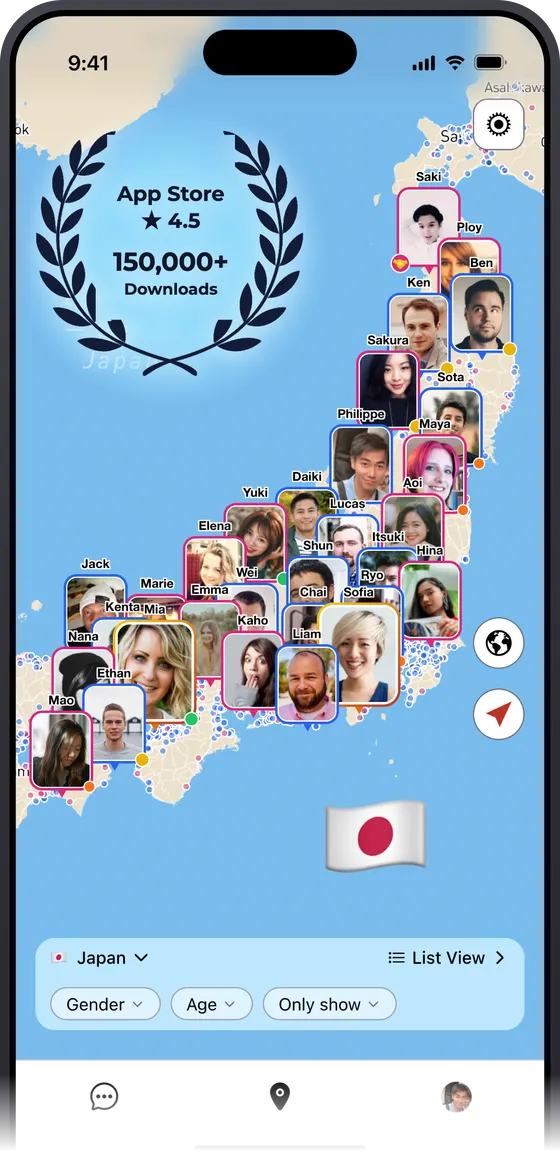
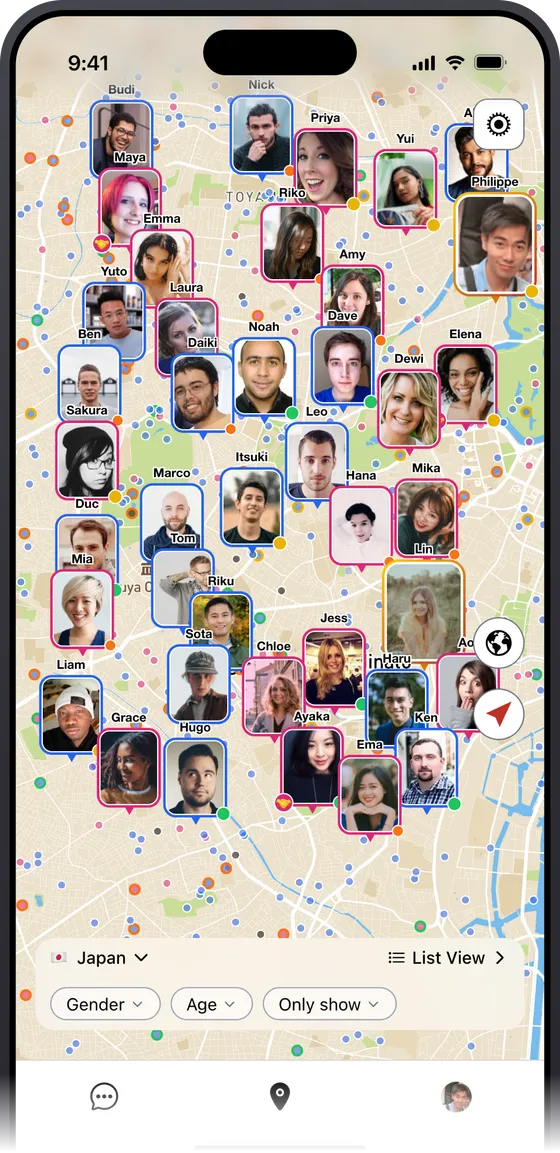
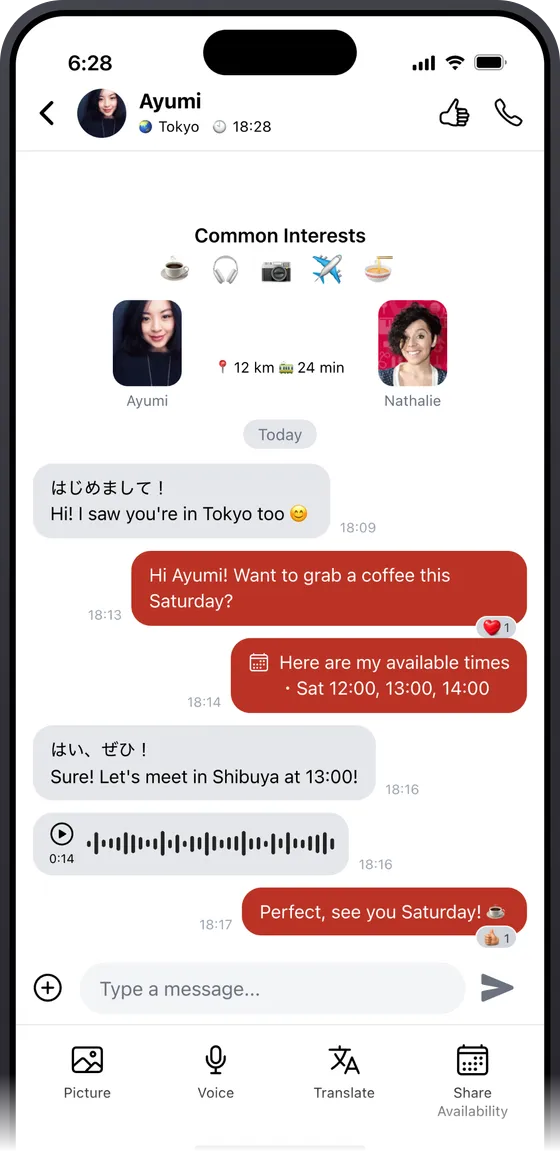


It won't change how your office feels about stamps. But it can give you people who care about how your evenings go, and that makes it a lot easier to protect them.
The stamp moment is a good lesson, just maybe not the one your supervisor intended. In Japan, respect is often shown through how you treat objects, rituals and forms. Learning that language will make your work life smoother.
But respect for people should include respect for their time, and it's fair for you to want that too. Honor the hanko. Then go home, see your friends, and keep the rest of your life for yourself.
If you're ready to build that life outside the office, download SewaYou and see who's out there, around the corner or across the world.