

Every foreigner in Japan has a family visit horror story. If you are new, ask anyone who has been here a while, and watch their eyes go distant. The aunt who tried to pay for everything with a twenty-dollar bill. The parents who wanted to visit the real Japan for one day and a theme park for the other six. The brother who "helped" by eating konbini food for a week and complaining it was weird.
The moment the plane lands, your job changes. You stop being a person and become a tour guide, a translator, an insurance policy, and a referee all at once. And everybody treats that as normal.

Nobody prepares you for what hosting actually means. Your family did not come to see your life. They came to see Japan, and you happen to be the one who lives there. Every minute of the trip is a negotiation about who gets to decide what you all do.
The quiet part is that you are the only one who knows the language, the rules, and the two-hour walk to the station. You become the sole point of failure. If the train is missed, if the reservation is wrong, if the food is too raw, if the day is rained out, it all lands on you.
Being the only one who understands makes you the default target for every problem.
That is where the resentment starts. Not because you do not love your family. Because you are carrying an entire trip on your back and nobody can see how heavy it is.
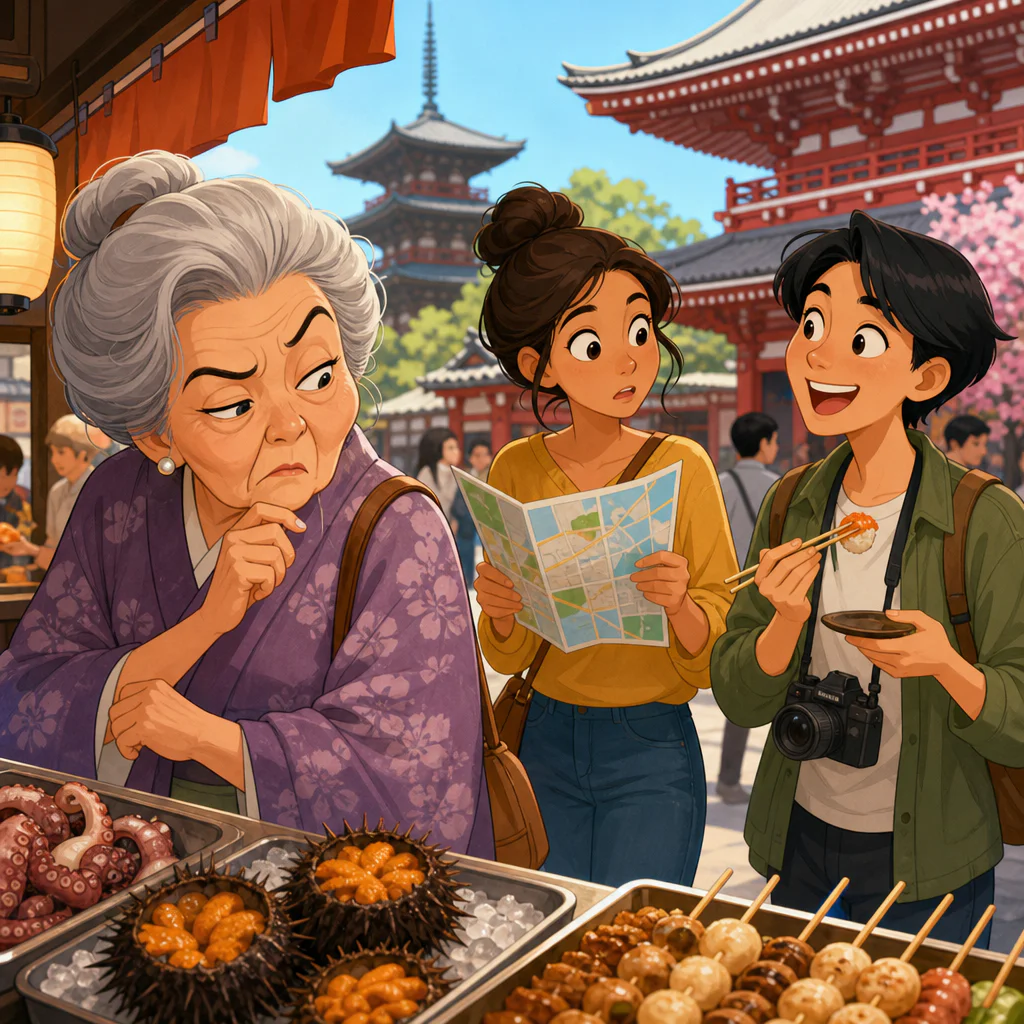
The fights on a family visit in Japan are rarely about bigger values. They are about the little gaps that neither side can see from where they stand.
For your family, Japan looks like a museum they paid a lot to see. For you, it is a Tuesday. They want to be impressed. You want to survive the week with your sanity. Those two wishes collide in a thousand small moments, and every one of them feels personal even though none of them are.
Your family wants a trip. You need a life.
Your mom loudly guessing that everything is expensive, your dad refusing to try natto, your cousin texting through the whole temple, none of it is a statement about you. It is just cultural friction doing its thing. But when you are the one holding the map and the ticket and the expectations, friction reads as disrespect.
Here is the part nobody talks about. The trips after dark, when you lie in bed finally alone, exhausted, and a little ashamed of how annoyed you feel. You love these people. So why do you want the week to end?
Because you are running two full-time jobs at once. You are processing everything twice, once for yourself and once for them. And you are doing it in a language you did not grow up with, in a country that still surprises you sometimes. That is not being a bad child. That is being an overloaded one.
Running a trip in a second language doubles the weight of every decision.
So if your family visit ended and you felt relief more than sadness, you are not heartless. You are normal. Every foreigner I know in Japan has felt the exact same thing.
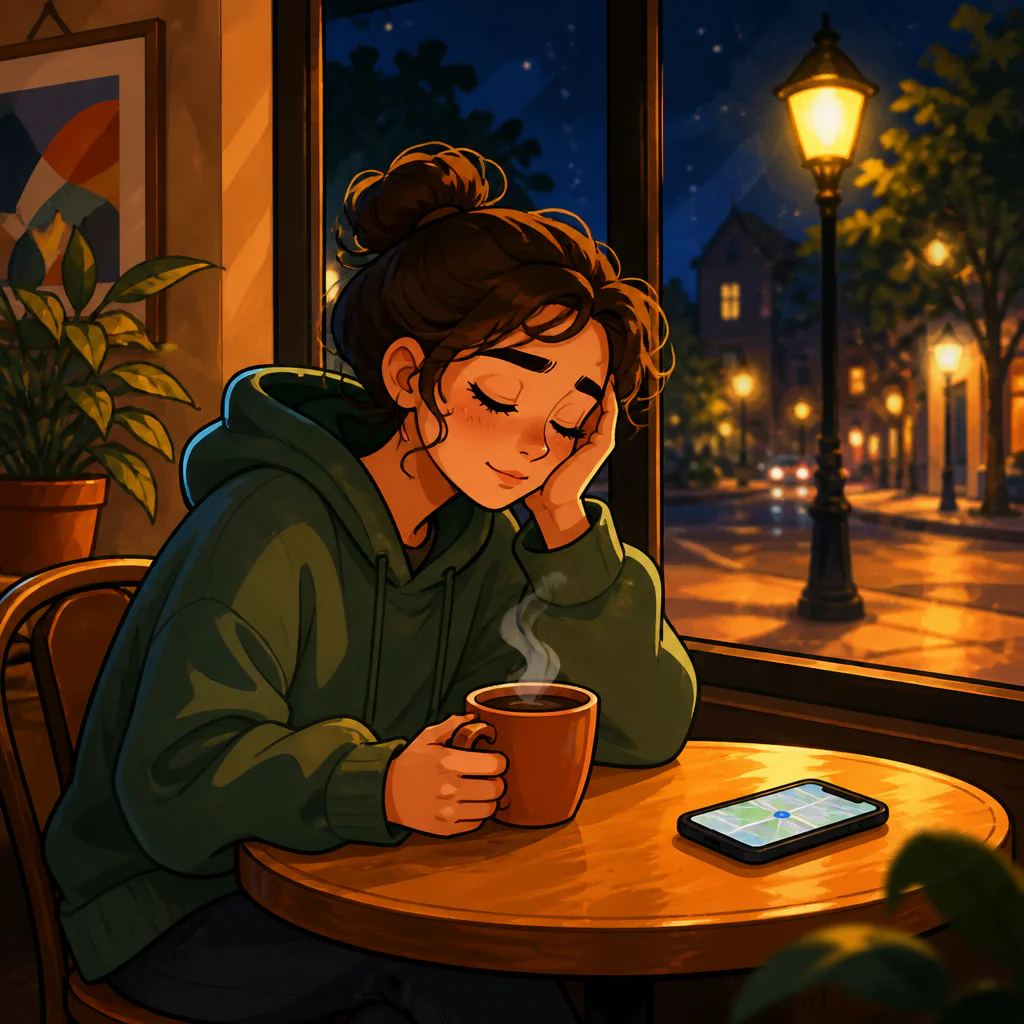
The visiting relatives get all your energy. The person who gets nothing is you. That is the mistake almost everyone makes, treating the whole trip as a performance with no breaks.
You need half an hour where no one needs anything from you. A coffee with someone who lives here, who says "oh god, I know exactly what that is like" instead of asking why you look tired. That person does not need to be family. They just need to be proof that your Japan, the one you built, still exists.
A single friend who gets it keeps the visit from swallowing you entirely.
That is what SewaYou is for. It is a map-based app that shows you real people near you who also want a new friend. When your family stream arrives, you can look at the map and see someone a few blocks away who has survived the same week, instead of handling all of it alone.
Make Japanese Friends On a Live World Map
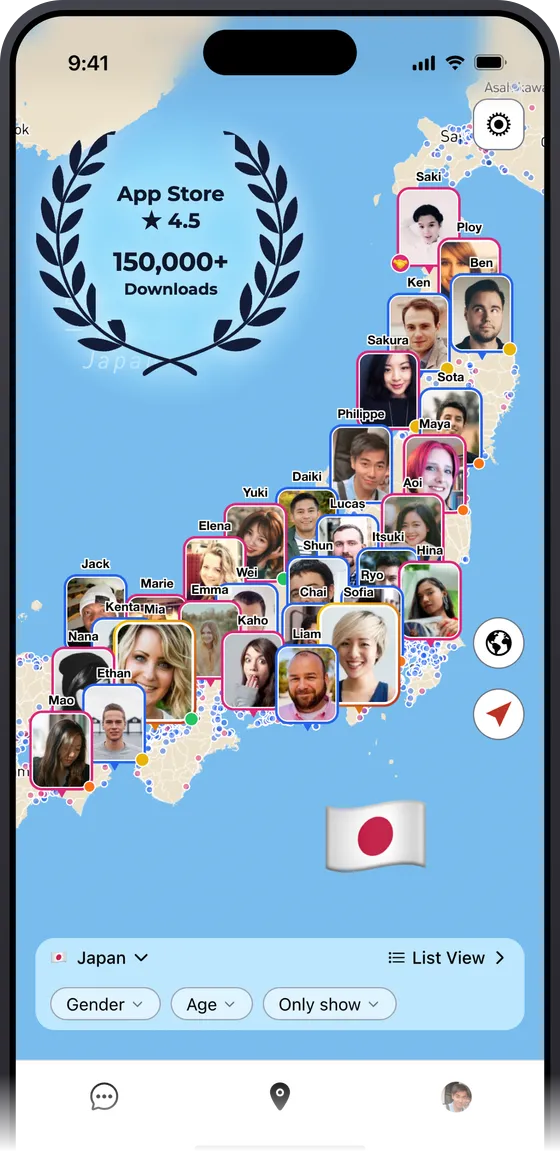
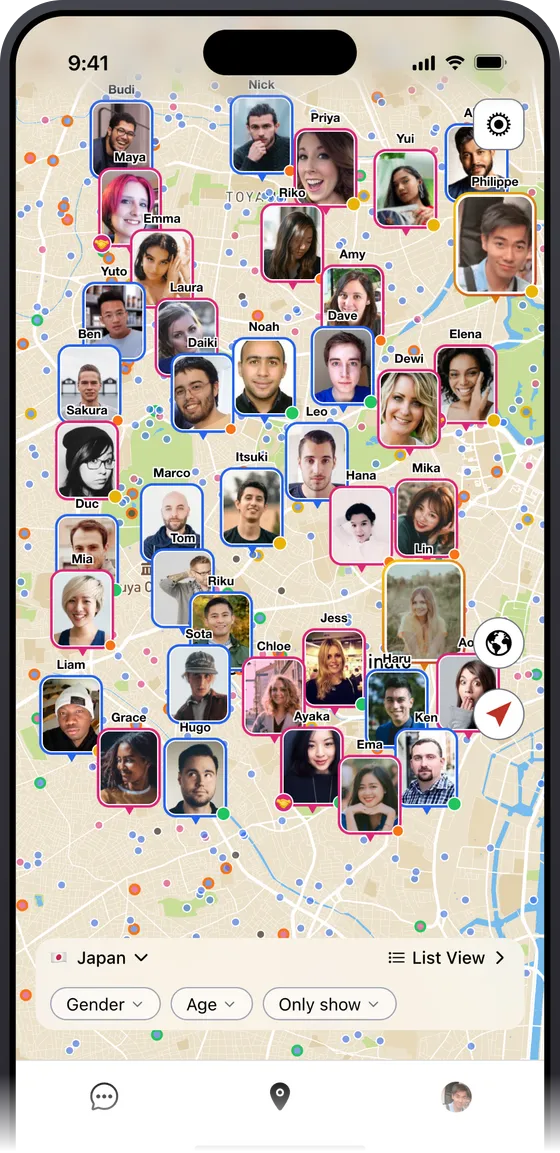
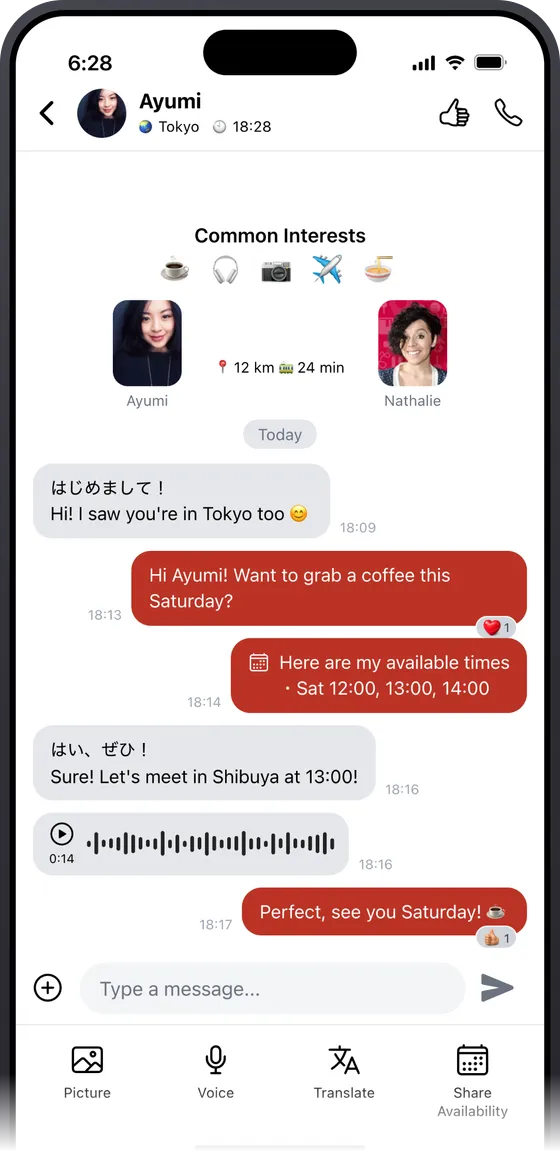


You can also explore anywhere on the world map. When you focus on your own area, the people you find are people you could actually meet tonight. Grab a coffee, vent for twenty minutes, and go back to being the perfect tour guide with your batteries recharged. A friend down the street is the difference between surviving the visit and barely surviving it.
Hosting family in Japan will never be a smooth week. There will always be a complaint about the food and a complaint about the walking. But it is a lot easier when there is one person who speaks your language, your world, and your exhaustion. And that person is probably closer than you think.
For the emotional side of living far from your home culture, You Are Allowed to Restart Your Job Hunt in Japan.


