

Ask anyone about black companies in Japan and the first thing they mention is the hours. Unpaid overtime, midnight emails, the last train home. That reputation is earned. But the hours are the part you only feel once you are already inside, already three months in, already too tired to leave.
The tells that would have actually saved you show up much earlier. They are quieter than a punishing schedule, and most of them are sitting right there in the interview room and in your first two weeks. If you learn to read them, you get to decide before you are trapped instead of after.

A good interview is a two-way conversation. A black company interview is a screening for how much you will tolerate, and it leaks that intention in small ways.
Watch how they answer plain questions. Ask about typical hours and a healthy place gives you a straight number. A toxic one gives you a speech about passion, motivation, and how "it depends on how committed you are." Ask why the role is open and notice if they cannot name a single person who left on good terms, or if they get visibly annoyed that you asked about turnover at all.
Then there is the phrase itself. When an interviewer leans in and says "we're like a family here," hear it as information, not warmth. Real families do not make you clock in. That line almost always means the boundary between your job and your life is about to be treated as optional, and that you are expected to feel guilty for wanting one.
The room talks too. On the office tour, look at the actual people. Are they slumped, silent, avoiding eye contact, flinching when a manager passes? A single grim office says more than any answer the recruiter rehearsed.
If you get past the interview, the opening days are your last cheap chance to read the place clearly, before sunk cost makes you defend it.
The biggest early tell is a simple one: the rules only appear after you start. The salary in the offer does not match the first payslip. Suddenly there is unpaid "training," mandatory weekend events, a drinking party you cannot skip, a uniform you have to buy yourself. A straight employer tells you the deal up front. A black company drip-feeds the real terms once it thinks you are committed.
Then watch how small dignities get handled. Some places will police your bathroom breaks, ration your water, or treat a glance at your phone as a moral failing. On their own these feel petty. Together they tell you the company believes it owns your whole body for the whole shift, and that is exactly the belief that later becomes eighty-hour weeks.
Turnover you can see with your own eyes is the loudest signal of all. Your predecessor left with no handover and no goodbye. Two more people quit during your first month. Nobody will say why, but the churn is the answer.

Here is the one that slips past almost everyone, because it does not feel like a warning. It feels good.
The most dangerous black companies do not announce themselves with cruelty. They wrap themselves around your entire life so gently that you mistake it for belonging. The after-work dinners that are not really optional. The group chat that never sleeps. The slow arrangement where your only friends, your only plans, and your only sense of being valued all come from the same building. That is belonging that comes with a leash.
Overtime is the symptom people name. This is the mechanism underneath it. A company that has quietly become your only world does not need to force you to stay, because you have nowhere else to go. If you want the full anatomy of how that trap closes, we wrote about it in A Black Company's Real Weapon Isn't Overwork. It's Isolation.
Here is the uncomfortable part. Every red flag above is easy to list and strangely hard to see when it is happening to you. The reason is that judging your own workplace requires a reference point, and a demanding job quietly deletes yours.
When work fills your whole week, "normal" becomes whatever your company does. Is being screamed at in front of the team just how Japanese offices run, or is it abuse? Is the unpaid Saturday standard, or is it theft? From inside, alone and exhausted, you genuinely cannot tell, because you have no reference point of your own. People who blame every discomfort on "that's just Japanese culture" and people who explain every abuse away both end up stuck, and the difference usually comes down to who they can ask.
The fix is not a forum thread from strangers. It is having a few real people in your life who know how work in Japan actually feels, who are not on your company payroll, and who will tell you plainly whether what you described is normal or a warning. We dug into this exact calibration problem in Sometimes 'That's Just Japanese Culture' Is a Lie.

The trouble is that the outside life that would protect you is hardest to build precisely when a heavy job is eating your energy. You finish a draining shift, the only people you know are the coworkers you are trying to get perspective on, and the usual apps just hand you endless chat with strangers three train lines away who flake before you ever meet.
What actually helps is a few real people near you who have no stake in your company at all. Someone in your own neighborhood you can meet for a coffee on your day off, who can hear "my manager rations our water" and react honestly, and who reminds you there is a version of your life the office does not control.
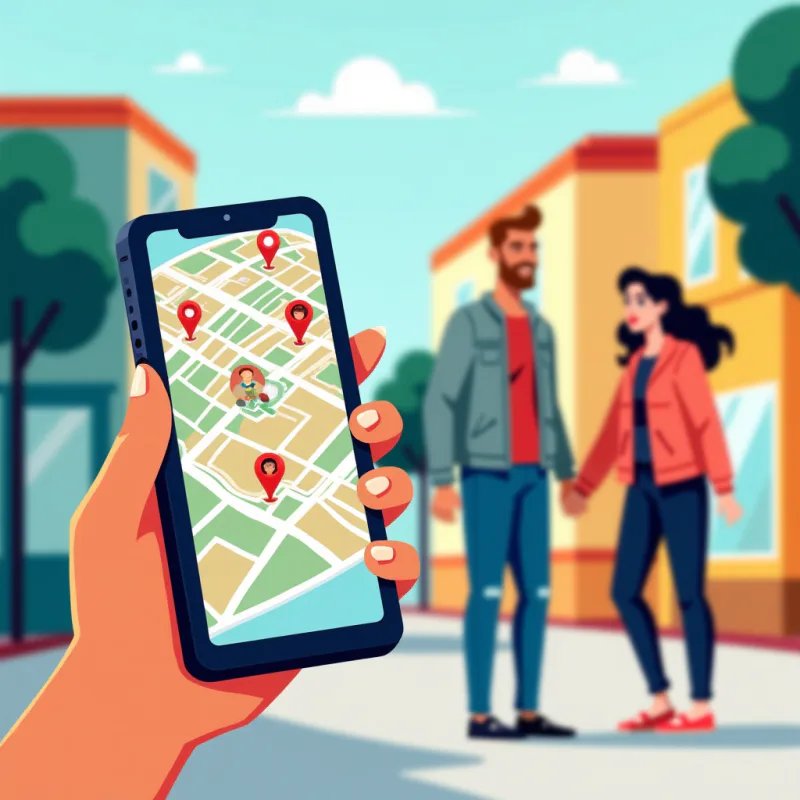
SewaYou is a map-based app that shows you real people near you who also want to meet new friends. You set the map to your own area and find locals and fellow residents who are genuinely close enough to actually meet, not a list of usernames somewhere across the metro. That is what turns an outside network from a nice idea into your actual early-warning system, and your leverage to walk if the flags turn out to be real.
Make Japanese Friends On a Live World Map
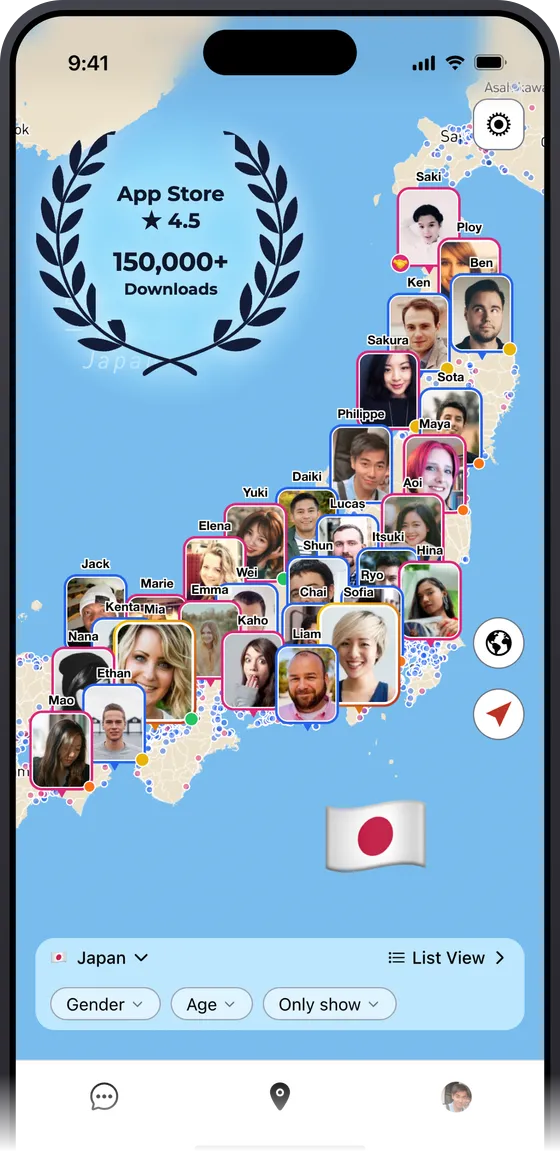
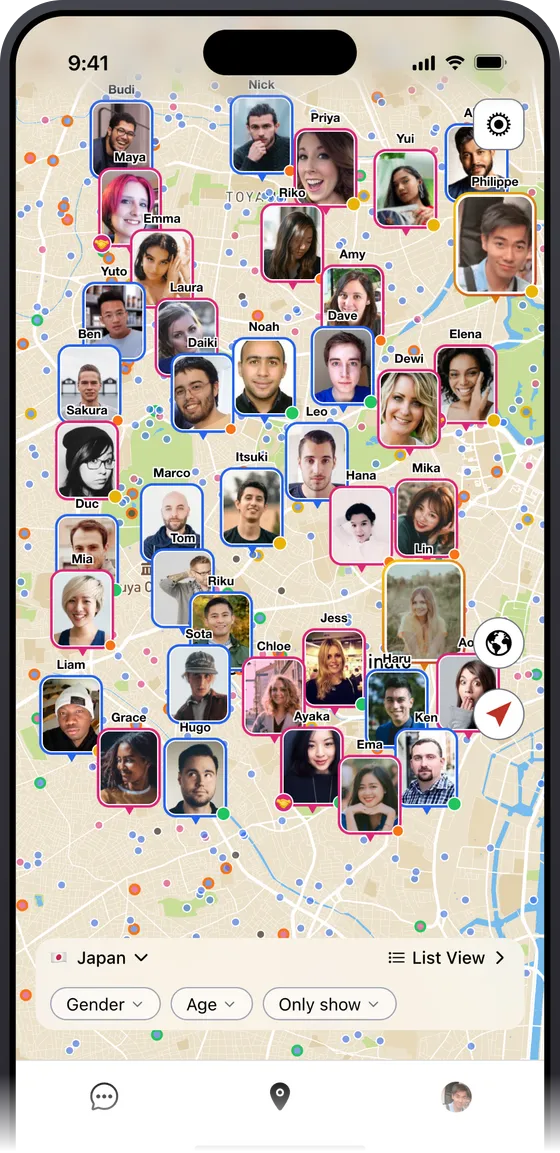
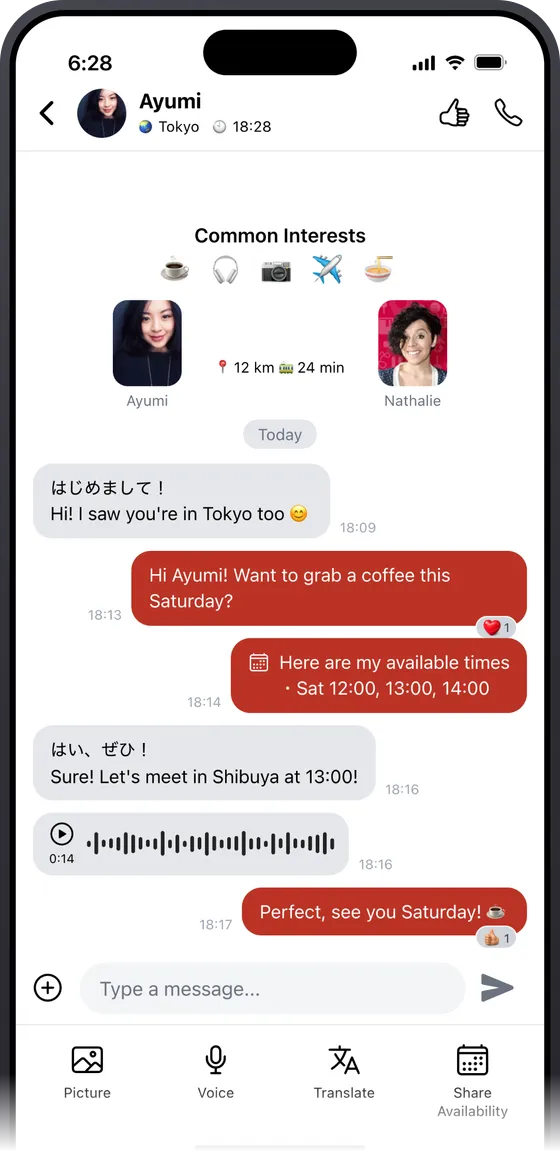


So take the interview seriously and read the first two weeks honestly. But build the part of your life the company does not get to touch, because that is what lets you both see a black company for what it is and afford to leave it. Tonight, set the map to your neighborhood, read a couple of honest profiles, and send two messages to people who will never know your manager's name.
For the moment you decide to actually go, How to Quit a Bad Job in Japan When You Feel Completely Alone.
For the pressure to treat colleagues as your whole social world, Your Coworkers in Japan Aren't Your Friends, and Forcing It Is Burning You Out.


