

I have a friend in Tokyo who spent twenty years becoming exactly what Japan says it wants. UI/UX designer, fluent in Japanese, two more languages on top of that. He codes the front end and the server side, he prototypes, he even designed logos that are still in the wild years later. He worked ten years straight at the same company in Tokyo, quit, took a two-year break, and went back to job hunting with the very resume that used to pull interviews within days.
Now that same resume gets the same polite copy-paste rejection. Sometimes within hours of applying. The insulting part is that some of the companies sending it are explicitly hiring for his exact skills. They want the person. They just do not want the date of birth sitting next to the name.
Ask the employment data in Japan what is going on and every answer points to the same variable. It is not the two-year gap. It is the number on the application.
Age gets read before the resume does.

Here is how the wall actually works once you pass a certain age. The resume arrives like a sealed envelope, and your birth date is written on the outside in big letters. The hiring team glances at the outside, makes a decision, and the contents only matter if the outside passes. When it does not, the copy-paste rejection letter exists precisely so nobody has to say the real reason out loud.
That is the quiet cruelty of the wall. It is not a competition you lose. It is a competition that ends before your first page gets read, and no one ever tells you that to your face.
The polite letter is a door that never opened.
There is a second layer that catches everyone by surprise. Taking time off in Japan is treated like a crack in your reliability. A pause that another market would call a sabbatical or a recharge reads here as a sign that something is slightly wrong with you.
So the gap becomes the socially acceptable story. The age barrier is embarrassing to admit, but a gap is a clean reason everyone can nod at. The uncomfortable pattern is that people with the same gap who are 35 still get calls back. The gap was never the problem. It was the gap plus the age.
One restart for the young, a wall for the rest.
Here is the part nobody files under employment law, because it has more to do with your life than your career. For ten years my friend's workplace was his schedule, his social weather, his reason to leave the apartment. Slides to finish, meetings to attend, a room full of people who knew his name every single day.
When the job path closes, all of that closes with it. A week that used to be packed with rooms and people becomes a week of inboxes and quietly worded refusals. That is the real exhaustion of a stalled job hunt in Japan. It is not the applications. It is the slow erasure of the daily human contact that a career was quietly supplying.
The worse the rejections got, the less he wanted to leave the house at all.
The job was the last social structure standing.

The market reads you as a number, but the rest of your life does not have to cooperate. Nobody looks at a friend and checks the date of birth on a document first. Nobody rejects a request for coffee because you were born in the wrong decade. That part of your week is yours, and it is the part a job hunt cannot touch.
So I told my friend to stop optimizing the resume for a while and start optimizing the week. The weeks he had people near him went better than the weeks he fired off twenty applications. It is almost boring how much it helps, but a hostile hiring environment punishes you much harder when you face it alone.
Rebuild the week, not just the resume.
SewaYou is a map-based app that shows real people near you who want to meet new friends. There is no resume upload. There is no age filter. There is no hiring manager deciding if you fit the profile of the year. You open a map of the neighborhoods you actually live in, and you find the people who will share a walk, a coffee, or an evening when the highlight of the day was not a rejection email.

Make Japanese Friends On a Live World Map
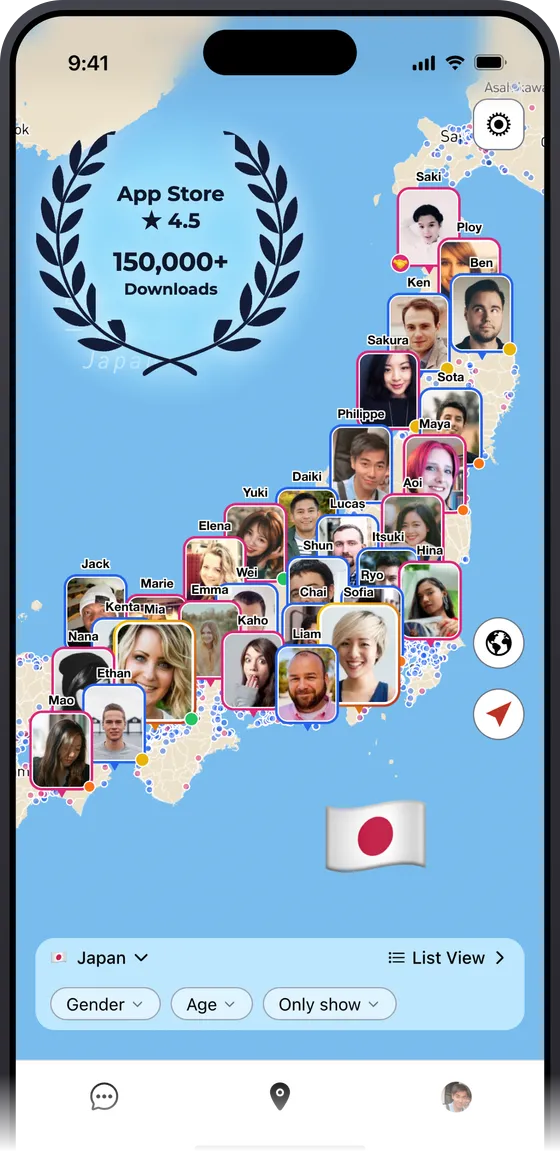
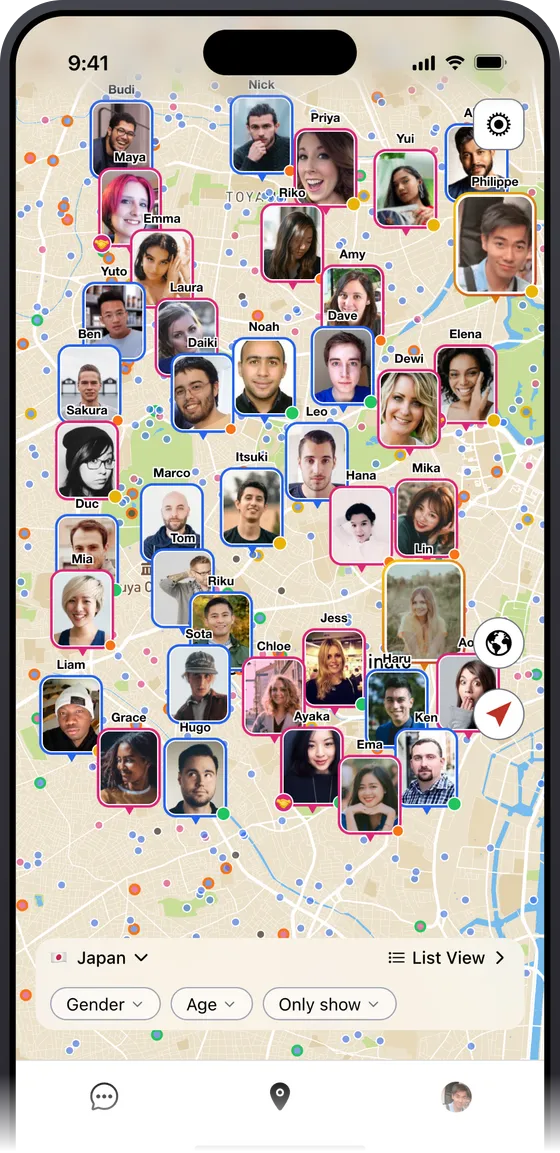
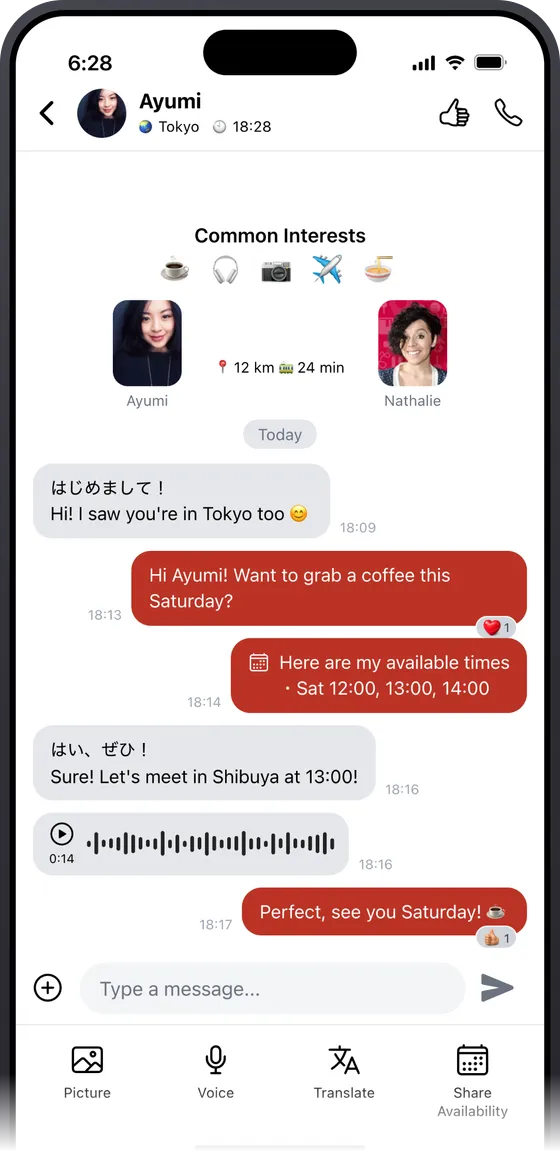


The honest advice I gave him is simple. The career wall is real and it will not move quickly, but the rest of your life does not have to wait on it. While the search crawls, the map hands back the thing the job used to supply. Eye contact, conversation, a person who does not grade you on your birth date.
The map does not ask your age.
SewaYou is where you go when the job market has stopped looking at you. Your evenings still belong to you, and there are people two stations away who want company this week, not a line on a resume. Sign up, set the map to your area, and take back the part of your life a rejection letter was never meant to own.


